
Austria Expels Russian Spies From Embassy

Austria expels three Russian diplomats accused of espionage using antenna arrays at Vienna embassy for illegal data collection activities.
Austria has taken decisive action against alleged Russian espionage activities by expelling three staff members from the Russian embassy in Vienna. The Austrian government discovered that a substantial network of surveillance equipment, described as a "forest of antennae," was being operated at the diplomatic mission for purposes of illicit data collection. This discovery marks another significant escalation in tensions between Vienna and Moscow over intelligence gathering operations conducted on Austrian soil.
Austrian Foreign Minister Beate Meinl-Reisinger made the announcement on Monday, emphasizing the severity of the situation and the government's commitment to protecting national security. "It is unacceptable that diplomatic immunity be used to commit espionage," Meinl-Reisinger stated firmly, underscoring Austria's stance that immunity protections cannot shield nations from engaging in illegal surveillance activities. The foreign minister's remarks reflected growing frustration with repeated Russian intelligence operations targeting Austria and its citizens.
The three expelled embassy staff members had already departed Austria by the time of the official announcement, demonstrating the swift execution of the government's security protocols. This latest action brings the total number of Russian diplomats expelled from Vienna since 2020 to 14 individuals, illustrating an increasingly contentious pattern of Russian diplomatic expulsions from the Austrian capital. The repeated nature of these incidents suggests systemic intelligence operations rather than isolated incidents.
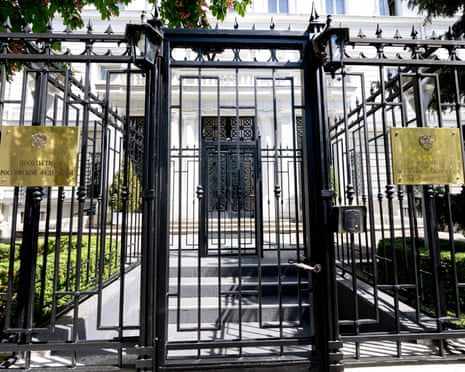
Vienna has long held a strategic position in European intelligence operations, earning its reputation as "Europe's espionage capital" since the Cold War era. The city's location at the intersection of Eastern and Western Europe, combined with its historical significance as a neutral ground for diplomatic negotiations, has made it an attractive hub for intelligence agencies worldwide. Both Russian and Western intelligence services have maintained significant operations in the Austrian capital, making Vienna a critical battleground for intelligence gathering activities.
The discovery of the antenna array represents a particularly brazen approach to intelligence collection within the diplomatic compound. Rather than employing more subtle espionage methods, Russian operatives apparently constructed an extensive surveillance infrastructure directly at the embassy premises, confident in the protections offered by diplomatic immunity. This approach suggests either confidence in Vienna's tolerance levels or a deliberate test of Austrian resolve in confronting Russian intelligence operations.
The use of electromagnetic surveillance equipment allows intelligence agencies to intercept communications, monitor electronic transmissions, and gather signals intelligence across a wide geographical area. The "forest of antennae" description implies a sophisticated, large-scale operation designed to capture substantial amounts of data from Austrian governmental, military, and commercial targets. Such operations typically require significant technical expertise and substantial financial investment to establish and maintain.

This expulsion decision reflects Austria's delicate balancing act between maintaining diplomatic relations with Russia while simultaneously protecting its national security interests. Austria's position as a traditionally neutral country has required careful navigation of great power tensions, but repeated Russian espionage activities have increasingly tested Vienna's patience and commitment to neutrality. The government's willingness to expel diplomats signals a hardening stance against Russian intelligence operations.
The pattern of escalating expulsions since 2020 suggests a coordinated response to growing evidence of Russian intelligence activities in Austria. Each expulsion has come after specific incidents of detected espionage or suspicious diplomatic conduct, accumulating into a broader security concern for Austrian authorities. The government has demonstrated increasing confidence in publicly confronting Russian intelligence operations, moving away from quiet diplomatic channels toward more public accountability measures.
International espionage remains a persistent challenge for Austrian security services, requiring constant vigilance and sophisticated detection capabilities. The successful identification of the antenna array demonstrates that Austrian intelligence agencies possess the technical expertise to detect such operations and the political will to respond publicly. This capability and willingness serve as important deterrents against future Russian intelligence activities in Austria.
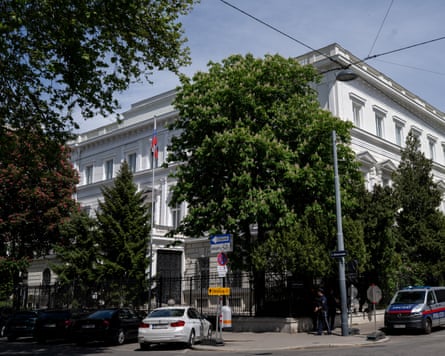
The broader context of Russian-Western relations has intensified scrutiny of Russian diplomatic missions across Europe. Following geopolitical tensions and sanctions regimes, Western nations have become increasingly aggressive in identifying and expelling Russian intelligence operatives disguised as diplomats. Austria's actions align with similar moves by other European countries to reduce Russian intelligence presence on their territories.
Austria's response demonstrates that nations are no longer willing to tolerate blatant intelligence operations conducted from diplomatic facilities, regardless of immunity protections. The clear public articulation of the espionage activities and the swift response sends a message both to Russia and to other potential intelligence actors that Austrian security will not be compromised. The government's transparency about the antenna array suggests confidence in the evidence and determination to maintain public support for security measures.
Looking forward, this expulsion may prompt Russian authorities to reassess their intelligence operations in Austria and consider whether their current approach yields sufficient benefits relative to diplomatic costs. However, historical patterns suggest that Russian intelligence services typically continue operations in priority locations despite diplomatic setbacks. The strategic importance of Vienna as an intelligence hub means that both Russian and other intelligence services will likely continue operating there despite periodic expulsions.

The incident underscores the persistent reality that diplomatic relations and intelligence operations operate on parallel tracks, with nations simultaneously maintaining official diplomatic channels while conducting covert intelligence activities. Austria's willingness to publicly confront Russian espionage while maintaining basic diplomatic relations reflects the complex nature of modern international relations. The balance between security imperatives and diplomatic stability remains one of the central challenges for Austria's foreign policy.
Quelle: The Guardian


