
Devastating Air Strikes Ravage Tehran, Unleashing Black Rain and Unprecedented Pollution

Devastating air strikes have hit Iran's oil infrastructure, causing widespread environmental damage and toxic black rain across Tehran. Scientists warn of the unprecedented scale of pollution.
In the aftermath of the recent US-Israeli military strikes against Iran, the nation's capital of Tehran has been left reeling from the devastating environmental impact. Air raids have targeted and damaged at least four major oil facilities, unleashing a toxic deluge that has blanketed the city in an ominous black rain.
Unprecedented Pollution Levels
According to scientists and environmental experts, the scale of the pollution is unprecedented, with air quality indexes reaching alarming levels that far exceed any previous records. The black rain has coated surfaces across the city, leaving a grim and foreboding residue that poses grave health risks to the population.
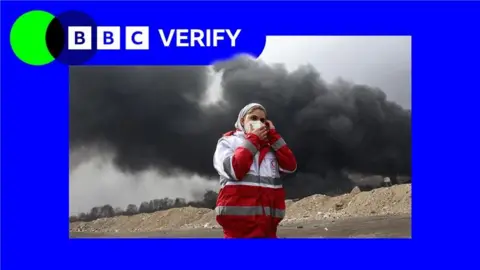
"We've never seen anything like this before," said Dr. Amir Mansouri, a leading environmental researcher at Tehran University. "The sheer volume of pollutants and particulates in the air is staggering, far beyond what we can typically manage during our worst smog events. This is an environmental catastrophe of unprecedented scale."
Extensive Damage to Oil Infrastructure
The air strikes have severely damaged at least four major oil refineries and storage facilities around Tehran, unleashing torrents of crude oil, petrochemicals, and other hazardous substances into the surrounding environment. The resulting spills and fires have sent plumes of thick, black smoke billowing across the city, contributing to the choking levels of pollution.
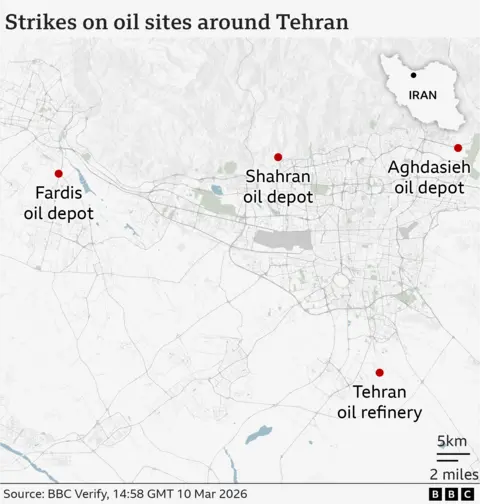
"The sheer scale of the damage to our energy infrastructure is staggering," said Iranian Oil Minister Bijan Namdar Zangeneh. "These attacks have crippled our ability to refine and distribute petroleum products, with severe consequences for our economy and the well-being of our citizens."
Public Health Concerns and Evacuation Efforts
Authorities in Tehran have urged residents to remain indoors and avoid unnecessary exposure to the toxic air, which has been linked to a range of respiratory illnesses and other health problems. Emergency services are working around the clock to provide medical care and support, while also coordinating large-scale evacuation efforts to move vulnerable populations to safer areas.
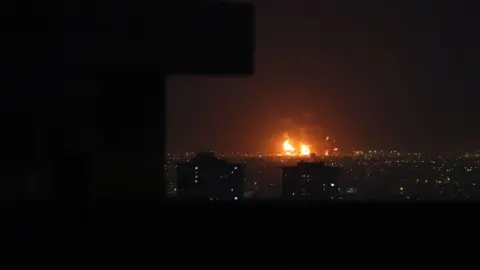
"The situation is dire, and we are doing everything in our power to protect the people of Tehran," said Tehran Mayor Piruz Hanachi. "But the scale of this environmental disaster is simply overwhelming, and we may need significant international assistance to manage the fallout and mitigate the long-term consequences."
Quelle: BBC News


