
SpaceX Shifts Focus Away From Falcon 9

SpaceX's legendary Falcon 9 rocket sees declining launch frequency as company prioritizes Starship development for Moon and Mars missions.
The space industry is witnessing a significant strategic pivot as SpaceX begins to gradually reduce its reliance on the Falcon 9 rocket, the workhorse that has defined the company's operational success over the past decade. While retirement discussions remain premature, industry analysts and space sector observers have detected a notable cooling in launch cadence for this once-dominant vehicle. This shift, however, does not reflect any technical inadequacies or operational challenges with the Falcon 9 rocket itself, but rather represents a deliberate corporate strategy to reallocate resources and attention toward the development and deployment of SpaceX's next-generation platform.
The reasons behind this transition are unmistakable and directly tied to SpaceX's ambitious long-term vision for space exploration and commercial operations. The company has set its sights on utilizing the vastly more capable Starship rocket as the foundation for transformative missions that dwarf anything achievable with current-generation launch vehicles. These initiatives include ambitious plans for crewed expeditions to the Moon, eventual human missions to Mars, revolutionary orbital data centers positioned in space, and the next iteration of Starlink satellite internet connectivity that promises even greater capabilities than the current constellation.
Understanding the scale of this transition requires examining SpaceX's launch statistics over recent years. During 2025, the company executed an impressive 165 launches utilizing the Falcon 9 rocket, with no Falcon Heavy missions conducted during that period. This represented a substantial increase from the previous year's performance, when SpaceX conducted a combined total of 134 Falcon 9 and Falcon Heavy launches throughout 2024. The year 2023 proved even quieter, with only 96 total Falcon-class rocket flights completing their missions. These numbers demonstrate SpaceX's capacity to dramatically scale operations when conditions and market demand align.

Looking ahead to 2026, SpaceX leadership has provided explicit guidance regarding the company's launch expectations and strategic direction. SpaceX president Gwynne Shotwell revealed in an interview with Time magazine earlier in the year that the company anticipates conducting between 140 and 145 Falcon rocket launches during 2026, marking a noticeable decrease from the 165 launches achieved in 2025. Shotwell's comments were remarkably candid about the reasoning behind this reduction, stating directly: "This year we'll still launch a lot, but not as much, and then we'll tail off our launches as Starship is coming online." This transparent communication from company leadership underscores that the decline is entirely intentional and strategically choreographed.
The implications of this transition extend far beyond simple launch numbers and reflect fundamental changes in how SpaceX approaches its business model and technological development. Starship development represents an enormous engineering and financial undertaking that demands intensive focus from the company's technical teams. By gradually reducing Falcon 9 operations, SpaceX can concentrate its considerable expertise and resources on perfecting the Starship platform, conducting the necessary test flights, and achieving the operational reliability required for deep space missions and commercial applications. This measured approach to transition planning demonstrates sophisticated project management and risk assessment from the company's leadership.
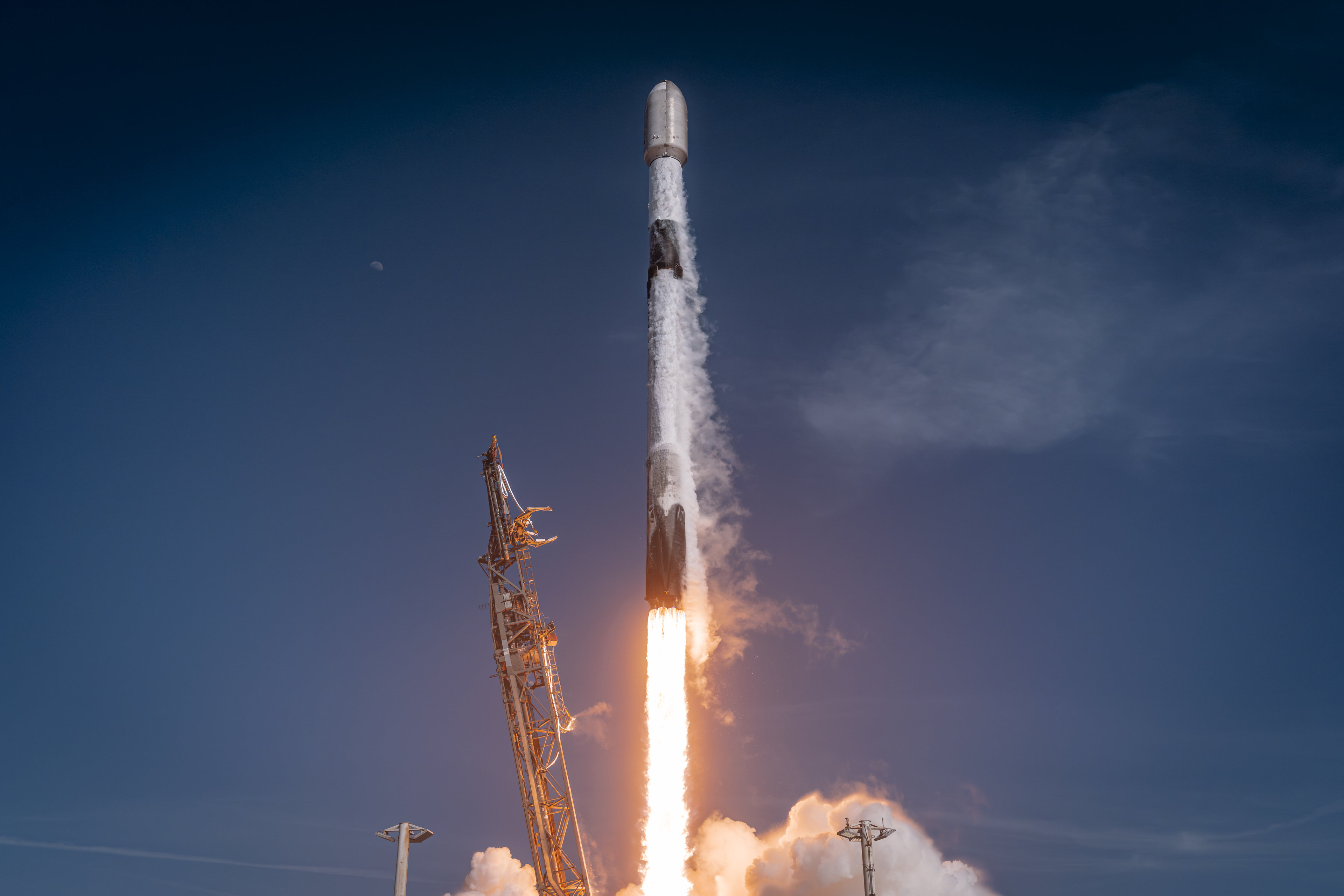
The Falcon 9's track record speaks volumes about its capabilities and reliability as a space launch system. Over its operational history, the rocket has become the workhorse of the commercial space industry, launching everything from cargo resupply missions to the International Space Station to commercial satellites, government payloads, and SpaceX's own expanding Starlink constellation. The reusability features incorporated into Falcon 9's design revolutionized the launch industry by dramatically reducing operational costs and enabling the high-cadence flight rates that transformed SpaceX into a dominant force within the commercial space sector. The rocket's proven reliability and track record of successful missions mean that customers and launch providers can rely on it with confidence for many years to come.
Despite the strategic shift away from Falcon 9 launches, SpaceX continues to maintain the rocket as a critical component of its portfolio for specific applications where it remains ideal. The company has no plans to completely discontinue Falcon 9 operations; rather, the vehicle will continue serving customers requiring reliable space access for decades to come. The gradual reduction in launch frequency allows existing customers to continue accessing SpaceX's launch services while enabling the company to make a measured transition toward Starship-based operations. This approach minimizes disruption to customers and market participants who depend on regular launch opportunities.

The broader context of this transition reveals important trends within the commercial space industry. As launch providers mature and their technological capabilities expand, strategic decisions about which platforms to emphasize become increasingly important for competitive positioning and long-term viability. SpaceX's decision to gradually transition from Falcon 9 to Starship reflects confidence in the newer platform's eventual capabilities and reliability. The company's investment in Starship development represents a bet-the-company commitment to next-generation space access, reflecting founder Elon Musk's vision of making humanity multiplanetary through advanced rocket technology and rapid reusability innovations.
Industry observers and space sector analysts recognize that SpaceX's measured approach to this transition balances multiple competing priorities effectively. The company must continue generating revenue from existing Falcon 9 operations to fund Starship development while simultaneously validating the newer rocket through an extensive testing and operational qualification process. By maintaining a controlled descent in Falcon 9 launch rates rather than precipitous decline, SpaceX protects customer relationships and revenue streams while channeling necessary resources toward its next-generation capabilities. This strategic balance represents mature industrial planning from a company that has itself revolutionized space launch economics.
The transition from Falcon 9 to Starship also signals broader changes coming to space industry economics and capabilities. Starship's significantly larger payload capacity, reusability features, and long-term potential for rapid turnaround operations promise to unlock new possibilities for space-based commerce, scientific research, and exploration. The platform's design specifically targets the requirements for Mars missions and lunar operations that remain central to SpaceX's corporate vision. By strategically shifting resources toward Starship while maintaining Falcon 9 operations, SpaceX positions itself to capture emerging market opportunities while preserving critical revenue streams from established services.
As SpaceX executes this transition, the company continues to demonstrate the sophisticated operational planning and strategic thinking that has characterized its rise from startup to industry leader. The Falcon 9's gradual shift from the company's primary launch platform to secondary role represents not retirement but evolution, reflecting the dynamic nature of the space industry and SpaceX's commitment to continuous technological advancement. While the decline in Falcon 9 launches may appear modest in the near term, it signals the beginning of a fundamental restructuring of SpaceX's operational capabilities around the transformative potential of the Starship platform and the revolutionary missions it will enable for decades to come.
Quelle: Ars Technica


