
Third British Hantavirus Case Linked to Cruise Ship

A third British national has been diagnosed with suspected hantavirus following a cruise ship outbreak. Two others are hospitalized in the Netherlands and South Africa.
Health authorities have confirmed that a third British national has contracted suspected hantavirus in connection with an ongoing cruise ship outbreak, marking another concerning development in what has become an international health incident. The UK Health Security Agency (UKHSA) announced the diagnosis as investigations continue into the source and spread of the virus among passengers and crew members who were aboard the affected vessel.
The newly diagnosed patient remains on the remote south Atlantic island of Tristan da Cunha, according to statements from health officials monitoring the situation. This location is among the most isolated inhabited archipelagos in the world, situated roughly midway between South Africa and South America, making medical logistics and response efforts particularly challenging. The patient's continued presence on the island has raised questions about healthcare capacity and evacuation protocols for serious viral infections in remote locations.
The UKHSA had previously confirmed two cases of hantavirus among British nationals who are now receiving treatment in major medical facilities across Europe and Africa. One patient is hospitalized in the Netherlands, while another is receiving care in South Africa, both countries' healthcare systems now engaged in managing cases linked to the maritime outbreak. These geographic distributions underscore the widespread nature of exposure among cruise ship passengers during the journey.
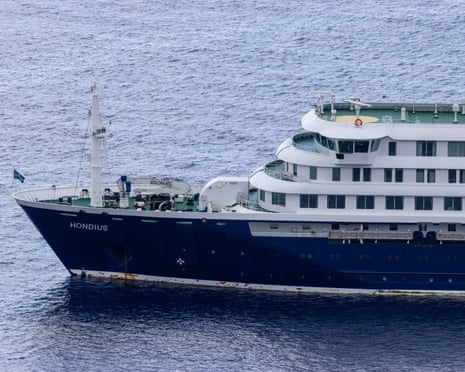
The hantavirus outbreak represents a significant public health concern given the virus's potential severity and the challenges posed by its transmission in confined environments such as cruise ships. Hantavirus is typically transmitted to humans through contact with infected rodent droppings, urine, or saliva, though the exact source aboard the vessel remains under investigation by epidemiologists and public health authorities. The close quarters and shared ventilation systems on cruise ships create ideal conditions for respiratory virus transmission, complicating containment efforts.
Officials have emphasized that while hantavirus infection can be serious, cases can be managed effectively when diagnosed early and treated appropriately in hospital settings. The fact that affected individuals have been identified and hospitalized suggests that surveillance and response protocols aboard the cruise line operated as intended. Medical teams at each location are providing specialized care tailored to treating viral hemorrhagic fever symptoms and complications.
The cruise ship itself has since altered its itinerary, with the vessel now heading toward Tenerife in the Canary Islands rather than continuing with its original scheduled route. This course adjustment reflects the maritime industry's commitment to preventing further spread and responding to health concerns raised by port authorities and health agencies in affected regions. The vessel's movement and the status of other passengers and crew members remain under close scrutiny by international health organizations.

The emergence of hantavirus cases on cruise ships highlights the vulnerability of travelers in maritime settings and the importance of robust disease surveillance systems at sea. Cruise ship operations involve thousands of passengers and crew members from diverse geographical origins, creating potential vectors for disease transmission across international boundaries. Health authorities worldwide have been alerted to monitor for additional cases among individuals who traveled on the affected vessel or had contact with confirmed patients.
Tristan da Cunha, where the third British patient remains, has a population of only a few hundred residents and limited medical infrastructure compared to major urban centers. The island's isolation, while protective against many external health threats, can complicate the management of serious infectious diseases requiring specialized treatment and equipment. Authorities must balance the patient's medical needs with biosafety protocols to protect the island's vulnerable population from potential exposure.
Epidemiological investigations are ongoing to determine the exact source of the hantavirus aboard the cruise ship and to identify all potentially exposed individuals. Contact tracing efforts have expanded to include passengers who shared cabins or dining areas with confirmed cases, as well as crew members who may have had exposure during their duties. Public health agencies in multiple countries are coordinating their response to ensure comprehensive tracking and monitoring of all at-risk individuals.
The international health response to this outbreak demonstrates the complex coordination required when infectious diseases cross borders aboard vessels. Maritime law and international health regulations establish frameworks for reporting and managing disease outbreaks at sea, with port authorities having authority to impose quarantine measures or restrict vessel movements. The cooperation between health agencies in the United Kingdom, Netherlands, South Africa, and other nations has been critical in managing cases and preventing further spread.
Looking forward, this incident may prompt cruise lines and maritime operators to review their sanitation protocols, particularly regarding rodent control and ventilation systems that could harbor or transmit infectious agents. The experience gained from this outbreak will inform improvements to disease detection and response procedures on ships operating in international waters. Public health experts continue to emphasize the importance of maintaining vigilance regarding emerging infectious diseases in travel-associated settings where rapid transmission is possible.
Authorities continue to monitor the situation closely and have urged anyone who traveled on the affected cruise ship to be alert for symptoms of hantavirus infection, including fever, muscle aches, headache, and potentially more severe respiratory or hemorrhagic symptoms. The timeline from exposure to symptom onset typically ranges from one to eight weeks, meaning additional cases could potentially emerge as the incubation period elapses for exposed individuals. Health agencies have established reporting mechanisms for suspected cases and are prepared to mobilize rapid response teams if necessary.
This outbreak underscores the persistent threat posed by emerging infectious diseases in an increasingly interconnected world where global travel is commonplace. Cruise ships, with their diverse passenger populations and international destinations, represent unique epidemiological challenges for public health authorities. The response to this hantavirus outbreak will likely shape policies and procedures in the cruise industry for years to come, potentially leading to enhanced screening and health protocols for maritime travelers.
Quelle: The Guardian

