
Hamilton Demands Driver Voice in F1 Rule-Making Process

Lewis Hamilton calls for drivers to have greater involvement in Formula 1 regulations. Seven-time champion argues for seat at table alongside FIA and teams.
Seven-time world champion Lewis Hamilton has made a compelling case for drivers to have greater involvement in shaping the future direction of Formula One, arguing that their voices have been systematically overlooked in crucial decision-making processes. Speaking ahead of this weekend's Miami Grand Prix, Hamilton emphasized that drivers deserve a seat at the table when discussing regulatory changes that directly impact their safety, competitiveness, and the overall spectacle of the sport. His comments reflect growing frustration within the paddock regarding how rule modifications are determined and implemented without sufficient consultation from those who actually compete on track.
The British racing legend has long been an advocate for meaningful change in how Formula One governs itself, and his latest remarks underscore a persistent tension between the sport's governing bodies and the athletes who drive its cars. Hamilton stressed that drivers should be consulted alongside key stakeholders including team owners, engineers, and the FIA in discussions about regulatory direction. This collaborative approach, he argues, would lead to more balanced and effective rule changes that consider the practical realities of racing rather than merely theoretical concepts developed in boardrooms far removed from the track.
"It needs to change," Hamilton stated emphatically, highlighting his conviction that the current system of rule-making is fundamentally broken. His assessment carries particular weight given his unprecedented success in the sport and his reputation as a thoughtful analyst of Formula One's complex mechanics and governance structures. The seven-time champion's call for driver involvement isn't merely about ego or influence; it's rooted in the understanding that those who push racing machinery to its limits possess invaluable insights into what works and what doesn't from a practical standpoint.

Hamilton's perspective has found considerable support throughout the paddock, with widespread agreement that F1 regulations need reform. Current world champion Lando Norris has echoed similar sentiments, acknowledging that drivers have legitimate grievances about how rule changes are developed and communicated. This cross-driver consensus suggests that the issue isn't a matter of one or two disgruntled competitors but rather a systemic problem that affects the entire grid. When drivers of different nationalities, competing for rival teams, and at varying career stages unite on an issue, it demonstrates the legitimacy of their concerns.
The timing of Hamilton's comments is particularly significant, as they come on the eve of the Miami Grand Prix weekend, where modified regulations are set to take effect for the first time following substantial driver feedback about this season's new rules. The FIA and Formula One management have made adjustments to address some of the concerns raised by competitors, representing an acknowledgment that changes were necessary. However, Hamilton's broader point suggests that these reactive modifications, while welcome, don't address the fundamental structural problem of excluding drivers from proactive decision-making processes.
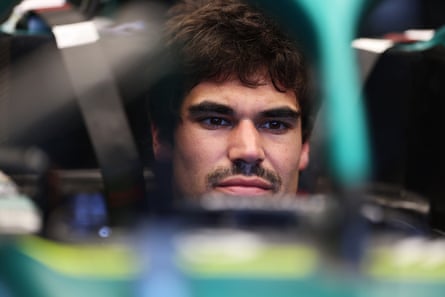
Aston Martin driver Lance Stroll, representing one of the sport's leading teams owned by his father Lawrence Stroll, has gone even further in his criticism, describing the current regulatory framework as "fundamentally flawed." Stroll's assessment aligns with Hamilton's position while adding weight from the perspective of someone directly involved in team management and strategy. His comments suggest that the problems extend beyond individual driver preferences to encompass broader structural and philosophical issues with how Formula One approaches governance.
The call for driver representation in F1 governance comes at a time when the sport is grappling with multiple regulatory challenges and attempting to maintain competitive balance while ensuring safety and entertainment value. Formula One has experienced significant rule changes in recent years, with varying degrees of success in achieving stated objectives. The 2022 regulation shift aimed to promote closer racing and improve the sport's sustainability, yet it has generated considerable debate about whether these goals have been adequately realized. Similarly, this year's new regulations were introduced with ambitious targets, but early feedback from drivers and teams indicated substantial dissatisfaction with certain provisions.
Hamilton's advocacy for driver involvement in rule-making reflects a broader democratic principle that stakeholders affected by rules should have input into their creation. In many professional sports, athlete unions and player associations have significant negotiating power in discussions about rule changes, equipment specifications, and competitive format adjustments. Formula One, historically, has operated with far less formal structures for driver input, relying instead on individual relationships between senior drivers and FIA officials, or ad-hoc feedback mechanisms that lack systematic organization and institutional permanence.
The Miami Grand Prix setting for these remarks adds additional context, as Miami has become one of Formula One's flagship races, drawing substantial global attention and embodying the sport's ambitions for expansion and modernization. The fact that Hamilton chose this high-profile platform to advocate for structural governance changes underscores the importance he places on the issue. His willingness to speak out clearly on such matters, despite potential friction with governing bodies, reflects his confidence and his commitment to what he perceives as necessary reform.
The broader context of Hamilton's comments includes the ongoing evolution of Formula One's regulatory landscape and the constant tension between innovation, safety, competition, and spectacle. Rule changes in Formula One rarely satisfy all stakeholders simultaneously, as regulations designed to enhance one aspect of the sport often create unintended consequences or trade-offs in other areas. By incorporating driver perspectives from the outset of regulatory discussions, the FIA and Formula One management might develop more holistic approaches that better account for practical racing dynamics and driver feedback.
Industry observers and motorsport analysts have noted that Hamilton's influence extends beyond his statistical achievements in the sport; his advocacy for various causes, both within racing and in broader society, has demonstrated his capacity to shape public discourse and institutional responses. His backing for greater driver involvement in governance carries the potential to catalyze meaningful structural changes in how Formula One operates. Whether the FIA and Formula One management respond positively to these calls for reform remains to be seen, but the unified driver perspective presented by Hamilton and others suggests that ignoring these concerns may become increasingly difficult politically.
As the Miami Grand Prix weekend unfolds with the new rule modifications in place, all eyes will be on how these changes function in competitive conditions and whether they adequately address the concerns previously raised by drivers. Regardless of this weekend's outcomes, Hamilton's call for greater driver involvement in future regulatory discussions has injected an important conversation into Formula One's governance framework. Whether through formal driver committees, enhanced consultation mechanisms, or other institutional innovations, the principle that drivers should have input into rules affecting their sport and safety appears to be gaining momentum within the paddock and beyond.


