
Trump Eases Sanctions on Russian Oil: Examining the Potential Impact

Explores the motivations behind Trump's decision to ease sanctions on Russian oil and analyzes its potential implications for Putin's regime and the global energy market.
The Trump administration's recent decision to ease sanctions on Russian oil exports has sparked significant debate and controversy. While the US government has stated that this move will only provide a limited financial boost to President Vladimir Putin's regime, the potential ramifications of this policy shift extend far beyond the immediate economic impact.
To understand the context and implications of this decision, it's crucial to examine the broader geopolitical landscape and the strategic considerations at play. Russia's role as a major global energy producer has long been a source of both economic and political leverage, and the sanctions imposed in the aftermath of the 2014 annexation of Crimea were intended to limit the Kremlin's ability to fund its military operations and foreign policy objectives.
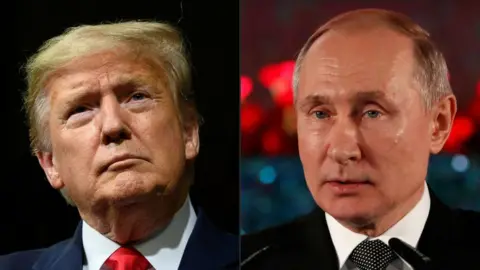
However, the Trump administration's latest move suggests a shift in priorities, potentially prioritizing short-term economic factors over the long-term strategic implications of easing pressure on the Russian government. Analysts have noted that the decision could provide a financial lifeline to Putin, allowing him to allocate more resources to his military and intelligence apparatus, as well as his efforts to influence global affairs.
At the same time, the decision also raises questions about the broader US foreign policy towards Russia and the administration's willingness to maintain a consistent and principled stance on issues such as human rights, democracy, and territorial integrity. The move could be seen as a concession to Russian interests and may undermine the unity and effectiveness of the international sanctions regime that has been in place since 2014.
Nonetheless, the administration has argued that the limited nature of the sanctions relief and the continued maintenance of other punitive measures will ensure that the Kremlin does not reap significant financial benefits. They have also suggested that the decision is intended to provide some relief to European allies who have been impacted by the sanctions, particularly in the energy sector.
As the debate surrounding this issue continues, it will be critical for policymakers and analysts to closely monitor the real-world impact of the sanctions easing, both in terms of its economic consequences and its potential geopolitical ramifications. The delicate balance between maintaining pressure on Russia and mitigating the collateral damage to US and allied interests will undoubtedly remain a central focus of the ongoing foreign policy discussion.
Fuente: BBC News


