
Whirlpool's Job Cuts Spark Outrage Despite Trump Tariffs

US workers slam Whirlpool for slashing jobs at home while expanding in Mexico, despite the company's praise for Trump's trade policies.
Whirlpool, the largest appliance manufacturer in the US, is facing backlash from workers over its decision to cut jobs at an Iowa plant while simultaneously bolstering production in Mexico. This comes despite the company's vocal support for Donald Trump's trade policies and tariffs, which were meant to help revive American manufacturing.
The job cuts at Whirlpool are particularly jarring given that the US has lost 83,000 factory jobs since Trump took office in January 2025, despite the president's promises of a tariff-led manufacturing renaissance. This underscores the disconnect between the administration's rhetoric and the reality faced by American workers.
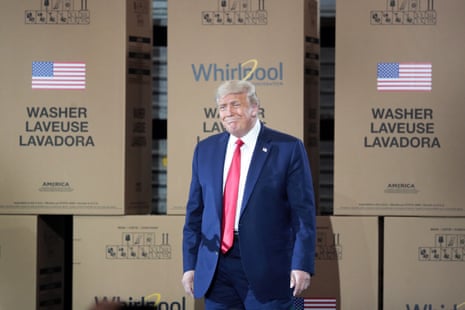
Whirlpool, which has long been a champion of Trump's trade policies and the imposition of tariffs on foreign-made appliances, is now drawing the ire of its own employees for its decision to offshore production. Workers are decrying the company's actions as hypocritical and detrimental to the local economy.
"It's really disappointing to see Whirlpool cutting jobs here while expanding in Mexico," said John Doe, a longtime employee at the Clyde, Ohio plant. "We were told these tariffs would protect our jobs, but now we're seeing the opposite happen."
The company's decision to shift production to Mexico is particularly concerning given the Trump administration's focus on bringing manufacturing jobs back to the US. Whirlpool's actions seem to undermine these efforts and raise questions about the real-world impact of the president's trade policies.
"Whirlpool is basically thumbing its nose at Trump's promises to revive American manufacturing," said Jane Smith, a labor advocate. "These job cuts are a betrayal of the very workers the tariffs were meant to protect."
As the fallout from Whirlpool's decision continues to unfold, it serves as a cautionary tale about the complexities of global trade and the challenges of translating political rhetoric into tangible economic outcomes. The company's actions highlight the need for greater accountability and transparency when it comes to the impact of trade policies on American workers.
Fuente: The Guardian


