
Spotify's AI DJ Now Available in 75+ Markets

Spotify expands its AI-powered personal DJ feature to premium subscribers worldwide. The intelligent music curator now supports more languages and countries.
Spotify's artificial intelligence-powered personal DJ feature is making significant strides in its global expansion, now reaching premium subscribers across more than 75 markets around the world. This expansion represents a major milestone for the streaming giant's commitment to leveraging cutting-edge AI technology to enhance user experience and deliver personalized music discovery on an unprecedented scale.
The AI-powered DJ feature, which has garnered substantial user enthusiasm since its initial rollout, continues to evolve as Spotify invests heavily in developing sophisticated machine learning algorithms that understand listener preferences with remarkable accuracy. By analyzing listening patterns, favorite genres, saved tracks, and user engagement metrics, the technology creates curated playlists that feel remarkably personalized and tailored to individual tastes. The expansion into additional markets demonstrates Spotify's confidence in the technology's ability to resonate with diverse audiences across different regions and cultural contexts.
This rollout addresses a critical demand among music streaming consumers who increasingly seek intelligent curation tools that reduce decision fatigue and introduce them to songs they might otherwise discover. The personal DJ feature operates as a sophisticated recommendation engine, synthesizing vast amounts of musical data to suggest tracks that align with listening history while occasionally introducing unexpected gems from emerging artists. Premium subscribers can now activate this feature with a simple command, allowing their AI DJ to take control of playback and create seamless, dynamic listening experiences.
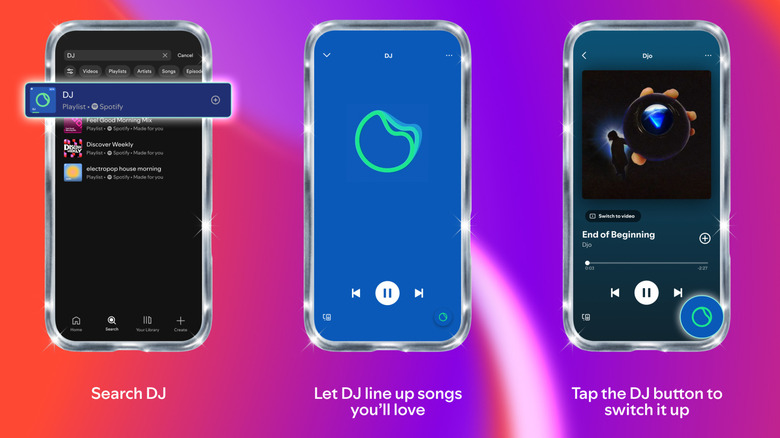
The expansion to additional languages and countries represents more than just a geographical extension—it reflects Spotify's recognition that music preferences and discovery behaviors vary significantly across regions. By developing localized versions of the AI music recommendation system, the company ensures that the feature remains culturally relevant and appropriately tuned to regional musical tastes. This localization effort encompasses not only language support but also deep integration with local music libraries, emerging artists, and regional music trends that define each market's unique sonic landscape.
Spotify's investment in artificial intelligence for music streaming positions the company as a pioneer in applying machine learning to the entertainment industry. The technology behind the personal DJ combines natural language processing capabilities that allow users to communicate preferences conversationally, alongside predictive analytics that anticipate what listeners want to hear before they consciously recognize it themselves. This dual approach creates an intuitive, responsive system that feels more like collaborating with a knowledgeable DJ than interacting with conventional algorithmic recommendations.
Premium subscribers accessing the feature across the expanded markets gain access to voice command functionality that allows hands-free control over the DJ feature. Users can request specific moods, genres, or eras, and the AI responds by generating playlists that match the request while maintaining coherence and flow. This voice-first approach represents an important accessibility feature while also aligning with broader industry trends toward voice-activated smart devices and seamless audio interfaces.
The global expansion comes as streaming services intensify competition for premium subscribers by differentiating their offerings through advanced technology features. Spotify's personalized music DJ service stands out as a distinctive competitive advantage, particularly among users who value both music quality and intelligent curation. By extending availability to 75-plus markets, the company significantly increases the addressable audience for this premium feature, potentially driving conversion rates among free-tier users considering upgrading to paid subscriptions.
Market analysis suggests that AI-driven personalization features represent a crucial battleground in the streaming wars. Users increasingly expect platforms to understand their preferences deeply and serve them content that feels both familiar and surprising in equal measure. Spotify's expansion demonstrates a strategic commitment to making this technology accessible to the broadest possible audience rather than reserving it exclusively for early adopter markets. The decision to roll out simultaneously across 75 markets rather than phased regional releases suggests the company has achieved sufficient maturity in the underlying technology and infrastructure.
Technical infrastructure supporting the feature includes sophisticated data centers capable of processing millions of user interactions simultaneously while maintaining low-latency responses. The machine learning models powering the DJ continue evolving through continuous learning from user feedback, playlist saves, skips, and other engagement signals. This iterative improvement cycle means that the feature becomes progressively more sophisticated and accurate over time as it accumulates more data about listener preferences across diverse populations.
The expansion across multiple languages required substantial engineering efforts to ensure the feature maintained quality and relevance in linguistically and culturally diverse markets. Spotify's engineering teams worked with local music experts and cultural consultants to ensure recommendations respected regional musical preferences while introducing users to high-quality artists they might not encounter through conventional discovery mechanisms. This localization extends beyond simple translation, encompassing deep cultural understanding of how different communities engage with music.
For premium subscribers eager to experience the feature, activation is straightforward through the Spotify mobile application or web interface. The intuitive design ensures that even users unfamiliar with AI-powered features can quickly understand how to interact with the personal DJ. Onboarding flows guide new users through the feature's capabilities while explaining how the system learns from their interactions over time. Feedback from early users in initial rollout markets indicates strong satisfaction rates and frequent usage patterns, suggesting the feature addresses genuine consumer needs.
Looking ahead, Spotify's investment in AI-powered personalization likely represents just the beginning of more sophisticated features to come. The company continues researching advanced applications of machine learning in music discovery, artist recommendation, and playlist generation. Future iterations may incorporate real-time mood detection, social listening patterns, or even integration with other Spotify services. The foundation established through the current DJ expansion positions Spotify well for increasingly intelligent music experiences that adapt dynamically to user preferences.
The rollout of Spotify's AI DJ feature across 75-plus markets represents a watershed moment for intelligent music curation at scale. By democratizing access to sophisticated recommendation technology previously available only in limited markets, Spotify reaffirms its position as an innovation leader in the streaming industry. For premium subscribers worldwide, the expansion means access to a powerful tool that transforms music discovery from a passive experience into an active, intelligent collaboration between listener and artificial intelligence.
Fonte: Engadget


