
Amazon Launches Specialized Alexa for Shopping

Amazon unveils Alexa for Shopping, an advanced agentic AI assistant designed to streamline and enhance the online purchasing experience for customers.
Amazon has introduced a specialized version of its popular voice assistant, marking a significant advancement in how consumers interact with the e-commerce giant's vast product ecosystem. The new Alexa for Shopping represents a focused approach to artificial intelligence, specifically engineered to handle the complexities and nuances of online retail transactions. This innovative tool demonstrates Amazon's commitment to leveraging cutting-edge AI technology to improve customer convenience and shopping efficiency across its platform.
The agentic AI assistant functionality sets this version of Alexa apart from its predecessor, as it's designed with autonomous decision-making capabilities that go beyond simple voice commands. Unlike traditional voice assistants that simply execute direct instructions, this shopping-focused AI can understand context, anticipate customer needs, and navigate through multiple steps of the purchasing process with minimal user intervention. The development of this specialized tool underscores the growing importance of conversational commerce in the retail landscape, where seamless interaction between customers and technology creates frictionless shopping experiences.
Amazon's approach to creating a dedicated shopping assistant reflects broader industry trends toward specialized AI applications tailored for specific use cases. Rather than maintaining a one-size-fits-all assistant, the company has recognized that commerce operations benefit from purpose-built artificial intelligence solutions. This strategic decision aligns with how enterprises across sectors are increasingly moving toward specialized AI systems that can deliver superior performance in narrowly defined domains compared to generalist alternatives.
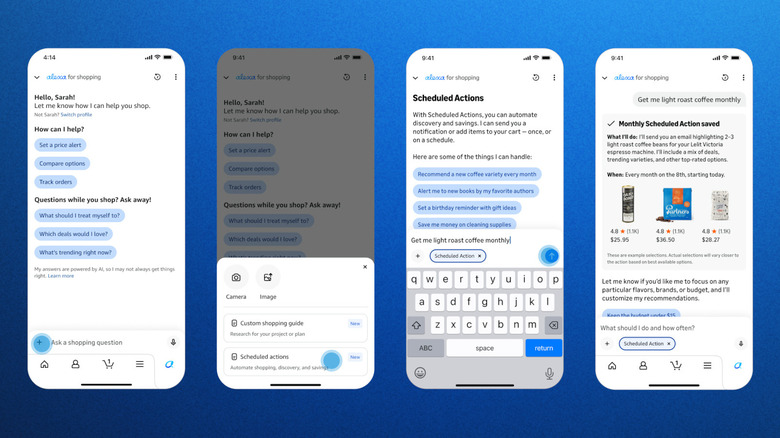
The capabilities embedded within Alexa for Shopping are expected to transform how customers discover, compare, and purchase items through voice interaction. Users can potentially leverage this tool to find products based on detailed descriptions, compare prices across categories, manage wish lists, and complete transactions using natural language commands. The agentic design means the assistant can break down complex shopping tasks into sequential steps, handling authentication, payment processing, and delivery preferences autonomously while keeping users informed throughout the process.
Integration with Amazon's existing infrastructure provides this shopping assistant with significant advantages, including access to comprehensive product catalogs, customer purchase history, and personalization data. The system can utilize this information to make intelligent recommendations that align with individual shopping patterns and preferences. Additionally, the tool can leverage Amazon's logistics network knowledge to provide accurate delivery estimates and shipping options in real-time during the shopping interaction.
The development of such specialized AI tools highlights the distinction between basic voice recognition and true autonomous intelligence capable of handling multifaceted transactions. Agentic AI systems represent a maturation of artificial intelligence technology, where machines don't simply respond to queries but actively manage workflows and make contextual decisions. This advancement is particularly valuable in e-commerce, where numerous variables—including inventory availability, pricing changes, user preferences, and payment options—must be synthesized to create optimal shopping experiences.
Amazon's investment in this specialized shopping assistant also reflects competitive pressures within the voice commerce space. As other tech companies and retailers develop their own conversational commerce solutions, maintaining technological leadership requires continuous innovation. The introduction of Alexa for Shopping positions Amazon to better compete in this evolving landscape while offering customers increasingly sophisticated tools for managing their purchasing activities through voice interaction.
The user experience implications of this shopping-specific assistant are substantial. Rather than navigating complex website interfaces or mobile apps, customers can now engage in natural conversation to accomplish shopping goals. This approach is particularly valuable for time-pressed consumers, individuals with accessibility needs, and those who prefer voice-based interaction. The conversational shopping interface removes friction from the purchasing process, potentially increasing transaction volume and customer satisfaction simultaneously.
From a technical perspective, building an effective shopping assistant requires solving numerous challenges related to natural language understanding, context retention, and real-time information integration. The system must accurately interpret ambiguous requests, handle corrections gracefully, and maintain coherent conversations across multiple interactions. Amazon's extensive experience with both voice technology and e-commerce operations positions the company well to address these technical requirements and deliver a polished product to market.
Looking forward, the success of Alexa for Shopping may establish a template for how Amazon develops specialized AI assistants tailored to specific business domains. Rather than maintaining a monolithic Alexa platform, the company could create vertical-specific versions optimized for different use cases, from healthcare consultations to financial planning. This modular approach to AI development offers advantages in performance, user experience, and resource allocation compared to attempting to build a single universal assistant capable of handling all scenarios.
The implications for consumer behavior and retail operations extend well beyond Amazon's ecosystem. As voice commerce becomes increasingly sophisticated and reliable, merchants across industries may need to develop complementary voice-based shopping capabilities or risk losing customers to more technologically advanced competitors. The shopping assistant innovation represents another step in the ongoing evolution of how people discover and purchase products in an increasingly digital world.
This specialized version of Alexa demonstrates that Amazon continues to invest heavily in artificial intelligence infrastructure, even as the company faces competitive challenges across its business segments. The focus on AI-driven shopping solutions reflects management's belief that voice commerce represents a significant opportunity for growth and customer engagement. As the technology matures and adoption increases, voice-based shopping may eventually rival or exceed traditional digital commerce channels for certain product categories and customer segments.
The launch of Alexa for Shopping marks an important moment in the evolution of consumer technology and retail innovation. By combining advanced AI capabilities with deep integration into its e-commerce platform, Amazon has created a tool that addresses genuine customer needs for convenience and efficiency. As this technology continues to develop and improve through real-world usage, it will likely influence how other companies approach voice commerce and specialized artificial intelligence applications.
Источник: Engadget


