
EU Rejects Putin's Push for Schröder in Ukraine Peace Talks

EU dismisses Vladimir Putin's proposal for Kremlin-aligned former German chancellor Gerhard Schröder to mediate Ukraine peace negotiations, citing impartiality concerns.
The European Union has firmly rejected Vladimir Putin's recent proposal to include former German Chancellor Gerhard Schröder as a mediator in ongoing Ukraine peace talks. Top EU diplomat Kaja Kallas made the bloc's position clear on Monday, stating that the Kremlin-friendly politician cannot be considered an impartial party in negotiations to end the devastating conflict in Ukraine. This rebuff highlights the deepening divisions between Moscow and Western Europe over the framework and participants in any potential peace settlement discussions.
Over the weekend, the Russian leader formally suggested Schröder as a possible intermediary figure to help restart diplomatic talks with European nations. Putin stated he would "personally" favour the former German leader for the mediator role, emphasizing their long-standing relationship and suggesting that Schröder possessed the necessary credibility to bridge the gap between Russia and the West. The Russian president's endorsement appeared designed to leverage Schröder's historical connections to German politics and his known sympathies toward Moscow.
However, Kallas's swift rejection underscores the EU's skepticism toward any mediator with perceived ties to the Kremlin. The EU diplomat emphasized that effective peace negotiations require participants and mediators who can maintain strict neutrality and represent the interests of all parties fairly. Schröder's long history of business dealings with Russian energy companies and his publicly stated opposition to certain Western sanctions against Russia have made him a controversial figure in European political circles, particularly among those supporting Ukraine's sovereignty and territorial integrity.
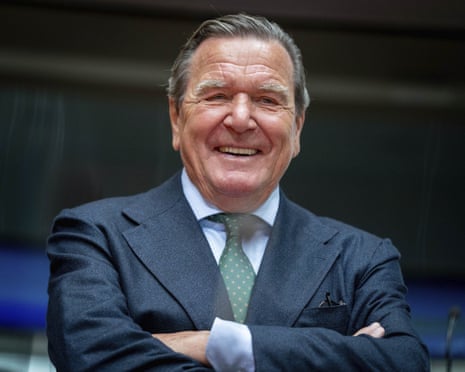
Schröder's controversial position in European politics stems from his deep connections to Russia's energy sector and his consistent advocacy for closer ties between Germany and Moscow. As a former chancellor who left office in 2005, Schröder has remained active in international business and diplomatic spheres, holding positions with Russian state-owned and private enterprises. His public statements have frequently contradicted the EU's position on sanctions and military support for Ukraine, making him a polarizing figure in contemporary European geopolitics and raising legitimate questions about his ability to serve as an impartial mediator.
The EU's rejection of Putin's proposal reflects broader concerns about the parameters and legitimacy of any potential peace negotiations regarding Ukraine. European leaders have consistently insisted that any mediation efforts must be conducted by parties with established neutrality credentials and demonstrated commitment to upholding international law and the sovereignty of nations. The bloc has emphasized that Ukraine itself must have a central voice in determining the terms and conditions of any peace settlement, rejecting attempts by external powers to dictate the framework of negotiations.
Russia's suggestion of Schröder as a mediator appears to be part of a broader diplomatic strategy aimed at fracturing Western unity and identifying potential allies within European political establishments. By proposing a figure with known ties to Moscow and historical sympathy for Russian interests, Putin may have been testing whether European nations would consider negotiation partners outside the traditional diplomatic framework. This approach reflects Moscow's ongoing efforts to find cracks in Western solidarity regarding Ukraine, particularly within Germany, which has historically maintained complex economic and historical relationships with Russia.
The timing of Putin's proposal comes at a critical juncture in the Ukraine-Russia conflict, as international pressure for diplomatic resolution continues to build alongside the ongoing military operations. Various nations and organizations have proposed different frameworks for potential talks, but consensus remains elusive regarding key issues such as territorial integrity, security guarantees, and reparations for war damages. The EU's firm rejection of the Schröder proposal demonstrates that Western nations remain committed to maintaining a unified stance on the parameters of any potential negotiations.
Kaja Kallas, who represents the EU's diplomatic interests as a senior foreign policy figure, has been particularly vocal in recent months about maintaining Western cohesion regarding Ukraine. Her swift dismissal of the Schröder proposal sent a clear signal that the EU would not entertain proposals from Moscow that appeared designed to introduce figures with questionable impartiality into peace processes. This response aligns with the broader European strategy of maintaining pressure on Russia while simultaneously keeping diplomatic channels open for potential future negotiations conducted under appropriate conditions and with suitable participants.
The controversy surrounding Schröder extends beyond his business dealings to encompass his political positioning on key issues affecting European security. His public statements have sometimes contradicted prevailing EU consensus on matters such as energy security, military aid to Ukraine, and the appropriate response to Russian aggression. These positions have made him a target of criticism from Ukrainian officials and various European politicians who view his approach as potentially harmful to European interests and inconsistent with the principle of supporting nations that have been victims of military invasion.
Looking forward, the EU's rejection of Putin's proposal signals that Western nations intend to maintain firm control over the diplomatic process and the selection of mediators or negotiators who might participate in peace settlement discussions. This stance reflects confidence that maintaining unity and refusing to accommodate Kremlin-proposed alternatives strengthens the West's negotiating position. The refusal also demonstrates that European nations will not allow Russia to manipulate diplomatic processes by inserting figures with questionable loyalties or compromised impartiality into sensitive negotiations affecting regional security and stability.
The broader implications of this diplomatic exchange extend to questions about Germany's role in European security architecture and its historical relationship with Russia. Germany has increasingly aligned itself with Western positions regarding Ukraine, despite its historical economic ties to Russian energy resources and its complex historical relationship with Moscow. The EU's rejection of Schröder as a potential mediator, implicitly endorsed by German officials, suggests that Berlin has definitively positioned itself within the Western camp regarding Ukraine, rejecting proposals that might suggest compromise or accommodation with Russian interests.
As the conflict in Ukraine continues to evolve and international diplomatic efforts persist, the EU's handling of proposals like Putin's Schröder suggestion will continue to shape the broader negotiating environment. The bloc's consistent rejection of mediators perceived as having conflicts of interest or compromised impartiality reflects a commitment to legitimate peace processes that can produce durable and internationally accepted outcomes. The coming months will likely bring additional diplomatic proposals and counterproposals as various parties attempt to shape the framework for eventual negotiations, with the EU's principled stance on mediator selection remaining a crucial element of Western strategy.


