
Navy Secretary John Phelan Steps Down

Pentagon announces Navy Secretary John Phelan's immediate departure, continuing a wave of high-level leadership changes within the Department of Defense.
The Pentagon confirmed on Wednesday that John Phelan, who served as the navy's top civilian official and secretary of the navy, is stepping down from his position effective immediately. The announcement marks another significant leadership transition within the Department of Defense, continuing a pattern of high-profile departures at the military's highest levels. The departure comes just one week after similar upheaval saw the Army's top officer removed from their position, signaling broader organizational changes underway at the Pentagon.
Pentagon spokesperson Sean Parnell released a formal statement confirming Phelan's immediate departure from his role. The Secretary of the Navy position represents one of the most critical civilian leadership roles within the Navy, responsible for overseeing naval operations, personnel management, and strategic direction for the service branch. Phelan's sudden exit raises questions about the stability of Pentagon leadership and the direction of military governance during this transitional period.
This leadership change occurs within the broader context of recent military personnel shifts. Just days earlier, Pete Hegseth, the Secretary of Defense, made the decision to remove the Army's top officer from their position. These consecutive departures of senior military and civilian officials have drawn attention to the current state of military leadership and command structure. The timing of these announcements suggests a more comprehensive reorganization may be underway within the defense establishment.
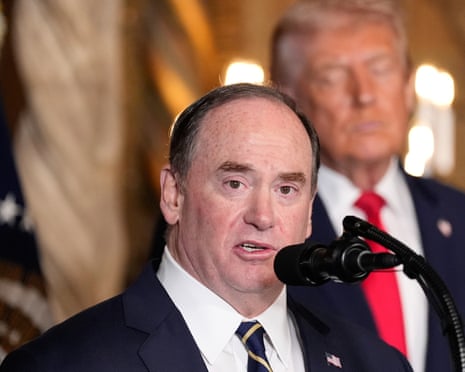
The Navy Secretary departure comes at a time when the naval branch faces numerous strategic challenges and operational demands. As the civilian head of the Navy, the secretary's role encompasses broad responsibilities including budget allocation, force modernization, personnel policies, and coordination with military commanders. The loss of experienced civilian leadership during periods of military transition can create administrative and operational uncertainties.
Leadership stability within the Pentagon is crucial for maintaining military readiness and strategic coherence. The office of the Secretary of the Navy has historically been held by individuals with significant experience in defense policy, military operations, or related fields. Such transitions, particularly when executed with immediate effect, can disrupt ongoing initiatives, policy implementations, and strategic planning processes that require continuity of vision and direction.
The circumstances surrounding Phelan's departure remain partially unclear, though the official announcement indicates the decision was made at the Pentagon's highest levels. The use of the term "departing the administration" in the official statement suggests the exit was coordinated through appropriate channels, though no detailed explanation was provided regarding the specific reasons or circumstances leading to the immediate departure.
These recent changes at the Pentagon reflect ongoing shifts in defense administration policies and priorities. The removal of the Army's top officer and the subsequent departure of the Navy Secretary within a short timeframe suggests that the current defense leadership may be implementing significant organizational changes. Such restructuring can impact everything from strategic planning to day-to-day military operations.
The announcement of Phelan's departure was made through social media channels, representing a modern approach to communicating significant government personnel changes. This method of announcement ensures rapid dissemination of information to media outlets, stakeholders, and the general public, though it also highlights the increasingly digital nature of official government communications.
As the Pentagon navigates these leadership transitions, questions emerge about the succession plan for the Navy Secretary position and who will assume interim or permanent responsibility for the role. The immediate nature of Phelan's departure suggests that contingency planning may already be in place, though no announcement regarding a successor or acting secretary was made in the initial statement.
The broader implications of these military personnel changes extend beyond individual positions to encompass the overall direction of the Defense Department. Senior civilian and military leaders serve as architects of military strategy, budget priorities, and operational doctrine. Their departure can signal shifts in these fundamental areas, particularly if the departures are part of a coordinated effort to implement new policies or strategic directions.
Military observers and defense analysts will be closely monitoring how the Pentagon addresses these leadership vacancies and what direction new leadership may take. The succession of these departures within a compressed timeframe suggests that significant changes may be underway in how the military approaches its strategic missions, operational priorities, and organizational management. The stability of the military command structure during such transitions is a matter of considerable importance to defense readiness and national security interests.
Источник: The Guardian


