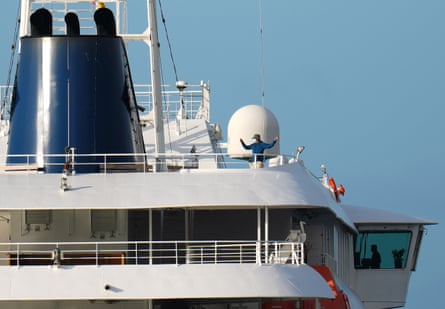
Hantavirus Cruise Ship Reaches Tenerife for Emergency Evacuation

MV Hondius arrives in Canary Islands with 146 people aboard after deadly hantavirus outbreak claims three lives and sickens eight more passengers.
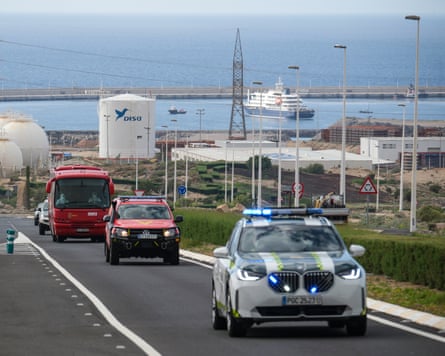
In a dramatic response to a hantavirus outbreak at sea, the cruise ship MV Hondius has successfully reached the port of Tenerife in the Canary Islands, marking the beginning of a comprehensive evacuation operation for all passengers and crew members currently onboard. The vessel arrived during the early morning hours of Sunday, carrying a total of 146 individuals who have been confined aboard the ship as health authorities coordinate an emergency response to contain the viral spread and ensure the safe transport of potentially exposed individuals back to their home countries.
The hantavirus cruise ship incident represents one of the most serious disease outbreaks to occur aboard a commercial passenger vessel in recent years. According to official reports, three passengers have already succumbed to the virus, while eight additional individuals have displayed symptoms consistent with hantavirus infection. The rapid escalation of confirmed cases and fatalities prompted immediate action from maritime authorities and health officials, who designated Tenerife as the primary evacuation point due to its accessibility and available medical infrastructure capable of handling the crisis situation.
Health authorities across multiple countries have been mobilized to facilitate the emergency evacuation process, with particular emphasis on coordinating air transport for the 146 individuals currently stranded aboard the vessel. The complexity of the operation is compounded by the international nature of the passenger roster, necessitating coordination between numerous governments and aviation authorities to arrange dedicated flights. Each passenger and crew member requires medical screening, documentation, and specialized handling to prevent further transmission of the highly dangerous pathogen during transport.
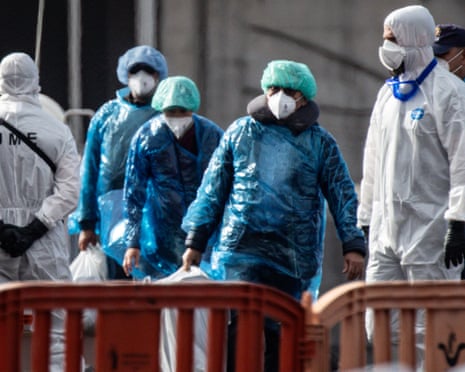
Hantavirus is a particularly dangerous pathogen known for its high fatality rate and severe respiratory complications in infected individuals. The virus is typically transmitted to humans through contact with infected rodent droppings, urine, or saliva, though transmission between passengers on a cruise ship suggests either an unusual environmental contamination event aboard the vessel or person-to-person transmission patterns that warrant further epidemiological investigation. Medical experts have indicated that the confined environment of a cruise ship creates ideal conditions for rapid viral spread, which likely contributed to the explosive nature of this outbreak.
The arrival of MV Hondius in Tenerife represents a critical juncture in the crisis management response, as authorities now face the monumental task of safely removing all passengers and crew while maintaining strict quarantine and medical protocols. Tenerife's ports and airports have been placed on heightened alert, with dedicated medical personnel positioned to conduct thorough health assessments and triage operations. The Canary Islands regional government has mobilized additional healthcare resources and coordination personnel to manage what officials are characterizing as a public health emergency of significant proportions.
The logistics of evacuating 146 potentially exposed individuals presents enormous challenges for aviation authorities and ground support teams. Each passenger must be individually assessed, potentially isolated if showing symptoms, and then transported via commercial or chartered aircraft while maintaining appropriate biosafety protocols. The coordination required involves multiple international airlines, government agencies, and health organizations working in concert to execute what is essentially a synchronized global health response operation with lives hanging in the balance.

Preliminary investigations into the source of the hantavirus outbreak aboard the cruise have centered on potential environmental contamination within the ship's ventilation systems, food service areas, or passenger accommodations. Ship maintenance records and environmental samples are being analyzed to determine how the pathogen entered the vessel and whether it came from external sources during port calls or was already present in the ship's systems. Understanding the transmission mechanism is critical for preventing future incidents and ensuring that proper decontamination procedures are implemented before the vessel can return to service.
The incident has raised serious questions about cruise ship disease prevention and quarantine protocols in the maritime industry. Regulatory bodies responsible for overseeing passenger vessel operations are initiating comprehensive reviews of existing health and safety standards. The outbreak demonstrates vulnerabilities in current systems designed to detect and contain infectious disease outbreaks in the confined quarters of modern cruise ships, which can house thousands of passengers and crew members in close proximity.
International health organizations including the World Health Organization have been briefed on the situation and are monitoring developments closely. The maritime health emergency has prompted discussions about enhancing disease surveillance systems aboard commercial vessels and establishing more robust protocols for rapid response to infectious disease threats at sea. Experts emphasize that modern cruise ships require enhanced epidemiological monitoring capabilities and improved communication channels between ship operators and public health authorities to enable swift intervention when outbreaks are detected.
The human toll of this tragedy extends beyond the three confirmed fatalities and eight symptomatic individuals, encompassing the psychological impact on all 146 people stranded aboard the vessel and the families anxiously awaiting their safe return home. Support services have been established to provide emotional counseling and regular communication with loved ones during the evacuation process. The experience of being confined aboard a disease-stricken vessel represents a traumatic ordeal that will likely have lasting psychological effects on survivors.
As the evacuation proceeds, detailed medical monitoring will continue for all evacuees throughout their journey home and during subsequent follow-up periods. Hantavirus surveillance protocols will track any additional cases that may emerge, as incubation periods can extend over several weeks. Public health authorities have prepared isolation facilities at destination airports to provide secondary screening and quarantine measures if needed, ensuring that the geographic spread of the virus is minimized and contained.
The MV Hondius situation underscores the vulnerability of our interconnected global transportation systems to infectious disease threats. The incident demonstrates how quickly pathogens can spread in controlled environments and how international cooperation becomes essential when dealing with public health crises that transcend national borders. Future cruise ship operations will likely be significantly impacted by new regulatory requirements, enhanced health screening procedures, and improved onboard disease detection systems designed to prevent similar catastrophes from occurring in the future.