
Infant Dies at Regional Homeless Camp

A baby found dead at a Wagga Beach homeless encampment has reignited debates about Australia's regional housing crisis and homelessness.
A tragic incident unfolded at a homeless encampment near Wagga Beach on the Murrumbidgee River in regional New South Wales on Saturday, leaving authorities and community leaders grappling with difficult questions about the state of homelessness in regional Australia. Police responded to an emergency call and discovered a devastating scene: a 37-year-old woman sheltering in a tent with two infants, one of whom was found deceased. The incident has sparked urgent conversations about the adequacy of housing resources and support systems in regional areas, with local officials emphasizing that this tragedy represents a critical breaking point in Australia's approach to homelessness.
According to police statements released following the discovery, authorities found no suspicious circumstances surrounding the infant's death, suggesting the tragedy resulted from conditions associated with living rough rather than foul play. The mother and the surviving infant were immediately transported to a local hospital for medical evaluation and support. Emergency services personnel described the scene as particularly distressing, highlighting the vulnerabilities of families living without adequate shelter in regional communities. The incident marks one of the most visible and heartbreaking consequences of the nation's ongoing housing affordability and homelessness crisis.
Local councillors have seized upon the tragedy as evidence that the housing crisis affecting regional Australia has reached unsustainable levels. Representatives from the Wagga Wagga City Council have called for immediate intervention and increased funding for homeless services in their area. The councillors argue that incidents like this should never occur in a developed nation with the resources to prevent such suffering. Their statements reflect growing frustration with what many perceive as inadequate government responses to homelessness in rural and regional centers, where housing costs have risen sharply while wages have stagnated.

The discovery at Wagga Beach adds to a growing body of evidence demonstrating that regional homelessness represents a significant and often overlooked social challenge. Unlike major urban centers such as Sydney and Melbourne, where homelessness receives consistent media attention and policy focus, regional areas like Wagga Wagga frequently lack adequate support infrastructure. Community services in these regions are often stretched thin, with limited funding allocated to crisis accommodation, mental health support, and family services. The concentration of resources in capital cities has left smaller population centers vulnerable to escalating homelessness problems that frequently go unaddressed until crises occur.
Homelessness in regional Australia stems from multiple interconnected factors including skyrocketing rental prices, limited employment opportunities, insufficient mental health and substance abuse treatment facilities, and inadequate regional housing support programs. Many individuals and families find themselves homeless not through choice but through circumstance—job loss, domestic violence, health crises, or relationship breakdown can quickly lead to housing insecurity in communities where affordable rental stock is scarce. The situation is particularly acute for vulnerable populations including single mothers, individuals with disability, and those experiencing mental health challenges. Without adequate prevention programs and early intervention services, many people spiral into homelessness when they might otherwise remain housed.
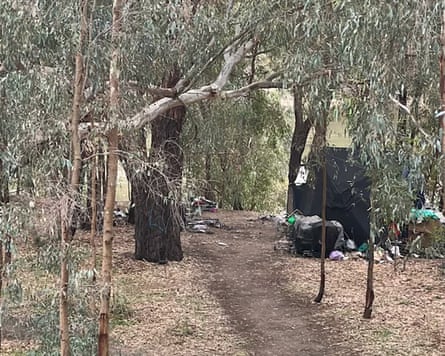
The incident at Wagga Beach has prompted regional housing advocates to renew calls for comprehensive policy reform addressing homelessness solutions across non-metropolitan areas. Advocates argue that existing programs prioritize urban centers, leaving regional communities without adequate resources to address their specific homelessness challenges. They point to the lack of crisis accommodation facilities, limited access to government housing programs, and insufficient funding for support services as systemic failures contributing to tragedies like the one discovered on Saturday. Many are calling for dedicated funding streams for regional homelessness programs and better coordination between local councils, state governments, and federal authorities to ensure no area is left without adequate support infrastructure.
The response from government officials has included expressions of sympathy and promises to investigate the circumstances surrounding the infant's death more thoroughly. However, critics argue that expressions of concern are insufficient without corresponding commitments to increased funding and targeted interventions. The tragedy has put pressure on politicians across all levels to demonstrate concrete action addressing regional homelessness rather than relying on rhetoric. Community leaders emphasize that families should never be forced to raise children in tents and that society must collectively acknowledge responsibility for creating conditions where such desperation becomes reality.
Social welfare organizations operating in regional areas have expressed alarm at the incident, noting that it represents an extreme but not entirely surprising outcome of systemic inadequacy in regional homelessness support. These organizations report that they regularly encounter families and individuals living in makeshift accommodation, lacking access to basic hygiene facilities, healthcare, or safe sleeping environments. The strain on these services is exacerbated by increasing demand coupled with static or declining funding levels. Many frontline workers have stated that they feel ill-equipped to address the scale of homelessness they encounter, particularly when dealing with vulnerable populations including pregnant women, young children, and individuals with complex health needs.
The tragedy has reignited broader conversations about Australia's national approach to housing and homelessness policy. Advocates across the political spectrum have called for increased investment in affordable housing construction, expanded rental assistance programs, and enhanced support services for vulnerable populations. The incident demonstrates that homelessness is not merely an urban phenomenon but a serious challenge affecting all communities regardless of size. Without sustained commitment to addressing root causes of homelessness and ensuring adequate support infrastructure across all regions, tragedies like the one at Wagga Beach appear likely to recur. The question now facing policymakers is whether they will respond with meaningful action or allow the cycle of tragedy and inadequacy to continue.
Moving forward, stakeholders emphasize that addressing regional homelessness requires multifaceted approaches including immediate crisis response, medium-term housing provision, and long-term preventive measures. This includes establishing adequate emergency accommodation facilities in all regional centers, ensuring access to mental health and addiction services, creating pathways to sustainable employment, and building affordable housing stock. Success requires coordination across government agencies, collaboration with community organizations, and sustained funding commitments extending beyond electoral cycles. The death of the infant at Wagga Beach serves as a stark reminder that policy failures have real human consequences, and that action on regional homelessness is both a moral imperative and a practical necessity for building healthier, more equitable communities across Australia.
Джерело: The Guardian


