
Israeli Survivor Opens 7 October Exhibition in London

Nova music festival commemoration opens in London, confronting denial with survivor testimonies. Security heightened as exhibition honors 378 victims and hostages.
The Nova music festival exhibition opened its doors in east London with unprecedented security measures in place, drawing international attention to one of the most devastating attacks in recent history. Heavy police presence and armed security personnel lined the entrance, creating an atmosphere of solemnity and vigilance as visitors prepared to confront the gravity of the October 7 tragedy. The location had been kept confidential until the morning of the opening, underscoring the sensitive nature of the event and the need to protect both attendees and the exhibition space itself.
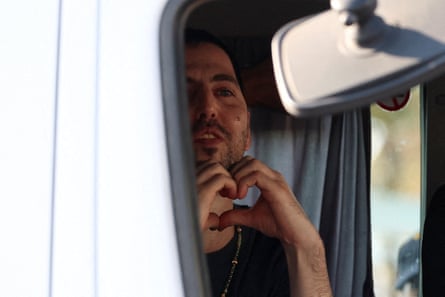
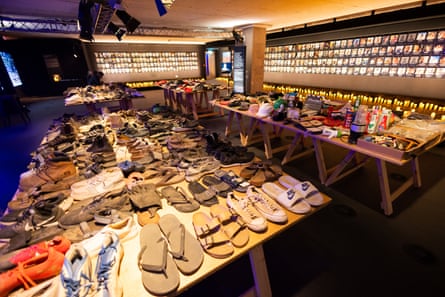
Elkana Bohbot, a survivor of the Nova music festival massacre, issued a powerful appeal to those who question or deny the events of that fateful day. His message was clear and direct: the exhibition serves as an undeniable testament to the 378 people massacred at the festival, the 44 individuals taken as hostages, and the 19 hostages who perished in captivity. Speaking passionately about the importance of bearing witness, Bohbot emphasized that this commemoration exists specifically to confront those who refuse to acknowledge the scale and brutality of what occurred.
The exhibition's opening represents a significant moment in the collective effort to preserve the memory of the October 7 attacks and ensure that future generations understand the full scope of the tragedy. By bringing this memorial to London, organizers have made a deliberate choice to share this important story beyond Israel's borders, recognizing that the lessons learned and the need for remembrance transcend national boundaries. The decision to establish heightened security measures reflects both the emotional weight of the subject matter and the recognition that such commemorative spaces can become targets for disruption.

The Nova music festival was the site of one of the most brutal mass casualties in recent memory, with the attack occurring during a celebration that should have been joyful and carefree. The October 7 attack fundamentally changed the lives of thousands of families, leaving survivors with physical and psychological wounds that continue to shape their daily existence. The exhibition aims to document these personal stories and experiences, transforming individual tragedies into a collective historical record that cannot be ignored or minimized.
Security personnel and police officers positioned throughout the venue maintained a careful watch as attendees entered, their presence a stark reminder of the divisions and sensitivities that continue to surround discussions of the October 7 events. The decision to implement such comprehensive security measures was not taken lightly, reflecting the reality that memorial spaces dedicated to controversial historical events sometimes face opposition or unwanted attention. The suited security personnel with earpieces, standing stern-faced and watchful, created a visible perimeter designed to protect the sanctity of the commemoration.
The exhibition's purpose extends beyond simple memorial; it serves as an educational tool and a powerful statement against those who deny or diminish what occurred. Bohbot's direct appeal to doubters—his invitation for them to "come in for one minute"—suggests a confidence in the power of witnessing and direct engagement with the historical record. This approach reflects a belief that exposure to the facts and personal testimonies will inevitably challenge any preconceived notions or deliberately cultivated denial.
The 44 hostages taken represent a dimension of the tragedy that extends far beyond the day of the attack itself, with families enduring ongoing trauma and uncertainty regarding their loved ones' fates. The fact that 19 of these individuals did not survive their captivity adds an additional layer of devastation to an already incomprehensible loss. These figures are not mere statistics but represent individual lives, each with their own story, relationships, and dreams that were cut short or fundamentally altered by the events of October 7.
The location in east London was strategically chosen to bring the commemoration to an international audience and to demonstrate the global significance of remembering and honoring the victims. The deliberate secrecy surrounding the venue's location until the morning of the opening suggests that organizers were anticipating potential security concerns or disruptions. This precautionary approach, while regrettable in its necessity, underscores the ongoing tensions surrounding discussions and memorializations related to the October 7 attacks.
The presence of two police vans stationed near the entrance and officers patrolling the pavements created a visual statement about the importance placed on protecting this commemorative space. The security measures at the exhibition reflect not paranoia but rather a realistic assessment of the current social and political climate, where historical events and their interpretation remain deeply contested. The exhibition organizers' commitment to creating a safe environment for visitors to engage with the material demonstrates their dedication to the work of remembrance and education.
Bohbot's appeal carries particular weight given his direct experience of the events being commemorated. As someone who survived the massacre, his voice carries an authenticity and moral authority that cannot be disputed. His invitation for skeptics to visit the exhibition and spend even just one minute engaging with its contents reflects a belief in the transformative power of bearing witness and confronting historical truth directly.
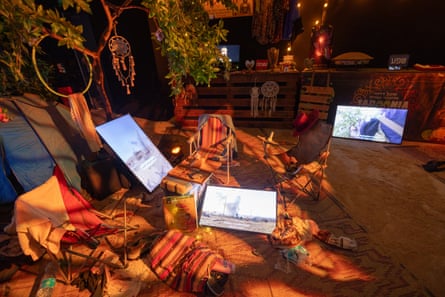
The exhibition serves as a physical manifestation of the determination to ensure that the events of October 7 remain part of the historical record and public consciousness. Through detailed documentation, personal testimonies, and carefully curated displays, the exhibition transforms abstract numbers into human stories. The commemoration of the Nova attack extends beyond national borders, recognizing that the responsibility to remember and educate is a global one that transcends political divisions.
As the exhibition opens its doors to the public, it represents a critical moment in the ongoing process of collective remembrance and historical accounting. The security measures, while sobering, are a testament to the significance of the work being done and the ongoing struggles surrounding interpretation of recent historical events. Through this memorial, Bohbot and other survivors continue their crucial work of ensuring that denial, dismissal, and historical revisionism do not go unchallenged.
Джерело: The Guardian


