
Lebanese Journalist Killed After Warning of Israeli Death Threats

Amal Khalil, 43, was killed in Israeli attack after previously reporting threats. Media groups condemn killing of al-Akhbar journalist.
The death of a prominent Lebanese journalist in an Israeli military attack on Wednesday has reignited international concerns about press freedom and journalist safety in the region. Amal Khalil, a 43-year-old reporter who worked for the influential al-Akhbar newspaper, was killed in a sustained assault by Israeli forces that also left one of her colleagues wounded. Her death has prompted swift condemnation from media rights organizations worldwide, who have highlighted her previous warnings about receiving direct threats to her life.
Prior to her death, Khalil had publicly disclosed that she had received threatening communications from an unidentified Israeli phone number, warning her that she would be killed if she did not immediately evacuate southern Lebanon, the region where she had based her extensive journalistic work for years. This death threat represented an escalation in pressure against journalists operating in conflict zones, particularly those reporting on sensitive political and military matters. Khalil's decision to continue her work despite these warnings demonstrated her commitment to investigative journalism and her refusal to be intimidated by threats to her personal safety.
Throughout her career, Khalil had established herself as a fearless reporter known for her unflinching coverage of regional politics and military developments. She had openly described herself as supporting resistance movements against Israel, stating she backed such efforts "whether communist or Islamist," a position that reflected her ideological stance and likely made her a target for those seeking to silence critical voices. Her work at al-Akhbar, one of Lebanon's most respected news organizations, had earned her recognition in journalistic circles and established her as an important voice in regional reporting.
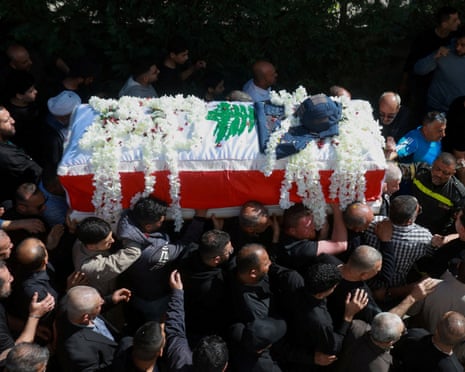
The circumstances surrounding Khalil's death have raised serious questions about the targeting of journalists in active conflict zones and the broader implications for press freedom in the Middle East. International press freedom organizations have expressed alarm at what they describe as a pattern of attacks on journalists covering the Israeli-Palestinian conflict and related regional tensions. The killing of such a prominent reporter sends a chilling message to other journalists working in similar circumstances, potentially discouraging critical coverage of military operations and political developments.
Media rights groups have been particularly vocal in their response, with numerous organizations issuing statements condemning the attack and calling for independent investigations into the circumstances of Khalil's death. These groups have emphasized that journalists have a fundamental right to work without fear of harassment, intimidation, or violence, and that the international community must take stronger measures to protect those reporting from conflict zones. The loss of an experienced journalist like Khalil represents not only a personal tragedy but also a significant loss to the field of journalism in the region.
The attack in which Khalil was killed has been characterized as particularly intense, with reports indicating that Israeli forces conducted a sustained bombardment of the area where she was located. The fact that she was not alone at the time—her colleague was also wounded in the attack—underscores the indiscriminate nature of the assault. Eyewitness accounts and reports from local sources have provided details about the scale and intensity of the attack, contributing to the growing international outcry over the incident.

Al-Akhbar newspaper, where Khalil had worked as a journalist, is a significant media institution in Lebanon known for its independent editorial stance and willingness to publish controversial content. The newspaper has played an important role in Lebanese political discourse and has been influential in shaping public opinion on major issues affecting the country. The loss of one of its experienced reporters is therefore particularly significant for the organization and for Lebanon's broader media landscape.
Southern Lebanon, where Khalil had long been based and conducted much of her reporting work, has been an area of significant military and political tension, particularly in relation to Israeli military operations and the activities of various Lebanese political factions. Journalists working in this region face particular challenges, including restricted access, military operations, and complex political dynamics that make reporting dangerous and difficult. Khalil's decision to remain in this region despite the threats she received reflects the commitment of many journalists to covering stories that they believe are important for public understanding, even at great personal risk.
The international community's response to Khalil's death has included statements from various governments, United Nations agencies, and international human rights organizations. Many have called for accountability and for investigations into whether the attack on Khalil was intentional or collateral damage in a broader military operation. These calls for accountability reflect growing concern about whether sufficient protections exist for journalists in conflict zones and whether those responsible for attacks on media personnel face appropriate consequences.

The case of Amal Khalil exemplifies broader challenges facing journalists across the Middle East and beyond, where reporting on conflict, politics, and military matters can be extraordinarily dangerous. Her previous warnings about threats to her safety highlight the reality that many journalists receive explicit warnings and intimidation before incidents like her death occur. This pattern of escalating threats followed by violence suggests a systematic effort to silence critical voices and control information flow in conflict zones.
Looking forward, the death of Khalil is likely to prompt renewed discussions about journalist protection mechanisms, international laws governing attacks on media personnel, and the responsibility of militaries and armed groups to distinguish between combatants and civilians, including journalists. Press freedom advocates argue that stronger protections and clearer international norms are necessary to ensure that journalists can continue their vital work without facing lethal threats. The legacy of journalists like Khalil, who continued reporting despite obvious dangers, serves as a powerful reminder of the commitment many journalists demonstrate to their profession and to keeping the public informed.
Джерело: The Guardian


