
Pentagon Releases UAP Files: No Evidence of Aliens Found

The US military released unidentified aerial phenomenon files, but officials confirm no evidence of extraterrestrial contact. Explore the history of UFO sightings.
The phenomenon of mysterious aerial encounters has captivated public imagination for generations, with documented observations stretching back centuries across multiple cultures and continents. These sightings of what scientists and military personnel refer to as unidentified flying objects, or UFOs, have experienced cyclical waves of increased reporting throughout modern history. Particularly notable surges occurred during the late 1940s and early 1950s, a period coinciding with the onset of Cold War tensions between superpowers, when governments began systematically tracking and investigating these mysterious aerial events.
In recent decades, the frequency and documentation of UFO sightings have notably increased, driven largely by technological advancement in surveillance capabilities and imaging systems. The proliferation of smartphone cameras, drone technology, and sophisticated sensor networks has enabled civilians and military personnel alike to capture real-time photographic and video evidence of unexplained aerial phenomena. These technological improvements have transformed what were once anecdotal reports into increasingly documented visual records, fueling both scientific curiosity and public speculation about the origins of these mysterious objects.
A pivotal moment in this ongoing narrative occurred in 2017 when details surrounding a secretive government initiative became public knowledge. The Advanced Aerospace Threat Identification Program, a shadowy Pentagon initiative that had operated with limited transparency, was revealed to the American public through investigative journalism and congressional inquiries. This disclosure marked a significant shift in how the government addressed the topic of aerial phenomena, transitioning from complete secrecy to reluctant acknowledgment and eventual documentation of incidents.

Following this revelatory moment, public pressure on the US government intensified considerably, with citizens, congressional members, and media outlets demanding comprehensive release of classified files and historical records related to unidentified aerial phenomena. The terminology itself underwent a significant transformation during this period, with government officials and military agencies deliberately shifting from the colloquial term UFO to the more scientifically neutral designation of Unidentified Aerial Phenomenon, commonly abbreviated as UAP. This linguistic change reflected a broader effort to depoliticize and destigmatize the serious investigation of these incidents, attempting to position UAP research within the framework of legitimate scientific inquiry rather than speculative pseudoscience.
Despite mounting public demands for transparency and disclosure, Pentagon officials and other government representatives have consistently and repeatedly maintained that no credible evidence has emerged demonstrating the presence of extraterrestrial beings or their advanced technological systems on Earth. These official statements, released through military spokespersons and intelligence agency directors, have emphasized the commitment to scientific rigor and the absence of verifiable proof linking any documented UAP incidents to extraterrestrial origin. Officials have stressed that while some incidents remain unexplained, unexplained does not necessarily mean extraterrestrial.
However, the contemporary landscape of public discourse presents significant challenges to official government narratives. The modern era has witnessed an unprecedented proliferation of conspiracy theories spread through unregulated internet platforms, social media networks, and alternative information channels. Trust in institutional authorities has eroded substantially across broad segments of the population, creating an environment where skepticism toward official government statements has become deeply embedded in public consciousness. This fundamental breakdown in institutional credibility has created fertile ground for alternative explanations and theories, regardless of evidentiary support.
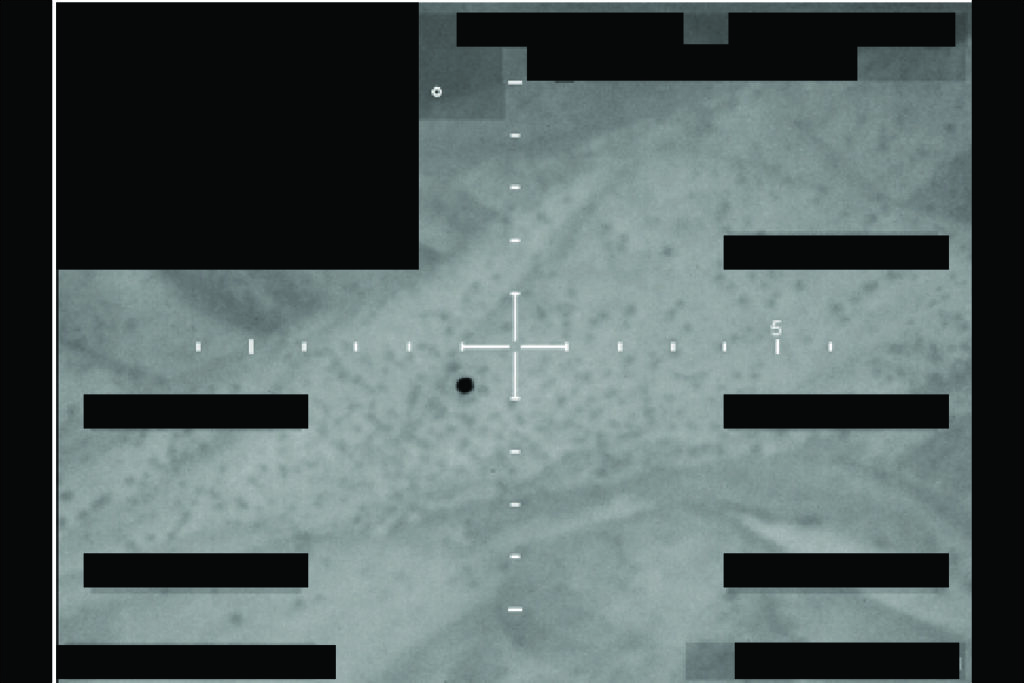
Within this polarized epistemic environment, substantial portions of the American public have embraced the conviction that aliens not only exist but have visited Earth, and that government agencies actively participate in coordinated cover-up operations to conceal this extraordinary truth. Proponents of this perspective cite historical patterns of government deception, classified military projects, and perceived gaps in official explanations as evidence supporting their claims. They argue that the Pentagon's repeated denials of extraterrestrial contact represent merely another layer of sophisticated disinformation designed to maintain public control and institutional power.
The recent release of Pentagon UAP files by the US military has served as a focal point for these competing narratives about truth, transparency, and the nature of mysterious aerial phenomena. Supporters of government transparency praised the release as a step toward honest disclosure, while skeptics argued that the documents provided little substantive information and raised more questions than answers. The ambiguity inherent in the released materials has allowed both official narratives and conspiracy theories to claim vindication, as different factions interpret the same evidence through their respective ideological frameworks.
The fundamental challenge facing serious UAP research remains the epistemological problem of distinguishing between genuine unexplained phenomena requiring scientific investigation and the projection of human hopes, fears, and imaginative narratives onto ambiguous sensory data. Military pilots, weather phenomenon experts, and atmospheric physicists have provided multiple conventional explanations for documented incidents, ranging from advanced classified aircraft and drone technology to atmospheric optical illusions and misidentified natural phenomena. Yet for many observers, these prosaic explanations fail to account for the most intriguing aspects of certain incidents, perpetuating the cycle of mystery and speculation.

The institutional response from government agencies reflects the delicate balance required when addressing matters that intersect with national security, scientific credibility, and public credulity. By establishing formal investigation protocols and employing scientific terminology, the Pentagon has attempted to elevate the discussion above conspiracy theory while avoiding definitive claims about extraordinary phenomena. This measured approach satisfies neither those demanding absolute transparency nor those convinced of government suppression, leaving the public discourse suspended in a state of perpetual uncertainty and contestation.
Ultimately, the question of what constitutes adequate evidence for extraordinary claims remains contested across scientific, governmental, and public discourse communities. The release of classified UAP files represents both progress toward government transparency and a reminder of how institutional responses to public demands can simultaneously satisfy and frustrate multiple audiences. Whether future releases will meaningfully advance human understanding of unexplained aerial phenomena or primarily fuel continued speculation and conspiracy theory remains an open question in an era defined by institutional skepticism and information abundance.
Джерело: Ars Technica


