
Philadelphia's Democratic Primary Could Reshape Party

Pennsylvania's 3rd district primary tests whether Democrats will embrace progressive change or stick with establishment politics ahead of 2026.
Pennsylvania's third congressional district, consistently ranked among the nation's most reliably Democratic regions, stands at a crossroads. Next week's primary election will serve as a critical battleground where the party's traditional establishment wing faces off against a new generation of progressive insurgents seeking to reshape Democratic priorities. This high-stakes contest reflects deeper divisions within the party that have festered since the disappointing 2024 election cycle.
For nearly two years, Democrats have grappled with difficult questions about what went wrong in 2024 and how to move forward as a political force. Pennsylvania's third district primary offers a concrete opportunity for the party faithful to articulate their vision for the future. The race has crystallized around fundamental debates about the party's direction, values, and priorities in an era of significant political uncertainty and shifting voter sentiment.
The primary contest encompasses virtually every major faultline currently dividing Democratic politics. Candidates have staked out dramatically different positions on the Israeli-Palestinian conflict and Gaza policy, a issue that has mobilized younger voters and progressive activists. Healthcare remains another central battleground, with candidates proposing divergent approaches to medical access and pharmaceutical regulation. Immigration enforcement policies have also become a flashpoint, reflecting broader national divisions over border security versus humanitarian concerns.

The role of corporate money in politics represents yet another crucial dividing line in this race. Progressive candidates have emphasized their commitment to rejecting corporate donations and special interest funding, positioning themselves as champions of grassroots, grassroots-funded campaigns. Establishment-backed candidates argue that pragmatism and fundraising capacity are essential to winning general elections and governing effectively. This debate reflects a broader tension within the Democratic Party between ideological purity and electoral viability.
Pennsylvania's third district has long been considered one of America's most reliably blue districts, with Democratic performance consistently outpacing national trends. The district encompasses portions of Philadelphia and its surrounding suburbs, containing diverse communities with varying economic backgrounds, educational levels, and policy priorities. This demographic complexity makes it particularly important as a testing ground for which Democratic message resonates most powerfully with the party's base.
The specific dynamics of this primary have drawn national attention from Democratic operatives, progressive activists, and political observers across the ideological spectrum. National organizations have mobilized resources to support favored candidates, recognizing that the outcome could influence how Democrats approach similar contests in other competitive districts. The result could serve as a bellwether for whether the party's grassroots will accept incremental change or demand more transformative shifts in policy direction.
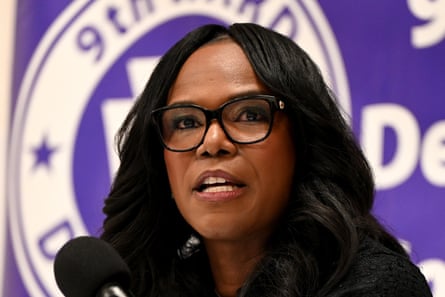
Healthcare policy represents one of the most substantive areas of disagreement among the candidates. Progressive candidates have advocated for Medicare for All or similar universal healthcare proposals that would fundamentally restructure the American medical system. More moderate candidates have argued for incremental reforms and improvements to the Affordable Care Act, emphasizing the importance of stability and protecting existing coverage. These competing visions reflect fundamental philosophical differences about government's role in ensuring healthcare access.
The Gaza and Middle East policy debate has proven particularly emotionally charged, resonating deeply with younger voters and communities with Palestinian heritage or solidarity. Candidates have presented markedly different positions on US military aid to Israel, with progressives calling for conditioning assistance on human rights improvements and moderates emphasizing America's security alliance with Israel. This issue has mobilized significant grassroots organizing and campaign activity among both camps.
Immigration enforcement has emerged as another defining issue in the campaign. Progressive candidates have stressed humanitarian concerns and the contributions of immigrant communities, while advocating for more generous asylum policies and pathways to citizenship. Candidates aligned with the establishment have attempted to balance progressive values with acknowledgment of border security concerns and enforcement challenges. This positioning reflects Democrats' broader struggle to address immigration without appearing weak on law and order.
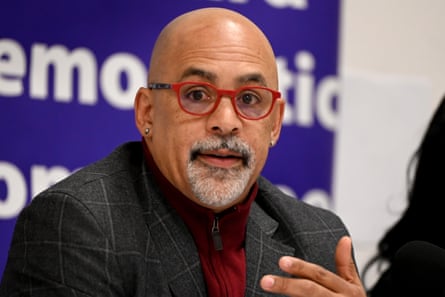
The question of campaign finance and corporate money in politics cuts to the heart of what Democrats believe the party should represent. Progressive challengers have made a point of refusing contributions from corporate PACs and wealthy individual donors, arguing this independence allows them to represent constituents rather than moneyed interests. Establishment candidates counter that refusing such support amounts to unilateral disarmament in a political landscape where well-funded opponents can dominate communication.
Democrats' disappointing 2024 performance has created space for these fundamental arguments about party direction and strategy. Conventional wisdom blamed various factors: messaging failures, demographic shifts, economic anxiety, or simple exhaustion with incumbent leadership. Different Democratic factions have drawn opposing conclusions from 2024, with progressives arguing for more ambitious, inspiring policies and establishment figures emphasizing the need for pragmatism and centrist appeal.
The Pennsylvania third district primary will test which vision resonates most powerfully with Democratic voters in one of the party's strongest regions. A victory for progressive insurgents could signal that Democrats should move further left on key policy issues and embrace transformative change. A victory for establishment-backed candidates would suggest that Democrats should maintain their current ideological positioning and focus on improved execution and messaging.
National Democratic Party leadership will be watching the results closely, as they navigate their own strategic decisions about the party's future direction. The outcome could influence endorsement decisions, resource allocation, and tactical messaging in other primary contests scheduled for the coming months. Depending on the result, Democrats may accelerate or decelerate their embrace of progressive policy proposals on key issues.
The turnout and composition of primary voters will matter significantly in determining the outcome. Progressive candidates have typically performed better when younger voters and more ideologically committed activists participate in meaningful numbers. Establishment candidates have traditionally drawn support from older, more moderate voters with longer histories of Democratic participation. The question of which coalition mobilizes more effectively could ultimately determine who advances to represent the district in 2026.
This primary represents a critical moment for Democratic Party self-reflection and strategic planning. The nation's bluest district offers an environment where Democrats can debate fundamental questions about values, priorities, and vision without worrying about general election outcomes in competitive districts. The answers voters in Pennsylvania's third district provide through their ballots will help shape Democratic direction not just locally but potentially across the broader political landscape heading into 2026.


