
San Diego Muslims Rebuild After Devastating Shooting

The Islamic Center of San Diego reopens its doors following tragedy, as the community unites to support victims and foster interfaith understanding.
The Islamic Center of San Diego stands as a beacon of resilience in the aftermath of an unspeakable tragedy. What was once a place of terror and uncertainty has now become a symbol of community strength and determination. As congregants and supporters gather to process their grief and chart a path forward, the center's reopening represents far more than a physical return to normalcy—it embodies the spirit of a faith community refusing to be defined by violence.
Teacher's assistant Iman Khatib vividly recalls the moment everything changed. While administering routine tests at the elementary school housed within the Islamic Center of San Diego campus, she heard the unmistakable sound of gunfire. Her training kicked in immediately—she locked the classroom door, extinguished the lights, silenced her phone and walkie-talkie, and crawled beneath her desk alongside a co-worker. The moment that followed tested not only her composure but the entire institution's preparedness protocols.
The children in nearby preschool classrooms, ranging from three to four years old, responded with a maturity that belies their age. They remained completely silent, huddling in designated corners, executing the safety procedures they had practiced during regular drills. The innocence of early childhood was shattered by the harsh realities of modern threats, forcing even the youngest members of the community to understand danger in ways no child should have to. Outside, the first-grade class, unaware of the tragedy unfolding, continued their recess until the first shot pierced the afternoon air.
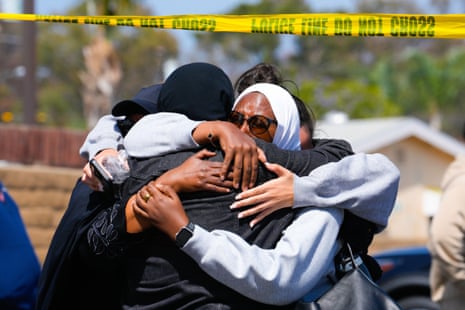
The mass shooting at the Islamic Center of San Diego sent shockwaves through the local Muslim community and beyond. Families who had chosen this institution as their spiritual home, their educational anchor, and their social gathering place suddenly found themselves grappling with profound questions about safety, belonging, and the future. The center, which had served as a sanctuary for interfaith dialogue and community integration, became the focal point of national attention and collective mourning.
In the immediate aftermath, the focus shifted to the practical and emotional needs of those directly affected. Families sought counseling services, administrators reviewed security measures, and community leaders convened emergency meetings. The San Diego Muslim community faced a critical juncture—they could retreat into isolation, or they could emerge with renewed commitment to their values of compassion and openness. Their choice became clear: they would not allow fear to divide them from their neighbors or diminish their mission.
The reopening of the Islamic Center was not rushed. Instead, it was methodical and intentional, with careful consideration given to the physical, emotional, and spiritual needs of returning members. Mental health professionals were made available, security enhancements were implemented, and a comprehensive support system was established. The center's leadership understood that true healing requires time, resources, and genuine commitment to addressing trauma at its root.
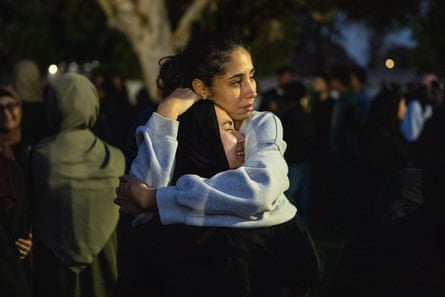
What emerged from this tragedy was a powerful message that resonated far beyond the San Diego Muslim community. During reopening ceremonies and subsequent gatherings, members spoke with remarkable clarity about their identity and place in American society. "We're just your neighbors," became a refrain echoing through speeches and conversations—a simple yet profound statement asserting that Muslims are integral members of the broader community, not outsiders to be feared or marginalized.
This narrative of normalcy and belonging was reinforced through action. The center actively invited interfaith visitors, hosted educational programs explaining Islamic traditions and practices, and facilitated dialogues between community members and law enforcement officials. These initiatives were not defensive in nature but rather proactive attempts to build understanding and strengthen the social fabric that binds diverse populations together.
The Islamic Center of San Diego shooting became a case study in how communities can respond to tragedy with dignity and purpose. Rather than allowing the incident to define their identity, center members channeled their pain into constructive engagement with their broader community. Schools held assemblies addressing tolerance and diversity, local businesses displayed messages of solidarity, and elected officials made commitments to enhanced security at religious institutions.
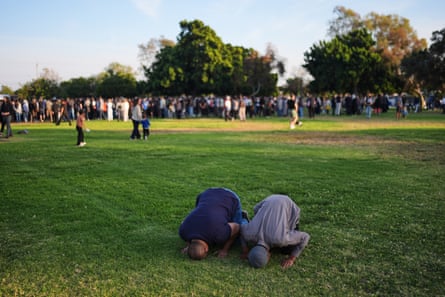
Leaders within the Muslim community San Diego emphasized that their faith teaches resilience in the face of adversity. Islamic teachings emphasize the importance of community support, charitable work, and maintaining hope despite challenges. These principles became actionable in the weeks and months following the tragedy, as volunteers organized fundraising events, counseling sessions, and community cleanup efforts.
The children who cowered in fear during the shooting became powerful ambassadors for healing. Their parents and teachers worked diligently to process the trauma while instilling age-appropriate understanding that most people are good and that fear should not govern their lives. Preschoolers who had practiced hiding drills returned to classrooms, their resilience proving remarkable and their presence a testament to the power of structure and care in recovery.
The Islamic Center reopening signified more than just physical reconstruction—it represented psychological and spiritual renewal. Community members spoke of finding strength in their faith, comfort in their traditions, and purpose in their collective response. The center became a place not just of mourning, but of active hope and commitment to building a more inclusive and compassionate society.
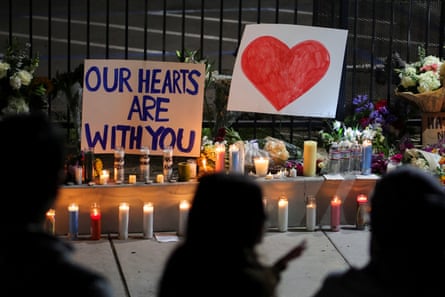
As weeks turned into months, the Islamic Center of San Diego evolved into a model for crisis response and community resilience. The center's leadership continued to emphasize the importance of interfaith dialogue and cross-cultural understanding. They hosted educational seminars, cultural celebrations, and open houses designed to demystify Islamic practice and highlight the shared values that bind people of different backgrounds together.
For those who experienced the shooting directly, healing remains an ongoing process. Counselors and support groups continue meeting regularly, acknowledging that trauma operates on its own timeline. Yet even as individuals process their experiences, the collective message from the Muslim community remains consistent: we will not be broken, we will not retreat, and we will continue to be the neighbors, educators, volunteers, and community members that this society needs.
The San Diego Muslim community's response to tragedy offers valuable lessons for the broader nation about resilience, integration, and the power of choosing compassion over fear. Their willingness to open doors both literally and figuratively, to invite dialogue and understanding, demonstrates that communities can move forward from even the darkest chapters. The Islamic Center of San Diego, once a site of trauma, has become a symbol of hope—a place where neighbors gather not despite their differences, but in recognition of their shared humanity.
Джерело: The Guardian


