
Turkey Arrests 500+ at May Day Worker Rallies

Turkish police deploy massively during May Day celebrations, arresting over 500 people at worker and union-led marches across the nation.
Turkey experienced a significant security response during its annual May Day commemorations, with police arresting more than 500 participants at worker demonstrations and union-organized rallies throughout the country. The May Day protests in Turkey represent one of the most heavily monitored public gatherings on the national calendar, drawing heightened law enforcement attention every year on May 1st as laborers and workers' organizations take to the streets to advocate for their rights and working conditions.
The scale of arrests reflects the Turkish police deployment strategy that has become routine during International Workers' Day celebrations. Each May 1st, the nation witnesses substantial police and security forces mobilized across major cities to manage the crowds and maintain order during the demonstrations. This annual tradition has created a complex dynamic between workers seeking to exercise their right to assembly and protest, and government authorities tasked with ensuring public safety and managing large gatherings.
May Day marches in Turkey typically feature participation from various worker organizations and labor unions that use the occasion to voice concerns about employment conditions, wage disputes, and broader labor rights issues. The demonstrations often take on political dimensions, with participants expressing viewpoints on government policies and economic management. These rallies have historically served as important platforms for the Turkish labor movement to make their grievances heard on a national and international stage.
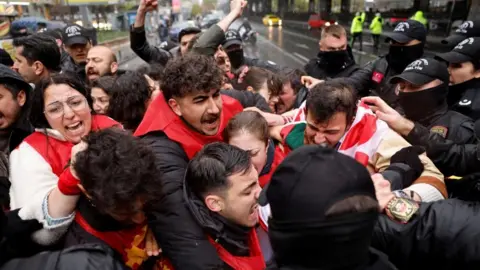
The Turkish government's May Day response involves coordination between multiple law enforcement agencies to ensure security during these potentially volatile gatherings. Police units are strategically positioned across protest routes and assembly points, equipped with riot control gear and surveillance capabilities. The security measures aim to prevent the kind of clashes and disturbances that have occasionally marked past May Day celebrations in Turkey, when tensions between demonstrators and law enforcement have escalated into confrontations.
Reasons for arrests during May Day demonstrations in Turkey typically include allegations of unauthorized assembly, disorderly conduct, inflammatory speech, or confrontations with security forces. Some participants are detained for violating specific regulations governing public demonstrations, which have been subject to varying interpretations and enforcement over the years. The Turkish authorities justify these enforcement actions as necessary to maintain order and prevent property damage or violence that could endanger public safety.
The international labor movement views these annual Turkish May Day events as significant indicators of workers' rights and freedoms of assembly in the country. Human rights organizations and labor advocates often monitor the situation closely, documenting arrest procedures and treatment of detainees to assess compliance with international standards regarding public protest rights. The scale of arrests and police response during May Day has become a closely watched metric by global observers evaluating Turkey's approach to civil liberties and democratic freedoms.
Istanbul, Ankara, and other major Turkish cities typically see the largest and most heavily secured May Day gatherings. These urban centers attract thousands of workers, union members, and political activists who view the demonstrations as essential expressions of solidarity and collective voice. The concentration of demonstrators in these areas necessitates significant police presence and coordination between different security agencies to manage the crowds effectively throughout the day.
The enforcement policies during Turkish May Day rallies have evolved over time, influenced by shifts in government approaches to public assembly and protest rights. Different administrations have taken varying stances on how strictly to regulate these demonstrations, leading to fluctuations in arrest numbers and enforcement intensity from year to year. This inconsistency reflects broader debates within Turkish society about the proper balance between maintaining order and protecting fundamental freedoms of expression and assembly.
Union leaders and worker representatives often engage in negotiations with authorities before May Day to establish ground rules for demonstrations and attempt to minimize confrontations. These pre-event discussions sometimes result in agreements regarding march routes, duration, and permitted activities, though tensions can still emerge during the actual events. The relationship between labor organizations and government bodies during May Day negotiations reveals much about the current state of industrial relations and social dialogue in Turkey.
International media coverage of Turkish May Day police actions often generates scrutiny regarding the proportionality of law enforcement responses and the protection of demonstrators' legal rights. Reports from international journalist networks and human rights monitors frequently examine whether arrest procedures follow proper legal protocols and whether detained individuals receive fair treatment. This external attention reflects global interest in how Turkey manages the intersection of public safety concerns and democratic freedoms during significant public gatherings.
The broader context of labor rights in Turkey influences the intensity and nature of May Day demonstrations each year. Economic conditions, employment levels, wage trends, and government policies all factor into the grievances that workers bring to May Day rallies. The annual demonstrations thus serve as a barometer of labor-management relations and economic satisfaction across Turkish society, with the nature and scope of protests reflecting underlying social and economic pressures.
Looking forward, Turkish authorities and labor organizations will likely continue their annual May Day dynamics, with police maintaining substantial deployments and demonstrators exercising their rights to public assembly and expression. The evolution of these events will depend on broader developments in Turkish politics, economics, and governance. Whether arrest numbers increase or decrease in future years will signal important trends regarding the government's approach to civil liberties and the labor movement's confidence in exercising democratic rights.
Джерело: BBC News


