
US to Guide Ships Through Strait of Hormuz

The US military deploys over 100 aircraft and 15,000 personnel to guide stranded vessels through the strategic Strait of Hormuz starting Monday.
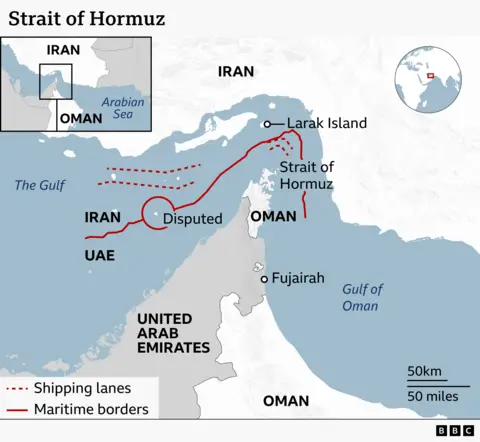
The United States has announced a significant military operation aimed at ensuring safe passage for commercial vessels through one of the world's most critical maritime chokepoints. The Strait of Hormuz, a narrow waterway separating Iran and Oman, serves as a vital conduit for global energy supplies, with millions of barrels of crude oil transiting through its waters daily. The decision to deploy American military assets underscores the geopolitical tensions and security concerns that continue to plague this strategically important region.
According to statements from US military leadership, the operation is scheduled to commence on Monday and will involve an unprecedented concentration of military resources. The deployment includes more than 100 aircraft representing various branches of the armed forces, ranging from fighter jets to reconnaissance and transport planes. Additionally, approximately 15,000 military personnel will be stationed throughout the region to coordinate and execute the mission, making this one of the largest American military mobilization efforts in the Middle East in recent years.
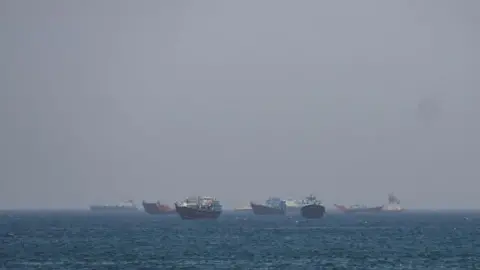
The operation has been framed as a protective measure designed to assist merchant vessels that have become stranded or face navigational challenges within the strait. Commercial shipping through this waterway has been subject to increasing disruptions, creating economic uncertainty for nations dependent on energy imports and exporters relying on maritime trade routes. The US initiative aims to restore confidence in the safety of international commerce and prevent further economic repercussions from shipping delays and security threats.
The Strait of Hormuz operation reflects broader American strategic interests in maintaining stability and open trade corridors in the Middle East. The region has witnessed escalating tensions between various actors, including state and non-state entities, which have occasionally targeted commercial shipping and threatened maritime security. By positioning substantial military resources in the area, the United States seeks to demonstrate commitment to upholding international maritime law and protecting vessels engaged in legitimate trade regardless of their flag state or cargo.
Military planners have structured the operation to provide multiple layers of security and support throughout the strait. Naval assets, including guided-missile destroyers and frigates, will patrol designated shipping lanes and provide immediate response capabilities to any vessels in distress. Aerial surveillance capabilities will offer real-time monitoring of maritime traffic, allowing military coordinators to identify potential hazards, navigate around dangerous areas, and respond swiftly to emerging threats or emergency situations requiring intervention.
The scale of this military mobilization underscores the importance of the Strait of Hormuz to global energy markets and international commerce. Approximately 20-30 percent of the world's petroleum passes through this narrow waterway, making any disruption to shipping lanes a matter of considerable concern for oil-importing nations worldwide. A single successful attack or significant disruption could send shockwaves through global energy prices and economic stability, affecting consumers and industries far beyond the Middle East.
The announcement of this operation has significant diplomatic implications, particularly concerning regional relationships and international perceptions of American military posture in the Middle East. While the stated purpose is to assist stranded vessels and ensure safe passage, the deployment cannot be separated from the broader context of American-Iranian tensions and the strategic competition for influence in the Gulf region. Other powers, including regional actors and international stakeholders, will closely monitor how this operation unfolds and what signals it sends regarding American commitment to regional stability.
Personnel involved in the operation have undergone specialized training to handle the unique challenges presented by the Strait of Hormuz environment. Military personnel will work alongside civilian maritime experts and international partners to coordinate shipping movements and manage the complex logistics of guiding multiple vessels through the narrow passage. The operation requires precise coordination between different military branches, real-time communication with commercial shipping operators, and constant adaptation to changing conditions within the strait.
The decision to launch this operation comes amid ongoing discussions about the future of maritime security in the Persian Gulf and the international community's role in protecting critical waterways. Some observers view the American intervention as a necessary step to prevent economic catastrophe and maintain global trade stability, while others express concerns about the militarization of commercial shipping routes and the potential for escalation. These differing perspectives reflect deeper disagreements about how international security challenges should be addressed in strategically vital regions.
The operation's success will depend heavily on effective communication and cooperation between American military forces, commercial shipping companies, and maritime authorities from countries whose vessels use the strait. Establishing clear protocols for shipping safety, maintaining constant vigilance against emerging threats, and providing transparent communication to international partners will be essential to achieving the operation's objectives. The military has indicated that it will work with existing international maritime organizations to ensure that the operation complements rather than conflicts with established international maritime practices and regulations.
Economic analysts have emphasized that the resumption of stable maritime traffic through the Strait of Hormuz carries significant implications for global oil prices and economic growth rates worldwide. Any extended disruption to shipping could trigger price spikes that ripple through economies dependent on affordable energy. The American military operation represents an attempt to prevent such disruptions and provide the stability necessary for global markets to function normally, protecting both American economic interests and the broader international economic system.
Looking forward, military officials anticipate that this operation may establish a precedent for how maritime security challenges are addressed in critical international waterways. The 15,000 personnel and 100+ aircraft represent a substantial commitment of American military resources, reflecting the seriousness with which policymakers view the situation. Whether this operation will ultimately resolve underlying security challenges or merely address symptoms of deeper regional instability remains to be seen as the mission unfolds over the coming weeks and months.
Джерело: BBC News


