
Aptera Finally Builds First Validation Models

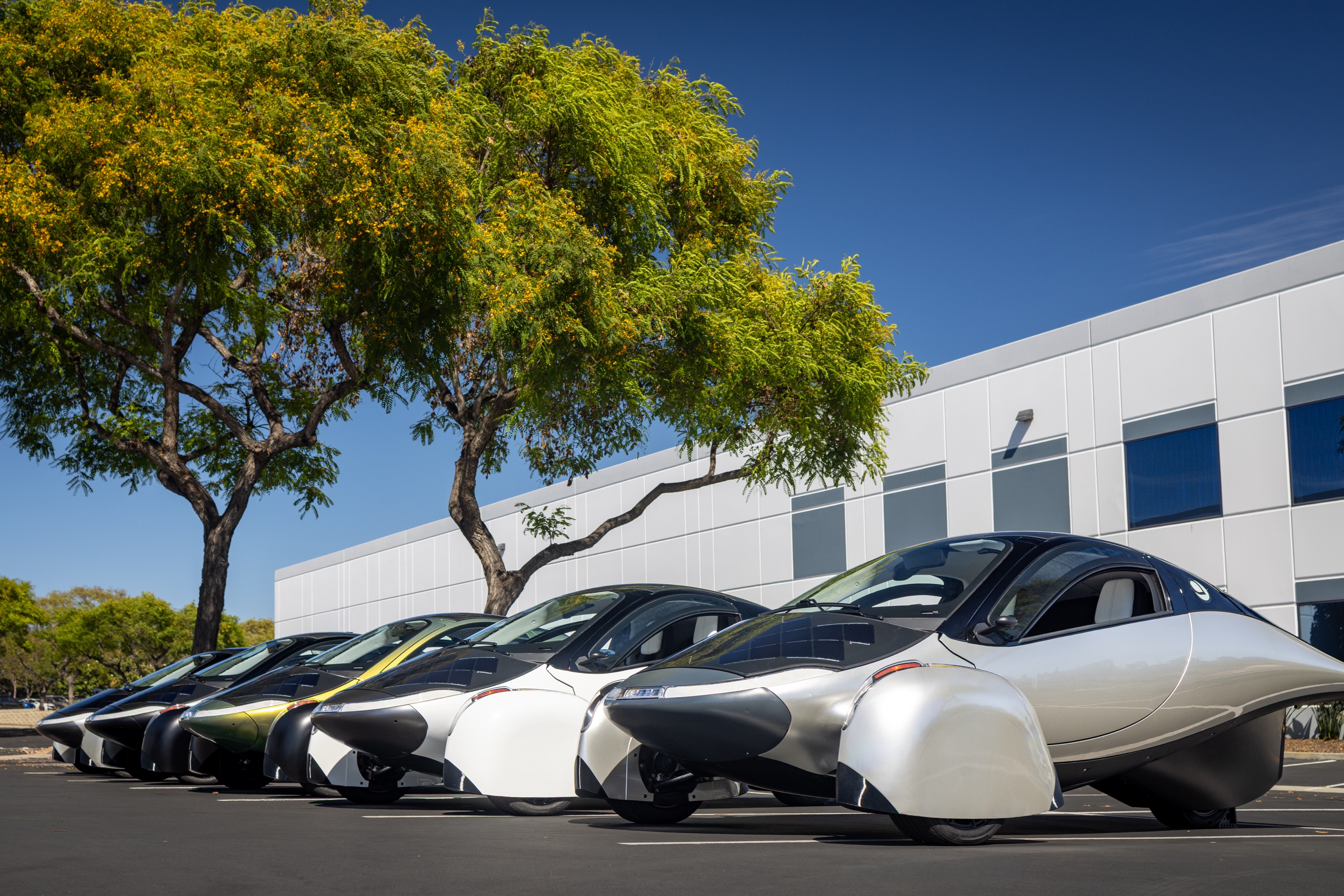
After nearly two decades of development, Aptera assembles its first five three-wheeled electric vehicles on its California production line, marking a significant milestone toward customer deliveries.
The electric vehicle industry has witnessed remarkable transformations over the past decade, yet few companies have endured as lengthy a development journey as Aptera Motors. While Chinese automakers have demonstrated an impressive ability to rapidly commercialize innovative vehicle designs, Aptera has taken a notably different path, spending nearly two decades perfecting its unique three-wheeled, ultra-efficient electric vehicle concept. This week marked a pivotal moment in the company's extended history as its first validation models rolled off the assembly line, signaling tangible progress toward bringing this long-anticipated vehicle to market.
The company's journey toward production has been anything but straightforward, filled with numerous challenges, pivots, and setbacks that tested the patience of investors and enthusiasts alike. Yet despite these obstacles, Aptera has persisted in its mission to create a revolutionary vehicle that prioritizes efficiency and sustainability. The assembly of five validation EVs this week represents far more than simply building cars; it demonstrates that the company has successfully transitioned from the design and engineering phase into actual production capability, a distinction that cannot be understated.
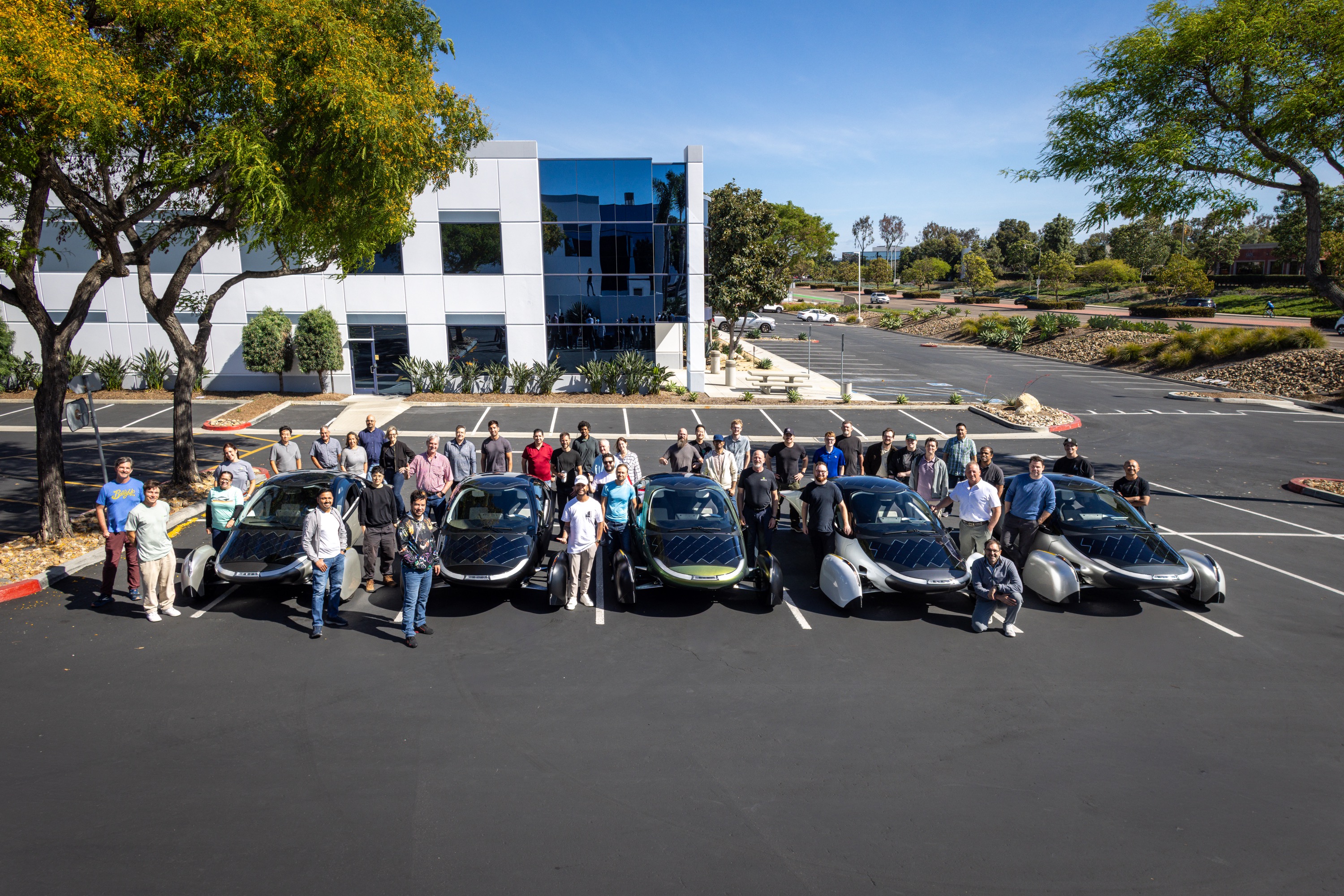
Located in Carlsbad, California, Aptera's new low-volume assembly line represents the culmination of years of planning and preparation. The vehicles produced at this facility travel through 14 distinct manufacturing stations, each designed to optimize quality control and production efficiency. This methodical approach reflects the company's commitment to establishing robust manufacturing processes that will support scaled production in the future.
Chris Anthony, one of the two co-CEOs leading Aptera Motors, expressed the significance of this milestone during a recent company statement. "Every vehicle we run through this line teaches us something," Anthony explained, highlighting the iterative nature of the manufacturing process. "With five vehicles now off the line, we have a growing foundation of data, a team that is getting sharper with every build, and a process that is proving itself in real time." This observation underscores a fundamental principle in automotive manufacturing: each production cycle generates invaluable insights that enhance subsequent builds.
The co-CEO went on to address the company's trajectory, stating, "That is what gives us confidence as we move toward our goal of customer deliveries." This statement carries particular weight given Aptera's extended timeline to reach this stage, as it demonstrates management's conviction that the company is finally on the right trajectory. For a company that has faced considerable skepticism throughout its existence, such confidence based on tangible manufacturing achievements represents an important psychological shift.
Steve Fambro, Aptera's other co-CEO, provided additional insight into the company's manufacturing philosophy and strategic approach. "What we are building here is not just vehicles but the system to build them well," Fambro stated, emphasizing that establishing reliable manufacturing processes ranks equally with producing the actual vehicles themselves. This perspective reflects a sophisticated understanding of automotive production, where process excellence ultimately determines whether a company can successfully scale operations and meet customer expectations.
Fambro elaborated on the continuous improvement methodology embedded within Aptera's production strategy. "Each cycle through the line improves precision, efficiency, and repeatability," he explained, describing the progressive refinement that occurs with every vehicle manufactured. This approach, often referred to as continuous improvement or kaizen in manufacturing circles, represents best practices observed in leading automotive production facilities worldwide. The principle recognizes that the production process itself must evolve and improve with each iteration.
The significance of achieving these validation models cannot be overstated within the context of Aptera's long development history. Since the company's founding in 2006, it has faced numerous obstacles including funding challenges, regulatory hurdles, and the inherent complexities of bringing a novel vehicle design to market. The ability to finally assemble vehicles on a dedicated production line signals that the company has cleared many critical hurdles and possesses the manufacturing infrastructure necessary to support customer deliveries.
The three-wheeled vehicle design that Aptera has championed distinguishes it from conventional electric vehicles in the marketplace. This unique configuration offers potential advantages in terms of aerodynamics, weight reduction, and energy efficiency compared to traditional four-wheeled designs. The vehicle's distinctive shape and engineering represent years of research and development focused on maximizing range while minimizing energy consumption.
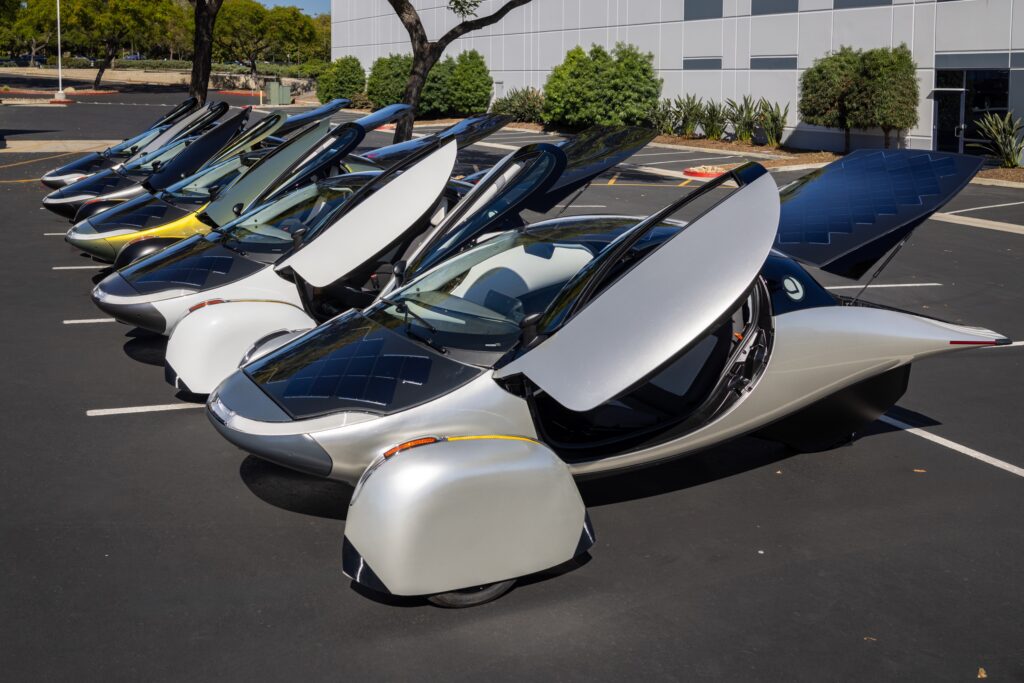
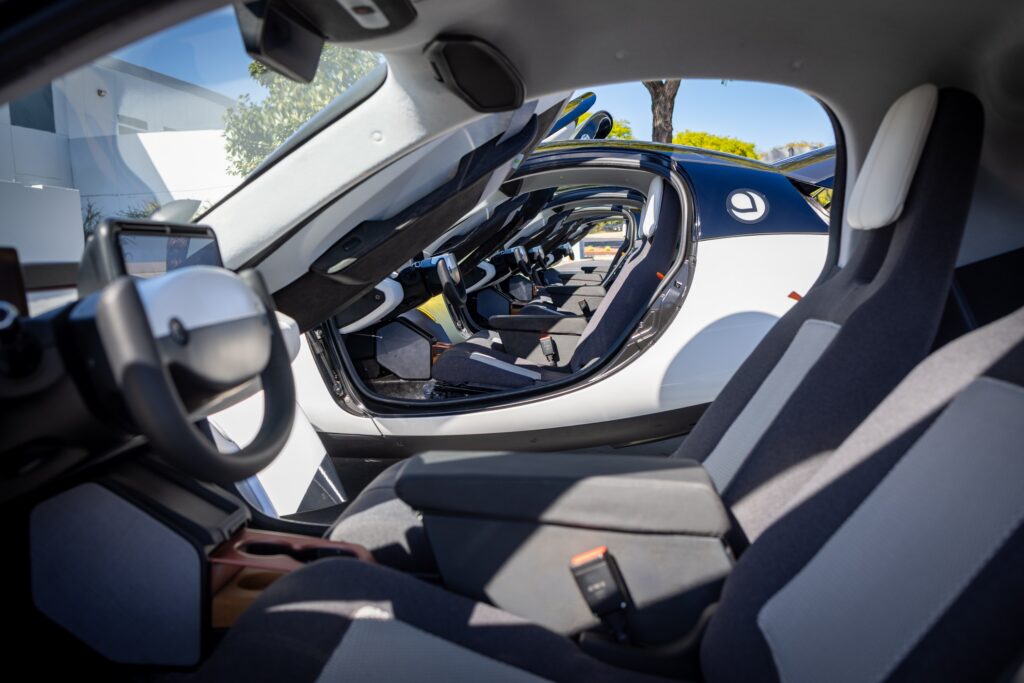
The validation models serve a specific purpose within the vehicle development and commercialization process. These initial production vehicles are subjected to rigorous testing and evaluation to ensure they meet established performance specifications, safety requirements, and quality standards. Data collected from these validation builds informs refinements to the manufacturing process, identifies potential issues before full-scale production, and validates that the design translates effectively from prototype to production reality.
Aptera's manufacturing team, assembled at the Carlsbad facility, will play a crucial role in the company's success moving forward. The statement from company leadership acknowledges that the team becomes "sharper with every build," recognizing that workforce experience and familiarity with the production process directly impact manufacturing quality and efficiency. As workers progress through additional production cycles, their expertise will deepen, and the manufacturing process will become increasingly refined.
The path forward for Aptera involves scaling from these initial validation models toward higher production volumes capable of fulfilling customer orders. However, the company must balance the desire to accelerate production with the necessity of maintaining quality standards and ensuring that manufacturing processes are robust and repeatable. This delicate equilibrium between speed and quality will significantly influence customer satisfaction and the company's long-term reputation in the marketplace.
Looking at the broader context of the electric vehicle industry, Aptera's achievement comes at a time when competition is intensifying significantly. Global automakers continue expanding their EV portfolios, while emerging manufacturers, particularly from China, are aggressively pursuing market share with innovative designs and competitive pricing. In this landscape, companies like Aptera must leverage their unique value propositions—in this case, exceptional efficiency and distinctive design—to establish a meaningful market position.
The transition from validation to full customer delivery involves multiple remaining steps, including continued testing and refinement, regulatory certifications, scaling of supply chains, and establishment of distribution channels. Nevertheless, the successful assembly of these first five validation models represents tangible evidence of progress toward making this long-anticipated vehicle available to customers. For those who have followed Aptera's extended development journey, this milestone provides reassurance that the company's ambitions are grounded in manufacturing reality rather than remaining purely conceptual.
来源: Ars Technica


