
Big Tech Embraces Cute Mascots in Brand Strategy

Why Apple, Microsoft, Google and other tech giants are investing heavily in cartoon mascots to humanize their brands and connect with audiences.
The technology industry has undergone a remarkable transformation in recent years, with some of the world's most influential companies recognizing the power of cute mascots to engage audiences and build emotional connections with consumers. Tech giants including Apple, Microsoft, Google, and numerous other industry leaders have strategically positioned cartoon characters at the forefront of their brand identities, fundamentally changing how they communicate with their customer base.
This shift represents a deliberate departure from the sterile, corporate imagery that once dominated the tech sector. Rather than relying solely on sleek product designs and minimalist logos, companies are now leveraging the universal appeal of mascot characters to create more relatable and memorable brand experiences. The trend reflects a deeper understanding of consumer psychology and the importance of humanization in building lasting brand loyalty.
Microsoft's investment in character-driven branding has been particularly evident through various initiatives over the years. The company recognized that mascot marketing could serve as a bridge between complex technological concepts and everyday users, making products and services feel more approachable and less intimidating. By introducing friendly, animated characters, Microsoft has successfully softened its corporate image while maintaining its position as a technology leader.

Google's approach to mascots has similarly demonstrated the effectiveness of this branding strategy. The search giant has developed various character-based campaigns that emphasize the playful, innovative aspects of its brand personality. These mascot campaigns help Google maintain its reputation as a forward-thinking company while making its technology feel less imposing to users of all ages and technical backgrounds.
Apple, historically known for minimalist design principles, has also embraced character-driven marketing in select campaigns and contexts. The company's selective use of animated mascots serves to reinforce specific product features or brand values while maintaining consistency with Apple's overall aesthetic vision. This balanced approach demonstrates that even companies with strong design philosophies can benefit from the emotional resonance that mascots provide.
The appeal of cute mascots extends beyond mere aesthetics. Consumer research consistently shows that people form stronger emotional bonds with brands that have recognizable character representatives. These mascots serve as focal points for brand narratives, making marketing messages more memorable and shareable across social media platforms. In an increasingly crowded digital marketplace, this distinction can be crucial for standing out from competitors.
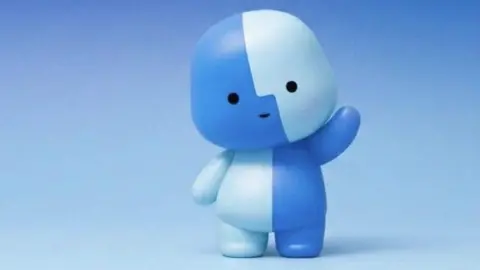
The psychology behind this trend is well-documented in marketing and behavioral science literature. Mascot branding taps into fundamental human tendencies toward anthropomorphism—the attribution of human characteristics to non-human entities. When consumers see a cute, well-designed character representing a brand, they're more likely to remember that brand, develop positive associations, and recommend it to others. This psychological mechanism makes mascots a powerful tool in the tech industry's marketing arsenal.
The rise of mascot-driven branding also coincides with the growing influence of social media on consumer behavior. Characters that can be easily animated, shared, and adapted across different platforms have become invaluable assets for tech companies looking to increase engagement. These mascots can star in viral videos, appear in interactive content, and become subjects of fan communities—all of which amplify brand visibility and loyalty in ways that traditional advertising cannot match.
Different companies have approached mascot creation with varying levels of success, demonstrating that execution matters as much as the concept itself. The most effective mascot characters are those that authentically reflect the company's values and personality while maintaining broad appeal across demographic groups. When done well, mascots can become cultural icons in their own right, transcending their original marketing purpose to become genuinely loved by audiences.

The investment in mascot development requires careful consideration of design, voice, personality, and backstory. Tech companies typically work with talented animators, designers, and storytellers to create characters that are not only visually appealing but also compelling narratives. This multidisciplinary approach ensures that mascots can carry brand messaging effectively across various media formats and consumer touchpoints.
Industry observers note that the mascot trend in technology is likely to continue growing in the coming years. As competition intensifies and consumers seek more meaningful connections with the brands they support, companies that successfully deploy character-based marketing strategies are likely to gain competitive advantages. The trend also reflects broader shifts in how technology companies view their relationship with consumers—not as distant innovators, but as friendly, approachable entities invested in improving daily life.
The adoption of cute mascots by major tech players also signals recognition of the importance of brand personality in consumer decision-making. Rather than leading with technical specifications and feature lists, companies are increasingly prioritizing emotional connections and relatability. This approach proves particularly effective when introducing new products or services that require consumer education and adoption, as mascots can make unfamiliar concepts feel safer and more inviting.
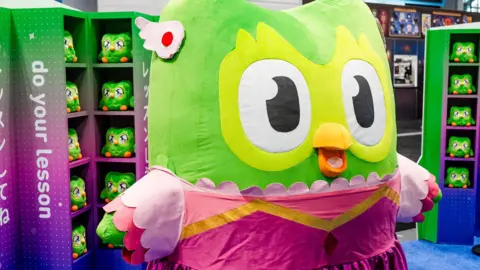
Looking ahead, the mascot branding strategy employed by Apple, Microsoft, Google, and other tech giants will likely evolve to incorporate emerging technologies such as augmented reality and artificial intelligence. Interactive mascots that can respond to user inputs and provide personalized experiences represent the next frontier in character-driven branding. This evolution will enable even deeper engagement between brands and consumers, creating immersive experiences that go beyond traditional marketing channels.
The phenomenon of tech companies embracing cute mascots ultimately represents a maturation of the industry's understanding of consumer psychology and brand dynamics. As technology becomes increasingly embedded in everyday life, companies recognize that technical superiority alone is insufficient to capture market share and consumer loyalty. By investing in compelling mascot characters, tech giants are sending a clear message that they understand their customers as human beings with emotional needs, not merely as consumers of products and services.
来源: BBC News


