
Brexit Revival: What Britain Really Wants from Europe

A decade after the referendum, British politics grapples with Brexit's legacy as EU leaders signal openness to closer ties. What does the UK's future hold?
The Brexit debate has resurfaced in British politics with renewed intensity, reigniting discussions about the nation's relationship with the European Union a full decade after the divisive 2016 referendum. Recent statements from prominent political figures suggesting that Britain's future may lie closer to European integration have sparked widespread debate across the country. The timing of these remarks underscores how the fundamental question of Britain's place in Europe remains unresolved despite years of negotiations and formal separation from the EU bloc.
European leaders have indicated a willingness to explore deeper connections with the United Kingdom, but with an important caveat: Britain must first articulate a clear understanding of what closer EU relations would mean in practice. This reflects a pragmatic approach from the continent, where officials recognize that any meaningful rapprochement requires clarity from Westminster about strategic objectives and long-term intentions. The European perspective suggests that vague sentiment towards rejoining or deepening ties is insufficient without concrete policy frameworks and public consensus.
A decade has passed since the referendum that fundamentally altered Britain's political landscape, yet the identity politics unleashed by the vote continues to dominate discourse. The remain versus leave divide has proven remarkably durable, creating a national schism that extends far beyond mere policy disagreements. This deep polarization has prevented the development of cohesive national strategy regarding European engagement, leaving Britain in a state of political ambiguity regarding its international role.

The wounds inflicted by Brexit referendum divisions continue to shape British society in profound ways. What began as a straightforward question about European Union membership evolved into a broader contest over national identity, sovereignty, and Britain's role in the modern world. The political landscape has been reshaped by this fault line, with traditional party alignments disrupted and new coalitions formed around the central question of Britain's European future.
Contemporary polling and political analysis suggest that public opinion has undergone subtle shifts since the 2016 vote, with some surveys indicating changing perspectives on European integration. However, these shifts remain contested and subject to different interpretations depending on methodology and framing. The challenge for political leaders is determining whether these changes represent genuine movement towards consensus or merely the natural fluctuation of public opinion over time.
The European Union's cautious openness to British reengagement comes with implicit conditions that deserve serious examination. EU policymakers have signaled that Britain would need to demonstrate commitment to European values and integration frameworks, not simply geographic proximity. This requires understanding what the "European deal" encompasses—trade relationships, regulatory alignment, security cooperation, and potential future political structures.
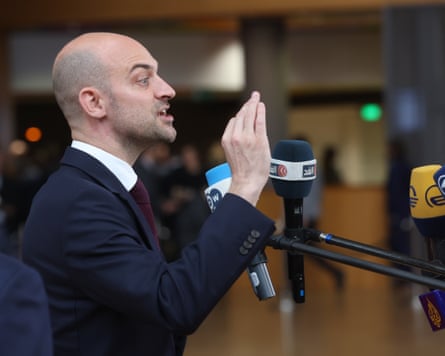
Britain's political establishment faces a critical juncture in determining national strategy regarding European engagement. The current moment offers an opportunity to move beyond the rigid binary thinking that characterized the original referendum campaign and develop nuanced policies reflecting contemporary realities. This would require acknowledging legitimate concerns from both sides of the debate while focusing on tangible benefits and challenges.
The economic dimensions of Britain's relationship with Europe cannot be overlooked in these discussions. Trade relationships, investment patterns, and regulatory frameworks have shifted significantly since formal Brexit implementation. Understanding the quantifiable impacts—both positive and negative—provides essential context for evaluating potential future arrangements with European partners.
Security cooperation represents another critical dimension of potential British-European engagement that warrants serious consideration. NATO and other multilateral frameworks have provided structures for cooperation, but deeper European integration would involve additional security architecture and shared decision-making processes. British political leaders must articulate clear positions on these matters rather than relying on vague aspirations.
The generational dimension of the Brexit divide adds complexity to contemporary discussions about Britain's European future. Younger voters who were largely on the remain side continue to express different priorities than older voters who supported leaving. Any sustainable resolution to Britain's European question must grapple with these demographic realities and divergent visions of the nation's future.
Public discourse about potential reengagement with Europe must move beyond emotional appeals and address practical questions about governance, representation, and shared institutions. What specific arrangements would serve British interests? How would parliamentary sovereignty be preserved or redefined? What trade-offs would be acceptable to the public? These questions require systematic examination rather than political sloganeering.
The role of political leadership in shaping national conversation about European engagement cannot be understated. Leaders who articulate clear visions and acknowledge legitimate concerns from multiple perspectives have greater potential to build consensus. The current political moment presents an opportunity for such leadership, though it requires courage to move beyond established tribal divisions.
International observers have noted that Britain's ongoing uncertainty about its European role creates complications for broader European strategic planning. The continent faces significant challenges ranging from security threats to economic competition, and European leaders would prefer clarity about Britain's intentions rather than protracted ambiguity. This external pressure may ultimately force domestic political resolution of these fundamental questions.
The media narrative surrounding potential Brexit reversal reflects deeper uncertainties about British national identity and international positioning. Coverage alternates between excitement about potential reengagement and skepticism about the feasibility of reversing previous decisions. This oscillation mirrors genuine public confusion about the nation's desired trajectory.
Moving forward, Britain requires a serious, sustained national conversation about its European future that transcends partisan politics and acknowledges legitimate perspectives from across the political spectrum. This conversation must be grounded in empirical analysis of economic, security, and political factors rather than nostalgic sentiment or rigid ideology. Only through such engagement can the nation develop a coherent strategy that commands public understanding, if not universal agreement.
来源: The Guardian


