
随着世界卫生组织升级风险,刚果民主共和国埃博拉病例激增

世卫组织将威胁评估提高至“非常高”,刚果民主共和国疑似埃博拉病例在一周内增加两倍,达到近 750 例。
The Ebola outbreak in the Democratic Republic of the Congo has reached alarming levels, prompting the World Health Organization to escalate its threat assessment to "very high" status on Friday.卫生官员将这种情况描述为“令人深感担忧”,并指出多种复合因素阻碍了这个中非国家的遏制工作。疫情形势的迅速恶化引发了人们对进一步区域蔓延和人道主义灾难的可能性的严重担忧。
The scale of the DRC Ebola crisis has expanded dramatically in just seven days, with suspected cases now numbering approximately 750 compared to merely 246 cases reported just one week prior. This represents a tripling of confirmed and suspected infections in an extraordinarily short timeframe, indicating exponential growth in transmission rates. Similarly, suspected deaths have surged to 177 fatalities, more than doubling from the initial 65 deaths documented at the outbreak's first official report.
世卫组织官员将局势迅速升级归因于实地应对小组面临的多重挑战。 The organization highlighted that aid cuts have significantly reduced resources available for outbreak containment, vaccination campaigns, and community education initiatives. Additionally, community distrust remains a critical obstacle, as some residents in affected areas remain skeptical of medical interventions and preventive measures, further complicating disease control efforts.
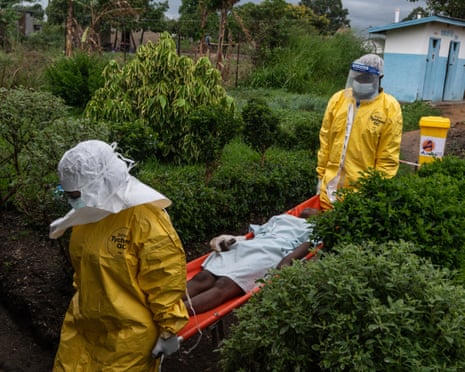
The Democratic Republic of the Congo has struggled with maintaining adequate funding for public health infrastructure even before this latest outbreak emerged. Budget constraints have left healthcare facilities ill-equipped to handle the influx of Ebola patients requiring intensive isolation and specialized treatment protocols. The shortage of properly trained medical personnel, protective equipment, and diagnostic facilities has created dangerous conditions that threaten both patients and healthcare workers attempting to combat the virus.
事实证明,在这次疫情中,社区参与尤其成问题,一些地区的居民对政府和国际卫生当局表示深深的怀疑。 Historical grievances stemming from previous medical interventions and perceived exploitation have fostered an environment of mistrust that threatens vaccination efforts and contact tracing operations.这场危机的社会学层面给本已充满挑战的流行病学形势增添了另一层复杂性。
导致当前疫情爆发的埃博拉病毒以其毁灭性的死亡率而闻名,某些毒株的死亡率可能超过 50%。病毒通过直接接触感染者的血液或体液以及受污染的表面传播。 Given the high population density in affected areas and limited healthcare infrastructure, transmission chains have proliferated rapidly throughout multiple provinces.
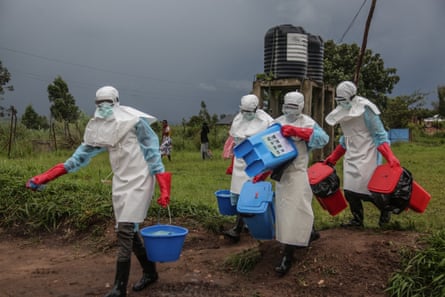
世界卫生组织修订后的威胁评估反映了人们对疫情潜在轨迹和区域扩张能力的日益担忧。 Officials emphasized that without substantial increases in funding, personnel deployment, and community cooperation, the epidemic could continue accelerating at its current alarming pace. The organization has called on international partners to increase support for response efforts and emphasized the critical importance of immediate action.
尽管采取了防护措施,部署到受影响地区的医护人员仍面临着巨大的风险。许多设施缺乏足够的检疫能力,迫使工作人员利用有限的资源制定遏制策略。由于在持续时间和解决时间表不确定的长期疫情应对过程中出现疲劳,应对人员的心理损失也有所增加。
疫苗接种活动在以往的埃博拉疫情中被证明是有效的,如果实施得当,但由于后勤挑战和疫苗犹豫不决,在大规模推广方面面临障碍。事实证明,偏远地区的冷链维护很困难,而且到达分散人群的复杂性也限制了免疫工作。对医护人员和高危接触者进行战略性疫苗接种理论上应该会中断传播链,但实施却落后于流行病学的需求。
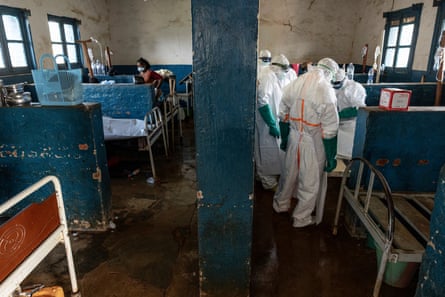
疫情爆发的经济影响超出了直接的医疗成本,还影响到受影响地区的贸易、就业和粮食安全。检疫措施和行动限制扰乱了本已在脆弱经济环境下经营的小农的农业活动和市场准入。再加上严重的资金短缺困扰着应对工作,社会经济后果随着流行病学危机而继续加剧。
国际社会对疫情的关注虽然有所增加,但尚未转化为与紧急情况规模相称的资源分配。世界卫生组织发布了指导意见,强调需要采取协调一致的多边行动,包括部署更多的流行病学家、实验室技术人员和后勤支持人员。然而,官僚主义的拖延和相互竞争的全球卫生优先事项限制了国际响应动员的速度。
刚果民主共和国的局势凸显了全球疾病监测和快速反应机制的根本脆弱性。该国之前应对埃博拉疫情的经验提供了重要的教训,但系统性弱点仍未得到充分解决。展望未来,卫生当局强调,防止未来大规模疫情爆发需要持续投资,加强整个脆弱地区的初级卫生保健能力和社区参与框架。
世界卫生组织继续密切监测局势,并与国家当局建立协调机制,以提高应对有效性。由于预计可能出现跨境传播,该地区邻国已加强了本国的监控活动。国际社会面临着加速资源调动和战略干预部署来遏制疫情爆发的关键窗口。
来源: The Guardian


