
英格兰将通过新法案禁止在学校使用手机

政府通过修订儿童福利法案,对学校内使用手机实行法定禁令。新立法用可执行的规则取代了现有的指导。
The government has announced plans to introduce a statutory ban on mobile phones in schools across England, marking a significant shift in how educational institutions manage student device usage. This comprehensive policy change will be implemented through a formal amendment to the children's wellbeing and schools bill, which lawmakers will present to the House of Lords. The move represents the government's commitment to addressing mounting concerns about the impact of smartphones on student wellbeing, academic performance, and school safety.
Officials have emphasized that the mobile phone ban in schools is essential to ensure that "critical safeguarding legislation" can proceed without further delays. The amendment comes after the original bill faced considerable opposition from peers on the opposition benches, who raised various concerns about the proposal's scope and implementation. By incorporating the phone ban directly into the legislation, the government aims to streamline the process and prevent additional parliamentary holdups that could delay crucial child protection measures.
The decision to pursue a statutory ban rather than guidance reflects a recognition that voluntary compliance has proven insufficient in addressing the widespread presence of mobile devices in classrooms. Previous non-binding recommendations have failed to create consistent standards across schools, with many institutions struggling to enforce informal policies effectively. The statutory approach will establish legally binding requirements that all schools must follow, creating uniform standards nationwide and eliminating discrepancies between different educational settings.
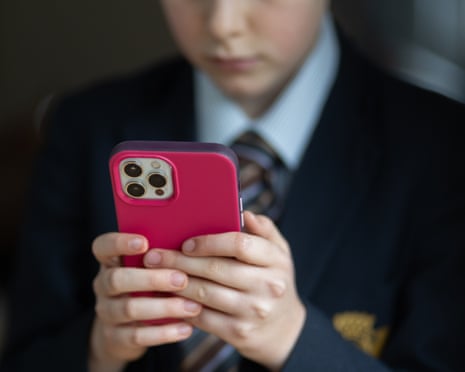
This legislative move responds to growing evidence suggesting that smartphone use affects student learning outcomes and mental health. Educational researchers have documented how mobile phone distractions contribute to reduced concentration, lower academic achievement, and increased anxiety among young people. Schools have reported that managing phone use during instructional time consumes significant administrative resources and creates ongoing disciplinary challenges that distract from educational objectives.
The bill's amendment process highlights the complex nature of education policy in the UK Parliament, where competing priorities and stakeholder interests often create procedural obstacles. The House of Lords serves as a crucial check on legislation, allowing peers to scrutinize bills thoroughly and raise important considerations that the Commons may have overlooked. However, when bills become stalled by procedural disputes, the government must find creative legislative solutions to move forward, which in this case involves incorporating the phone ban directly into the broader children's wellbeing framework.
Proponents of the school phone ban argue that removing devices from classrooms will create more conducive learning environments and reduce cyberbullying, particularly through social media platforms accessible via smartphones. Teachers have reported that students frequently use phones to photograph and share embarrassing moments of classmates online, contributing to psychological harm and social division. Additionally, the constant availability of phones enables cheating during assessments and promotes dependency on digital validation through likes and comments, undermining students' ability to engage authentically with their education.
The safeguarding dimension of this legislation cannot be overstated, as mobile phones present both protective and risk factors for children's safety. While phones can enable students to contact emergency services or trusted adults during crises, they also facilitate inappropriate contact from adults, exposure to harmful content, and pressure from peers to share sensitive images.学校越来越多地记录了手机引发掠夺性行为的案例,包括诱骗和性勒索,因此需要在教育环境中采取更强有力的保护措施。
实施手机禁令立法将要求学校制定明确的政策,规定学生在上课期间何时以及如何使用其设备。许多机构需要投资安全存储解决方案,建立紧急通信程序,并对工作人员进行执行策略培训。政府可能会提供指导,以适应对手机有合法需求的学生,例如管理医疗状况或使用特定无障碍应用程序的学生,确保该政策不会无意中使弱势学习者处于不利地位。
该修正案将其纳入儿童福祉和学校法案,将手机禁令视为保护年轻人身心健康的更广泛承诺的一部分。该立法涉及儿童福利的多个层面,认识到学校环境必须是安全、支持性的空间,让学生可以专注于学业和个人发展,而不受移动技术普遍干扰。通过将此政策纳入全面的保护立法中,政府表明设备管理是整个学校安全和学生保护战略不可或缺的一部分。
反对声音对实施此类限制表示担忧,质疑绝对禁令是否是教导学生负责任地使用技术的最平衡方法。一些教育工作者认为,完全禁止可能会阻止青少年发展成年后所需的健康的数字素养和决策技能。隐私权倡导者还担心学校在紧急情况或个人危机期间限制学生使用通信设备的影响。
政府决定采取法定措施而不是咨询措施,这表明人们有信心电话限制的好处超过了这些担忧。几所英语学校的试点项目表明,在实施严格的电话政策后,学生注意力、行为事件和社交互动有了显着改善。这些基于证据的结果增强了政府的信心,即广泛的禁令将在整个教育系统产生重大的积极成果。
该修正案在议会获得通过的时间表仍不确定,因为上议院需要对拟议的变更进行辩论和投票。政府将电话禁令纳入关键的保护立法的战略位置表明,即使有些人不同意具体修正案,同行也会优先考虑推进基本的儿童保护措施。一旦通过,学校可能会有一个过渡期来制定实施策略并向学生、家长和教职员工传达新政策。
英格兰学校电话禁令代表了限制教育环境中设备使用的国际趋势的一部分。法国、瑞典和澳大利亚等国也实施了严格程度不同的类似政策,为英国如何构建和执行此类限制提供了潜在的模式。这些国际案例表明,人们越来越认识到学校中的设备管理对于保护青少年福祉和创造最佳学习环境至关重要。
在议会审议这项修正案时,潜在的辩论反映了更广泛的社会问题,即儿童与技术的关系以及机构建立健康界限的责任。 对学校手机进行法定监管的举措承认,个人学校选择和家长指导已被证明不足以解决无处不在的智能手机接入带来的系统性挑战。这种立法方法代表了一项集体决定,即保护年轻人的教育经历和心理健康需要比自愿措施提供更强有力的干预。
来源: The Guardian


