Indigenous Evacuees Confined to Compound Amid NT Floods

Hundreds of Indigenous residents evacuated from remote NT communities after record flooding are housed behind fences with restricted movement and visitor access.
Hundreds of evacuees from remote Indigenous communities in the Northern Territory have been housed behind temporary fences and subjected to strict visitor restrictions after being forced to abandon their homes during the most severe wet season in living memory. The emergency accommodation arrangements have drawn criticism from evacuees and advocacy groups who describe conditions at the housing compound as restrictive and degrading, comparing the setup to detention facilities rather than temporary emergency shelter.
The Daly River flooding crisis reached catastrophic levels in March when the waterway peaked at an unprecedented 23.93 metres, shattering all previous records and forcing families from the communities of Palumpa and Nauiyu to flee their residences for the second time in just four weeks. This extreme weather event has exposed the vulnerability of remote Indigenous settlements to climate-related disasters and raised serious questions about emergency response protocols and the treatment of displaced persons during natural disasters.
Residents housed at the emergency compound are required to sign in and out through a security gate, a measure that effectively restricts their freedom of movement and has sparked concerns about their autonomy and dignity during an already traumatic period. Security personnel routinely conduct searches of vehicles and personal belongings, further limiting privacy and creating an atmosphere of surveillance that many evacuees find oppressive and unnecessary given the humanitarian nature of the situation.

The emergency housing arrangements have become increasingly controversial as reports emerge of the challenging conditions evacuees are enduring while displaced from their traditional lands. Families have expressed frustration with the restrictive policies, noting that the compound's security measures treat vulnerable flood victims like prisoners rather than people who have already suffered significant losses from the natural disaster. Community leaders have called for immediate improvements to the accommodation facilities and a reassessment of the rules governing resident movement and access.
The wet season conditions that led to this crisis have been described by meteorological experts as among the most destructive in recorded history for the Northern Territory region. Record rainfall and unprecedented river levels have overwhelmed the capacity of existing emergency response systems, leaving authorities struggling to provide adequate shelter and support services to displaced Indigenous populations. The extreme weather events have also highlighted the disproportionate impact of climate-related disasters on remote and vulnerable communities.
Indigenous rights advocates have raised serious concerns about the compound accommodation policy, arguing that it violates basic principles of human dignity and freedom of movement. The restrictions placed on evacuees appear particularly troubling given that these individuals have already endured the trauma of losing their homes and being separated from their communities. Advocates have called for the implementation of more humane emergency housing solutions that respect the rights and autonomy of affected residents.
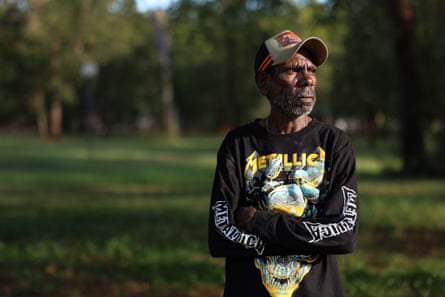
The second evacuation within a month has created additional hardship for residents of Palumpa and Nauiyu, who had only recently returned to their communities following the first flooding event. The psychological toll of repeated displacement cannot be overstated, as families face uncertainty about when they will be able to return home and what damage awaits them in their communities. Many residents have expressed exhaustion and frustration with the emergency management response and the conditions they are being forced to endure.
The Daly River flooding event represents one of the most significant hydrological events in Northern Territory history, with implications that extend far beyond the immediate humanitarian crisis. Climate scientists have noted that such extreme weather events are becoming more frequent and severe due to changing climate patterns, suggesting that remote Indigenous communities may face increasingly frequent displacement in coming years. This reality underscores the urgent need for long-term planning and investment in climate-resilient infrastructure for vulnerable populations.
Questions have been raised about the adequacy of emergency response planning and resources dedicated to protecting remote Indigenous populations during natural disasters. Government agencies responsible for emergency management have faced criticism for the restrictive compound conditions and what some describe as inadequate support services provided to evacuees. Officials have justified the security measures as necessary for managing large numbers of displaced residents, but this explanation has done little to assuage concerns from affected communities and advocacy organizations.
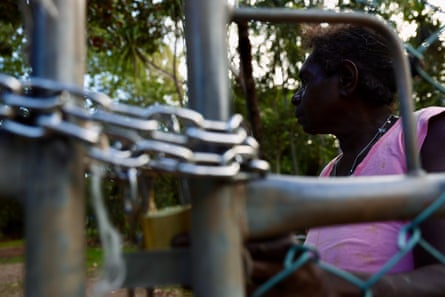
The situation highlights broader systemic issues related to how remote Indigenous communities are treated during emergency situations and the extent to which their rights and dignity are prioritized in crisis response planning. Community members have called for greater involvement of local leaders and Indigenous organizations in designing and implementing emergency response strategies that respect cultural values and individual autonomy. The current approach to temporary housing and evacuee management has been criticized as top-down and dismissive of community input.
As the floodwaters gradually recede and communities begin assessing damage to homes and infrastructure, attention is turning to questions about reconstruction, community support, and long-term resilience planning. The experiences of evacuees during this crisis will likely inform future emergency response protocols and potentially lead to policy changes designed to better protect and respect the dignity of displaced persons. Indigenous leaders and government officials are expected to engage in discussions about improving emergency management practices to prevent similar situations from occurring in future disasters.
The Northern Territory wet season and its unprecedented flooding have served as a stark reminder of the vulnerability of remote settlements and the critical importance of adequate emergency preparedness and response systems. As climate change continues to intensify weather patterns and increase the frequency of extreme events, communities must work together to develop more effective and humane approaches to disaster management. The treatment of evacuees during this crisis will likely shape public discourse about Indigenous rights, emergency management, and climate adaptation in Australia for years to come.