
Minority Groups Fear Rise in Racism After Reform UK Gains

Communities across Birmingham express concerns about increased hostile rhetoric following Reform UK's election success, as the party emerges as largest council faction.
Members of minority communities in Birmingham and across the United Kingdom are expressing deep concerns about a potential surge in discriminatory rhetoric and hostility following the recent local election results. The election outcome has sparked significant anxiety among vulnerable populations, who worry that the political landscape shift could embolden those with extremist views and lead to an escalation in racial tensions within their neighborhoods.
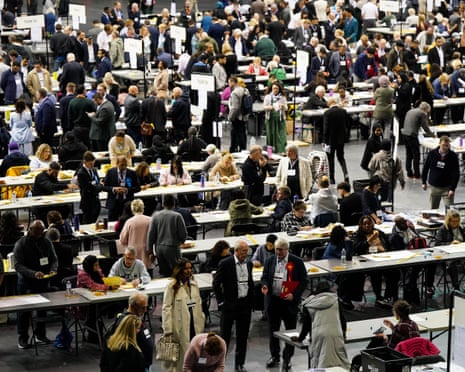
At the election count held at Birmingham's Utilita Arena on Friday evening, outgoing Labour council leader John Cotton delivered a striking concession speech that reflected the gravity of the moment. "What I would encourage the next administration in this city to do, whatever form that administration takes, is that it ensures it champions the diversity of this city," Cotton said, his words carrying an implicit warning about the importance of protecting the city's multicultural character during the transition period.
The election results represented a dramatic political realignment in the city. Labour's 14-year rule of Birmingham's local authority came to an abrupt end, marking the conclusion of a lengthy period of consistent governance by the left-leaning party. Reform UK emerged as the largest single party following the vote, securing 22 councillor seats so far, with the Greens capturing 19 seats. However, both parties remain significantly short of the 51 seats needed to command an outright majority on the council, creating uncertainty about the composition and direction of the next local administration.
The rise of Reform UK in local elections has generated considerable apprehension among community leaders, civil rights advocates, and residents from ethnic minority backgrounds. Historical patterns suggest that electoral gains by populist or nationalist parties can sometimes correlate with increases in reported hate crimes and discriminatory incidents within affected communities. Social research organizations and community groups have documented this phenomenon in previous electoral cycles, prompting legitimate concerns about what might unfold in the coming months.
Community organizations and civil society groups representing South Asian, Black African, and other minority populations have begun preparing contingency plans and support networks in anticipation of potential increases in hostile encounters. These groups are strengthening communication channels, documenting incidents more rigorously, and ensuring that members know how to report concerning behavior to appropriate authorities. The proactive stance reflects a determination to protect community members while the political situation develops.
Concerns about racism and discrimination are not merely speculative but rooted in documented experiences from other regions and previous election cycles. Research institutions and hate crime monitoring organizations have observed correlations between certain political movements gaining prominence and subsequent increases in reports of xenophobic incidents, hate speech, and discriminatory behavior. These patterns have informed the cautionary approach being taken by community leaders in Birmingham.
The timing of these concerns coincides with a broader period of heightened political polarization across the United Kingdom. Election results in various regions have shown shifting voter preferences and growing support for parties with more nationalistic or populist platforms. This national trend has manifested differently across various constituencies and local authorities, but the pattern of change has sparked discussions about what such shifts might mean for social cohesion and community relations at the grassroots level.
John Cotton's deliberate emphasis on championing diversity in his concession speech underscores the importance that community leaders place on this issue. His comments suggest awareness that the transition of power presents a critical moment for reaffirming commitment to inclusive values and equal treatment of all residents regardless of ethnicity, religion, national origin, or other protected characteristics. The outgoing leader's remarks appear designed to set a tone for the incoming administration.
Local government administrations in diverse cities like Birmingham carry substantial responsibility for setting the tone on inclusivity and community relations. The council's policies, public statements, allocation of resources to community organizations, and response to incidents of discrimination all send signals about whether minority populations will feel welcomed, protected, and valued. These factors influence both actual safety and the sense of belonging that community members experience in their neighborhoods.
The uncertainty about which party or coalition will ultimately form the next administration adds another layer of complexity to the situation. With Reform UK holding 22 seats and the Greens holding 19 seats, neither party can govern alone, and negotiations will likely determine the final configuration of power. The composition of the administration that emerges from these negotiations could significantly influence how effectively minority community concerns are addressed and prioritized.
Minority group leaders have indicated their intention to engage constructively with whichever administration emerges, while also making clear their expectation that civil rights protections and commitments to equality will remain non-negotiable. This approach reflects a desire to work collaboratively with elected officials while firmly establishing boundaries around what minority communities will and will not accept in terms of discriminatory policies or rhetoric.
The situation in Birmingham is being closely watched by community organizations, civil rights monitors, and policymakers across the United Kingdom. How the city navigates this period of political transition, and whether community relations remain stable or deteriorate, could provide important lessons and precedents for other local authorities facing similar shifts in their political landscapes. The choices made by Birmingham's next administration regarding diversity, inclusion, and equal treatment will carry implications that extend well beyond the city's boundaries.
As the weeks ahead unfold and council negotiations progress, minority communities in Birmingham and beyond will continue monitoring developments with understandable vigilance. The fundamental question at stake is whether the city's historic commitment to celebrating and protecting its diverse population will persist through this political transition, or whether the changing electoral landscape will herald a shift toward less inclusive governance and attitudes. The answer to this question will shape the lived experiences of hundreds of thousands of Birmingham residents in the years to come.
来源: The Guardian


