
Neanderthals Performed Dentistry 59,000 Years Ago

Ancient Neanderthals drilled infected teeth to relieve pain, marking the earliest known dental treatment ever discovered by archaeologists in Siberia.
A groundbreaking archaeological discovery suggests that Neanderthals may have been the world's earliest dental practitioners, performing what could be considered the first recorded instance of dentistry nearly 60,000 years ago. This remarkable finding challenges our understanding of ancient medical knowledge and demonstrates that early human ancestors possessed sophisticated problem-solving abilities when dealing with health issues. The discovery fundamentally changes how scientists view Neanderthal intelligence and their capacity for medical intervention in prehistoric times.
Approximately 59,000 years before the modern era, in what is now southwestern Siberia, a Neanderthal individual suffered from an excruciating toothache that prompted an extraordinary response. The pain must have been severe enough to motivate the afflicted individual to endure an uncomfortable and potentially frightening procedure—allowing someone to carefully drill into their infected tooth using a sharp stone implement. This act of desperation and determination resulted in the removal of infected tissue from the tooth, ultimately providing relief from the throbbing pain that had plagued them.
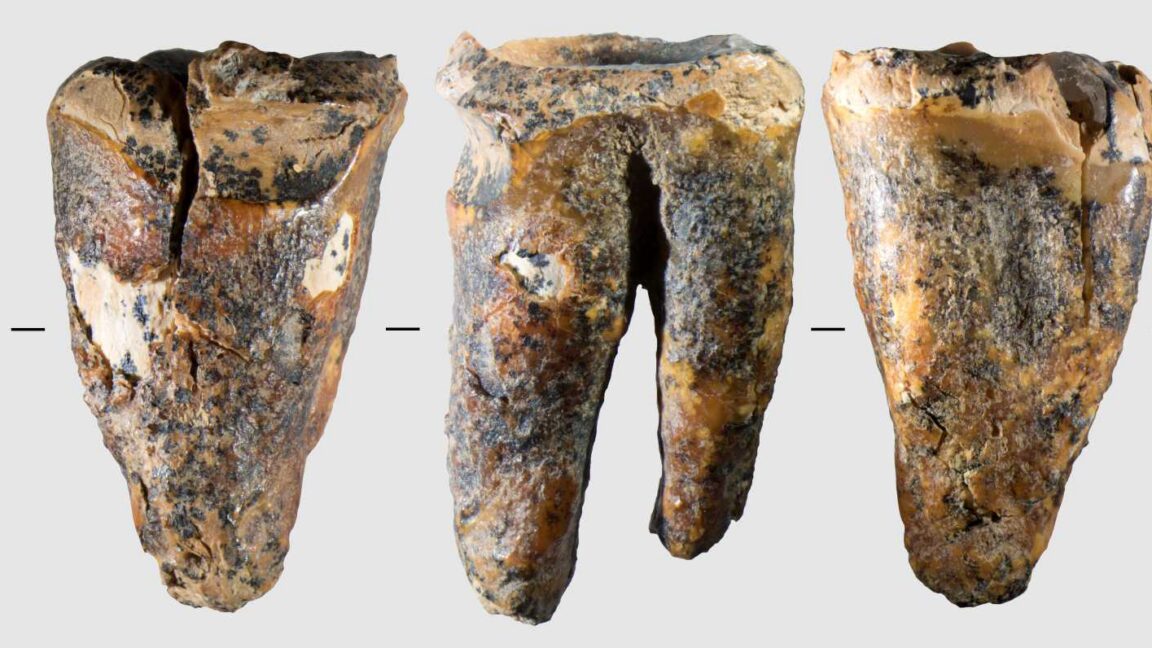
The telltale evidence of this ancient dental procedure remained preserved in the physical structure of the tooth itself, with a distinctive hole marking where the stone tool had carefully penetrated the infected area. This hole would not naturally occur through decay or wear, making it unmistakably the result of intentional intervention performed by a skilled hand wielding a carefully selected stone tool.
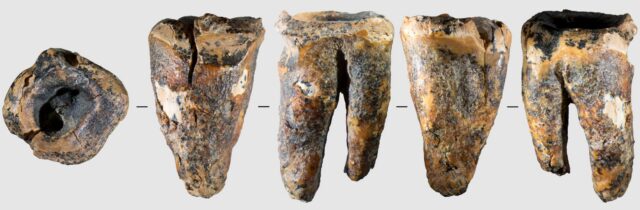
Paleoanthropologist Alisa Zubova of the Russian Academy of Sciences led the research team that made this extraordinary discovery, carefully examining and analyzing the preserved tooth to determine its origin and the circumstances of its treatment. Zubova and her colleagues meticulously studied the dimensions, patterns, and characteristics of the drilled hole, comparing it against known examples of natural tooth decay and wear to confirm that this was indeed intentional ancient dentistry. Their detailed analysis left no doubt that the hole was created deliberately through systematic drilling rather than resulting from natural biological processes.
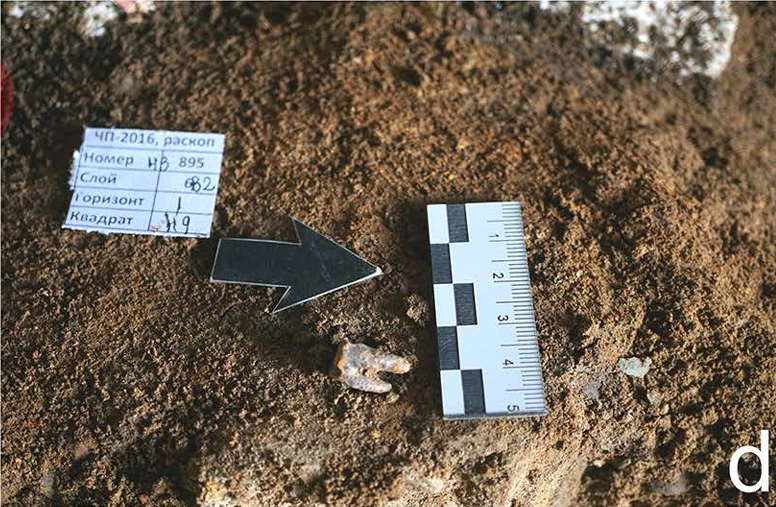
The tooth was recovered during archaeological excavations at Chagyrskaya Cave, a significant Neanderthal archaeological site located in the Altai Mountains region of southwestern Siberia. This location has proven to be a treasure trove of Neanderthal artifacts and remains, providing crucial insights into how these extinct human relatives lived, survived, and innovated in their harsh Ice Age environment. The cave's excellent preservation conditions allowed for the recovery of fragile remains that might otherwise have deteriorated completely over such an enormous time span.
This discovery now stands as the oldest known evidence of dental treatment in human history, surpassing any previous examples by many thousands of years. What makes this finding even more significant is that it represents not merely dental hygiene or cosmetic treatment, but rather direct medical intervention designed specifically to address pain and infection. This suggests that Neanderthals possessed an understanding of cause and effect relating to dental problems and could devise practical solutions to alleviate suffering.
The implications of this discovery extend far beyond dentistry alone, raising fundamental questions about Neanderthal cognitive abilities and their capacity for abstract thinking. The procedure required planning, tool selection, steady hands, and the ability to tolerate significant discomfort in pursuit of relief. It demonstrates that Neanderthals could recognize a problem, devise a solution, and execute a complex procedure despite the obvious risks and discomfort involved.
This finding contributes to a growing body of evidence that suggests Neanderthals were far more sophisticated than they are often portrayed in popular culture. Rather than being brutish or unintelligent, they appear to have been resourceful problem-solvers who could adapt to challenging circumstances and develop innovative responses to health challenges. Previous research has shown that Neanderthals cared for their injured and elderly, suggesting they possessed empathy and social bonds similar to modern humans.
The archaeological evidence from Chagyrskaya Cave has been particularly valuable in revising scientific understanding of Neanderthal behavior and capabilities. The site contains numerous artifacts demonstrating tool-making expertise, hunting strategies, and evidence of social organization. The discovery of the dentistry patient adds another remarkable chapter to the story of Neanderthal innovation and survival strategies.
Scientists continue to study this remarkable tooth and other artifacts from Chagyrskaya Cave, seeking additional evidence of medical knowledge and treatment among Neanderthal populations. Each new discovery provides additional confirmation that these extinct relatives of modern humans possessed cognitive sophistication and the ability to respond creatively to life's challenges. The story of the toothache patient from 59,000 years ago serves as a powerful reminder that the human capacity for innovation, problem-solving, and the desire to alleviate suffering extends deep into our evolutionary past, suggesting these qualities are fundamental to what makes us human.
来源: Ars Technica


