
Oil Surges Past $126 as Trump Extends Iran Blockade

Brent crude hits highest level since 2022 amid Trump's warnings of prolonged US naval blockade and stalled Iran peace negotiations.
Global energy markets experienced significant volatility as oil prices climbed to their highest levels in nearly two years, driven by geopolitical tensions and uncertainty surrounding US-Iran relations. The dramatic surge underscores the delicate balance between supply concerns and diplomatic stalemate that continues to shape energy markets worldwide, with investors closely monitoring developments that could impact economic growth across multiple sectors.
Brent crude oil reached $126.40 per barrel on Wednesday, marking its highest price point since 2022 and representing a stunning 13% increase over a single 24-hour trading period. This remarkable jump reflects deep-seated concerns among market participants about potential disruptions to one of the world's most critical energy corridors. The acceleration comes as Donald Trump signaled his administration's commitment to maintaining US naval blockade operations against Iranian ports, with indications the restrictions could persist for several months rather than days or weeks.
The current price surge represents the highest level for Brent crude since hostilities began on February 28th of this year, marking a significant milestone in recent energy market history. To put this in perspective, the last time global oil prices exceeded $120 per barrel was during Russia's 2022 invasion of Ukraine, when Brent ultimately peaked at $139—underscoring how current geopolitical events are reshaping energy economics on a global scale. Market analysts have drawn parallels between these two supply-shock events, though the dynamics differ considerably given the distinct geographical and political circumstances involved.
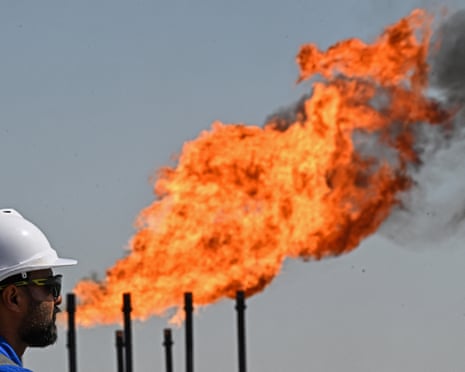
The Strait of Hormuz, one of the world's most strategically important waterways through which approximately one-third of global maritime oil trade passes, has effectively become a chokepoint in recent weeks. Iran has maintained what can only be described as a near-total closure of this vital shipping lane, preventing vessels from transiting freely and dramatically restricting the flow of crude to international markets. This deliberate restriction compounds the impact of the US blockade, creating a two-pronged supply constraint that has captured the attention of energy traders and policymakers alike.
Energy market observers have emphasized that oil market volatility tends to increase sharply when supply uncertainty combines with diplomatic breakdown, and the current situation embodies both conditions simultaneously. The lack of progress in peace negotiations between the United States and Iran has eliminated any near-term hope for a rapid resolution to the underlying tensions fueling crude price increases. Without visible diplomatic channels producing meaningful results, market participants have little choice but to price in extended supply disruptions and maintain defensive positions in their portfolios.
The implications of sustained elevated oil prices extend far beyond energy markets themselves, potentially impacting inflation rates, transportation costs, and overall economic growth prospects in both developed and developing nations. Manufacturing sectors that depend heavily on petrochemical inputs face margin pressures, while consumer prices for gasoline and heating oil could rise further if crude prices remain elevated. Central banks worldwide are monitoring these developments closely, knowing that energy price shocks can complicate monetary policy decisions and potentially derail economic forecasts made just months earlier.
Trump's public statements regarding the Iran blockade duration have sent clear signals to both allies and adversaries about the administration's resolve on this issue. The willingness to maintain economic pressure for an extended period suggests that US policymakers view this as leverage in a larger negotiation framework, though the effectiveness of such tactics remains subject to debate among foreign policy experts. Some analysts argue that sustained blockades can eventually force concessions, while others contend they often harden resolve and create stalemates that prove difficult to resolve diplomatically.
The broader context of Middle Eastern stability cannot be overlooked when analyzing current crude oil price movements. The region remains home to the vast majority of the world's proven oil reserves, and any disruption to supply chains originating from this area creates immediate ripple effects throughout global energy markets. Investors who might otherwise seek bargains at lower price points now face uncertainty about whether they should expect further price acceleration or potential stabilization, making trading decisions increasingly difficult.
Historical precedent suggests that oil prices above $120 per barrel tend to trigger demand destruction, particularly in price-sensitive economies and among consumers who can shift to alternative fuels or reduce consumption. Airlines, shipping companies, and other transport-intensive businesses may implement cost-cutting measures or adjust service offerings in response to sustained fuel price increases. These secondary effects can cascade through supply chains, potentially contributing to broader economic slowdown if prices remain elevated for extended periods.
The relationship between oil prices and financial markets has become increasingly pronounced in recent years, with equity indices showing greater sensitivity to energy sector movements. Stock markets across Asia, Europe, and North America have demonstrated volatility that correlates closely with crude price fluctuations, suggesting that investors are pricing in broad economic implications from sustained energy cost increases. Companies with significant exposure to energy inputs or with substantial operations in affected regions have seen their valuations fluctuate with each day's oil price movements.
Looking ahead, the trajectory of oil prices will likely depend on whether diplomatic progress emerges or whether the current standoff hardens further. Market participants are watching for any signs that negotiations might resume, as even the suggestion of renewed talks could trigger significant price reversals. Conversely, escalation of tensions or expansion of blockade measures could push prices even higher, testing the upper bounds of what global markets can absorb without triggering broader economic disruptions.
The energy market remains highly sensitive to geopolitical developments, with participants constantly reassessing supply and demand outlooks in light of new information. As long as uncertainty persists regarding the duration of current restrictions and the possibility of diplomatic resolution, oil prices are likely to maintain elevated levels with continued volatility. Both producers and consumers should prepare for the possibility of sustained higher energy costs while monitoring developments that might signal a potential shift in the current trajectory.
来源: The Guardian


