
Portugal and Italy Reject Digital Border Check Suspension for Brits

Portugal and Italy will not suspend digital border checks for UK nationals, diverging from Greece's approach to biometric verification procedures.
In a significant development regarding travel procedures for British citizens, Portugal and Italy have firmly rejected proposals to suspend digital border checks for UK nationals entering their countries. This decision marks a departure from the more lenient approach adopted by Greece, which had effectively suspended biometric checks for travelers from the United Kingdom, creating a patchwork of entry requirements across Southern Europe.
The announcement comes at a time when UK travel to Europe continues to evolve following the country's departure from the European Union. Various EU member states have been grappling with how to implement border security protocols while maintaining the flow of tourism and business travel. The divergence in approach between Mediterranean nations underscores the complexity of coordinating border security measures across different jurisdictions, even within the Schengen Area framework.
Greece's decision to ease restrictions had generated expectations among some observers that other European nations might follow suit, particularly those heavily dependent on British tourism revenue. However, Portuguese and Italian authorities have determined that maintaining strict biometric verification procedures aligns better with their security protocols and obligations under EU regulations. This stance reflects the varying priorities that different member states place on border management versus tourism facilitation.
The Schengen Area travel requirements for UK citizens have undergone substantial changes since Brexit took effect. While British nationals no longer enjoy the freedom of movement that EU citizens possess, they are still permitted to travel within the Schengen Zone for short-term visits of up to 90 days within a 180-day period. However, the specific security procedures at border entry points have remained subject to individual member state interpretation and implementation.
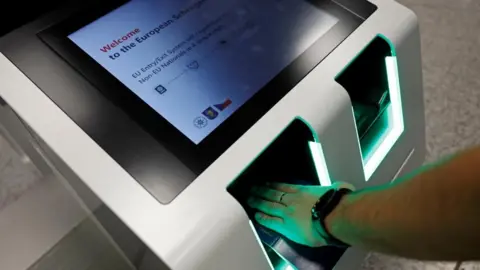
Greece's decision to temporarily suspend routine biometric checks for UK travelers was partly motivated by logistical considerations and the desire to streamline entry processes during peak tourism seasons. The country receives substantial numbers of British visitors annually, and simplified procedures could enhance the traveler experience and reduce congestion at border control points. By waiving certain biometric requirements, Greece aimed to balance security concerns with practical operational efficiency.
In contrast, Portugal and Italy have maintained that adhering strictly to digital border screening protocols is essential for maintaining security standards and complying with EU-wide regulations. Both countries have significant British expatriate populations and substantial numbers of British visitors, yet they have prioritized regulatory compliance over convenience measures. This decision reflects their interpretation that standardized security procedures should not be compromised for administrative convenience.
The implications of this fragmented approach are noteworthy for British travelers planning visits to Southern Europe. Those journeying through multiple countries will encounter varying levels of scrutiny and different entry procedures depending on their port of entry and the specific routes they take. This inconsistency can create confusion among travelers and presents challenges for travel planning and itinerary organization.
Italian officials emphasized that maintaining robust border control measures demonstrates their commitment to safeguarding the Schengen Area's integrity while protecting national security interests. Portugal similarly stressed that their decision reflects adherence to EU standards and the importance of consistent security implementation across member states. Both nations view the maintenance of digital screening processes as a non-negotiable aspect of modern border management.
The situation also highlights the broader context of post-Brexit relations between the UK and EU member states. While the UK government has sought to facilitate travel and maintain strong connections with European partners, EU nations retain sovereignty over their immigration and security procedures. The varying responses from different member states reflect the absence of a unified EU-wide position on how to treat UK nationals in the post-Brexit environment.
Travel industry experts have noted that the patchwork of requirements creates administrative challenges for travel agencies, tour operators, and tourists themselves. Those organizing group tours or multi-country itineraries must now account for varying border procedures when planning routes through different European nations. This complexity may influence travel patterns and decision-making among British tourists considering extended European vacations.
Tourism boards in Portugal and Italy have worked to ensure that maintaining security procedures at borders does not significantly deter British visitors, who represent important market segments for their tourism industries. Both countries have emphasized that the digital border checks are routine procedures that should not substantially impact traveler experience or time spent at border crossings. Clear communication about what to expect has become increasingly important for managing traveler expectations.
The European Commission has generally supported consistency in border procedures across member states, recognizing that divergent approaches can undermine the Schengen system's overall effectiveness. However, individual member states retain considerable discretion in implementing security measures, leading to the current situation where procedures vary significantly depending on entry points and routes. This flexibility was designed to accommodate different national security concerns while maintaining overall system cohesion.
Looking forward, the situation may evolve as the UK and EU continue to negotiate and refine their relationship. Some observers speculate that standardized procedures could eventually emerge if pressure builds for greater consistency across member states. However, any such developments would likely require coordination at the EU level and agreement among member states with divergent priorities and concerns.
For British travelers currently planning trips to Southern Europe, the most prudent approach involves checking the specific requirements of each destination country well in advance of travel. Immigration authorities recommend reviewing up-to-date information from official government sources rather than relying on assumptions based on experiences in neighboring countries. This diligence can help avoid surprises or complications at European border crossings.
The decision by Portugal and Italy to maintain strict digital border check procedures for British visitors ultimately reflects their commitment to security standards and regulatory compliance in an evolving post-Brexit landscape. While this approach may differ from Greece's more accommodating stance, it underscores the complexity of balancing multiple objectives—security, compliance, tourism promotion, and operational efficiency—in contemporary border management. As the UK-EU relationship continues to develop, the approach to UK travelers may evolve, but for now, British visitors to Portugal and Italy should prepare for standard biometric verification procedures at their borders.
来源: BBC News


