
Senate GOP Proposes $1B Package Tied to Trump Ballroom

Senate Republicans unveil immigration enforcement funding that includes $1B for security measures at Trump's $400M East Wing modernization project ballroom facility.
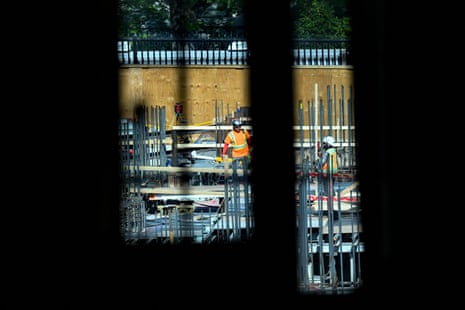
Senate Republicans have unveiled an ambitious new immigration enforcement funding package that has drawn scrutiny for its inclusion of a substantial $1 billion allocation potentially designated for security measures related to a prominent ballroom project. The ballroom in question is part of what has been characterized as a $400 million "East Wing modernization project" associated with former President Donald Trump and his real estate portfolio.
The funding proposal represents a significant development in ongoing debates surrounding federal spending priorities and immigration policy implementation. The package has been structured to address what Republican lawmakers describe as critical needs within agencies responsible for border security and interior immigration enforcement. The inclusion of funding tied to the ballroom project has raised questions about the intersection of security infrastructure spending and private facility investment.
Senator Chuck Grassley, an influential Iowa Republican who serves as chairman of the Senate Judiciary Committee, formally released this comprehensive funding plan on Monday. Grassley's office characterized the initiative as part of a broader legislative effort designed to strengthen federal law enforcement capabilities and safeguard American communities through enhanced immigration enforcement mechanisms.
The wider bill that accompanies this funding package represents the Republican party's strategic legislative effort intended to advance through a reconciliation process, which would allow passage along party lines without requiring support from Democratic senators. This procedural approach underscores the partisan nature of the immigration enforcement agenda and the determination of Senate Republicans to move forward with their policy priorities independent of Democratic input or support.
The funding is specifically earmarked to support Immigration and Customs Enforcement (ICE) operations and other federal agencies directly involved in implementing the Trump administration's mass deportation initiatives. These agencies play crucial roles in immigration enforcement operations, detention management, and deportation proceedings across the United States. The substantial funding allocation reflects Republican priorities regarding immigration policy and border security resource allocation.
The East Wing modernization project that serves as the backdrop for this funding controversy has been the subject of considerable attention and debate among political observers and government accountability advocates. The $400 million price tag for this renovation initiative has raised questions about project scope, necessity, and budgeting decisions. The connection between immigration enforcement funding and this modernization effort has created an unusual and potentially controversial link between seemingly unrelated policy domains.
Industry analysts and political commentators have noted that this funding package represents a significant investment in immigration enforcement infrastructure and operational capabilities. The scale of funding proposed suggests that Republican leadership views enhanced immigration enforcement as a top budgetary priority for the current legislative session. The allocation reflects broader policy commitments made during the previous Trump administration regarding deportation and immigration restriction efforts.
The proposal has prompted discussion among lawmakers regarding federal budgeting priorities and the appropriate allocation of taxpayer resources. Critics have questioned whether linking immigration enforcement funding to private facility security measures represents sound budgeting practice or represents an inappropriate blending of federal and private interests. These concerns highlight ongoing tensions surrounding government spending practices and political accountability.
As the Senate Judiciary Committee under Grassley's leadership continues to advance this legislative initiative, observers expect ongoing debate regarding both the immigration enforcement components and the associated funding mechanisms. The reconciliation process, which bypasses certain parliamentary procedures, has enabled Republican senators to move forward with legislation that may not survive traditional filibuster mechanisms in the upper chamber.
The timing of this funding proposal reflects the Trump administration's emphasis on immigration enforcement as a core policy objective. Republican leadership has consistently prioritized increased funding for ICE and related agencies as essential to their vision for border security and immigration management. This latest proposal demonstrates the sustained focus on these priorities within the Republican caucus.
Political analysts suggest that the inclusion of funding for the Trump-associated ballroom project may have significant implications for how the proposal is received by various constituencies. The intertwining of federal immigration policy funding with private facility investment creates a complex political narrative that could influence public perception of the overall legislative package. The connection raises questions about legislative priorities and the appropriate scope of federal spending.
The broader context of this funding proposal includes ongoing national debates regarding immigration policy, border security, and the appropriate scale and scope of federal immigration enforcement operations. Different political factions hold sharply divergent views on these matters, with Republicans generally advocating for more aggressive enforcement and Democrats typically favoring more measured approaches. This fundamental disagreement shapes the legislative landscape surrounding immigration-related spending decisions.
As the Senate considers this immigration enforcement funding bill, stakeholders across the political spectrum are preparing their positions and arguments regarding the proposal's merits and drawbacks. Business groups, immigration advocacy organizations, and security-focused interests are mobilizing to influence the legislative outcome. The debate promises to be contentious, reflecting the deeply polarized nature of contemporary immigration policy discussions in the United States.
The specific allocation of funds within the overall package reveals Republican budgeting priorities and demonstrates how lawmakers have categorized various spending needs and security requirements. The decision to include funding for the ballroom project as part of an immigration enforcement package demonstrates how legislative efforts often combine multiple distinct initiatives into comprehensive bills designed to pass through the reconciliation process or other legislative vehicles.


