
特朗普十年后面对强大的中国

随着特朗普重返政坛,中国已成为一个强大的竞争对手。专家分析了过去十年地缘政治格局发生的巨大变化。
After a decade away from the political spotlight, former President Donald Trump faces a dramatically transformed global landscape, with China emerging as an increasingly assertive and economically powerful adversary. The geopolitical dynamics between Washington and Beijing have shifted substantially since Trump's initial tenure in office, presenting new challenges and complexities that will shape foreign policy discussions in the coming years.分析人士和外交政策专家正在密切研究美中关系的演变将如何影响特朗普的潜在重新掌权以及两国之间更广泛的战略竞争。
According to leading geopolitical analysts, China's competitive position has strengthened considerably over the past ten years, making it arguably the most formidable competitor the United States has encountered throughout its history. The nation has invested heavily in technological advancement, military modernization, and economic expansion, fundamentally altering the balance of power in the Asia-Pacific region.这一转变代表了特朗普第一任总统期间经济关系的重大转变,当时贸易紧张局势和关税占据了头条新闻,但中国的结构性能力却不如今天发达。
中国政府系统地推行战略举措,旨在增强其全球影响力并减少对西方市场和技术的依赖。 Through ambitious programs like Made in China 2025, Beijing has worked to advance domestic semiconductor production, artificial intelligence capabilities, and renewable energy infrastructure. These efforts have been complemented by massive investments in infrastructure projects across Asia, Africa, and Latin America, creating economic dependencies that extend China's soft power and geopolitical influence far beyond its borders.
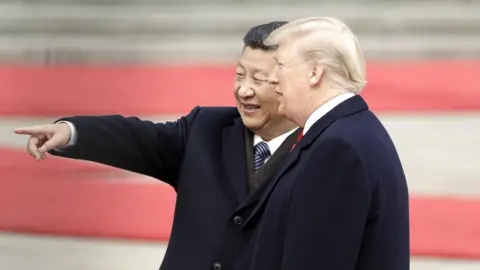
Trump's previous administration took an aggressive stance toward China trade policy, implementing tariffs and trade restrictions that were intended to rebalance the economic relationship between the two nations.然而,经济学家和政策制定者对这些政策的结果仍然存在争议,一些人认为它们有助于创造公平的竞争环境,而另一些人则认为它们造成了市场混乱,但没有实现根本性的系统性变革。随着特朗普可能重返办公室,有关可能采用何种贸易战略以及该战略与他第一个任期内采取的方法有何不同或如何借鉴的问题迫在眉睫。
近年来,美国和中国之间的技术竞争显着加剧,特别是在半导体、人工智能和量子计算等领域。 China has made substantial progress in reducing technological gaps, investing billions of dollars in research and development while simultaneously acquiring foreign technology through various means.这种技术竞争现在是中美竞争最关键的维度之一,对未来几十年的国家安全、经济竞争力和技术主导地位产生影响。
随着中国实现武装部队现代化并通过开发高超音速导弹和下一代航空母舰等先进武器系统扩大影响力,军事能力也取得了长足发展。 The Chinese military's presence in the Pacific has grown more pronounced, raising concerns among American defense officials and regional allies about freedom of navigation and stability in critical sea lanes. These military developments have prompted discussions about potential conflict scenarios and the need for strategic clarity in dealing with China's expanding military footprint.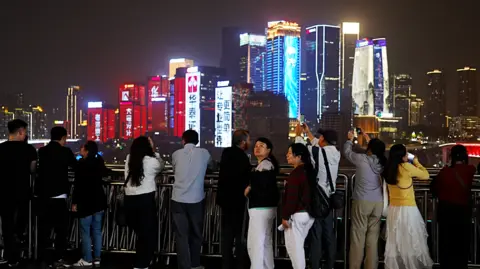
The economic dimensions of China-US strategic competition extend beyond traditional trade metrics to include issues of supply chain vulnerability, foreign direct investment patterns, and technological espionage concerns.美国政策制定者越来越关注供应链的弹性,特别是在与大流行相关的中断暴露了关键商品严重依赖中国制造的风险之后。 This awareness has led to calls for restructuring global supply chains and developing domestic production capabilities for essential materials and components.
美国的地区盟友,包括日本、韩国、澳大利亚和几个东南亚国家,都以极大的兴趣和担忧关注着这些事态发展。许多国家寻求平衡与华盛顿和北京的关系,认识到与中国贸易的经济重要性,同时也对中国的军事扩张和自信的外交政策表示安全担忧。像“四方”(由美国、日本、印度和澳大利亚组成)这样的战略联盟的形成反映了维持有利的地区力量平衡并对抗一些人认为的中国霸权野心的努力。
Trump's approach to dealing with China during his first presidency was characterized by unpredictability and a transactional perspective on international relationships.他愿意与中国领导层直接接触,加上他的保护主义贸易政策和对多边机构的怀疑态度,创造了一种与传统外交规范显着不同的非传统方式处理双边关系。 Understanding how these dynamics might evolve in a potential second Trump administration remains a subject of intense speculation among foreign policy analysts and international observers.
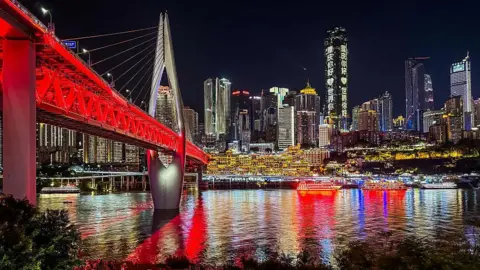
The domestic political context within China has also shifted during the past decade, with President Xi Jinping consolidating power and pursuing a more nationalistic foreign policy agenda. Xi's vision for the Chinese Dream and the emphasis on restoring China to a position of primacy in world affairs has infused Chinese policy with greater strategic ambition and confidence. This ideological shift has made Chinese leadership less willing to compromise on issues deemed central to national interests and sovereignty, creating potential flashpoints in negotiations with American counterparts.
Issues surrounding Taiwan remain among the most sensitive and potentially consequential dimensions of US-China relations that any American president must navigate carefully. The island's strategic location, democratic governance, and historical significance have made it a touchstone of regional stability and American credibility with regional allies. Chinese leadership has grown increasingly assertive regarding Taiwan, viewing its political status as unfinished business of the Chinese civil war and a matter of core national interest that cannot be negotiated.
The infrastructure and technological systems underpinning global commerce have become increasingly contested terrain between Washington and Beijing. American efforts to restrict Chinese companies like Huawei and TikTok from operating freely in Western markets reflect concerns about data security, intellectual property protection, and technological dominance. Similarly, Chinese policies regarding foreign companies operating within its borders have grown more restrictive, creating a more fragmented global technological landscape than existed a decade ago.

多边机构在管理中美竞争方面的作用变得越来越重要且充满争议。世界贸易组织、联合国和各个区域机构等组织一直在努力调解争端并建立和平管理大国竞争的框架。特朗普在第一任总统任期内对多边机构的怀疑使这些外交渠道变得复杂,而且他的潜在回归可能会如何影响美国对国际机构和协议的承诺仍然存在疑问。
Economic experts continue to debate the long-term implications of deepening decoupling between the American and Chinese economies, a process that has accelerated over the past decade.虽然一些人认为减少经济相互依赖可以增强国家安全并降低脆弱性,但另一些人则警告说,鉴于现代全球供应链的复杂性,完全脱钩既不可行也不可取。经济竞争与合作之间的平衡将显着影响未来几年两国关系的轨迹。
当特朗普思考他的政治未来和重新掌权的可能性时,他所面临的地缘政治格局比他十年前离开时更具挑战性和复杂性。一个更强大、更自信、技术更先进的中国带来了战略挑战,需要仔细调整、一致的政策方针以及与国际盟友的协调。这位前总统如何应对全球力量平衡的这一根本性转变可能会决定他政治遗产的很大一部分,并影响美国未来几年的外交政策方向。
来源: BBC News


