
Trump Lands in China for Critical Xi Summit

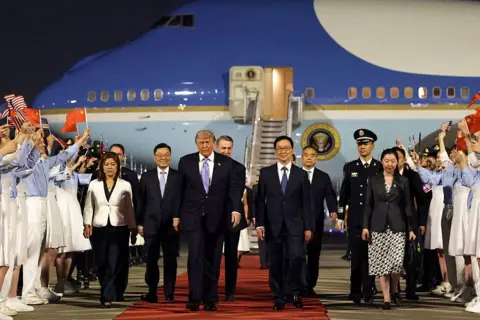
Trump arrives in China for pivotal talks with Xi Jinping covering Iran conflict, trade tariffs, AI development, and Taiwan tensions in landmark two-day visit.
Former President Donald Trump has arrived in China for a highly anticipated and high-stakes diplomatic meeting with Chinese President Xi Jinping, marking a significant moment in international relations between the world's two largest economies. The two-day state visit comes at a critical juncture in global geopolitics, with both nations facing unprecedented challenges that demand direct leadership engagement and substantive dialogue at the highest levels of government.
The meeting represents a rare opportunity for the two leaders to address pressing issues that have dominated headlines and shaped bilateral relations over recent years. Officials from both delegations have confirmed that the agenda encompasses multiple contentious topics, each carrying significant implications for regional stability and global economic prosperity. The scope of discussions reflects the complexity of modern great power competition and the necessity for face-to-face dialogue between world leaders.
Among the primary issues expected to dominate conversations is the ongoing conflict in Iran, which has emerged as a flashpoint for international concern and proxy warfare throughout the Middle East. The instability in the region has affected global energy markets, disrupted international commerce, and raised concerns about potential escalation involving multiple regional actors. Both the United States and China have strategic interests in preventing further deterioration of the situation and maintaining freedom of navigation through critical waterways.
Trade tariffs will undoubtedly feature prominently in the bilateral discussions, given the ongoing economic tensions that have characterized relations between Washington and Beijing over the past several years. The implementation of various tariff regimes has created uncertainty in global supply chains, affected consumer prices, and prompted retaliatory measures from both sides. Industry leaders and economists have stressed the importance of achieving a sustainable resolution to these trade disputes, as prolonged economic friction threatens growth prospects for both nations and their trading partners worldwide.
The discussion of artificial intelligence development represents a particularly modern dimension of this diplomatic engagement, reflecting how technological competition has become intertwined with traditional geopolitical concerns. Both nations are investing heavily in AI capabilities, recognizing their potential military, commercial, and strategic applications. The conversation will likely touch on questions of AI governance, safety standards, and the need for international frameworks to manage the risks associated with rapid technological advancement in this critical domain.
Taiwan's status remains perhaps the most sensitive topic on the agenda, representing a fundamental point of divergence between the two governments and a potential flashpoint for conflict. The island's political status, military capabilities, and international relationships continue to generate tension, with each side maintaining distinct interpretations of historical agreements and international law. Any progress on this issue, or even frank acknowledgment of differences, could help reduce misunderstandings and prevent miscalculation.
The diplomatic meeting is taking place against a backdrop of broader shifts in the international system, including rising great power competition and questions about the future of multilateral institutions. Both Trump and Xi bring their own strategic perspectives and domestic political considerations to the negotiating table. The outcomes of their discussions may influence not only bilateral relations but also regional dynamics throughout Asia and beyond.
Observers and analysts have emphasized that the success of this summit will be measured not necessarily in dramatic breakthroughs, but in the establishment of clearer communication channels and mutual understanding of red lines and core interests. The China-U.S. relations represent a critical variable in global stability, and leaders on both sides recognize the importance of preventing misunderstandings that could escalate into serious confrontations. Previous diplomatic engagements have demonstrated that regular high-level dialogue, even when disagreements persist, can help manage tensions and identify areas for potential cooperation.
The preparation for this meeting has involved extensive briefings for both delegations, with experts in various fields providing input on the most pressing issues. Economic advisors, military strategists, technology specialists, and regional experts have all contributed to shaping the talking points and strategic objectives each side hopes to achieve. The complexity of the agenda underscores the multifaceted nature of modern superpower relations in the 21st century.
The timing of this visit carries additional significance, as it occurs during a period of considerable uncertainty in multiple regions and domains. Global markets, international observers, and policymakers around the world will be closely monitoring developments and statements emerging from this summit. The ability of these two leaders to engage constructively, despite their considerable differences, will send important signals about the trajectory of international relations.
Strategic dialogue between Trump and Xi may also address broader questions about the future of international commerce, technology standards, and the rules-based international order that has governed global relations since World War II. As both nations continue to modernize their militaries and expand their technological capabilities, questions about arms control, space policy, and cybersecurity may also feature in their conversations. The outcome of these discussions could have ramifications extending far beyond China and the United States.
Throughout the two-day visit, various ceremonial events, state dinners, and bilateral meetings are scheduled, allowing both leaders and their teams multiple opportunities to address the substantive issues on the agenda. The formal structure of a state visit provides the ceremonial backdrop necessary for serious diplomatic work while also allowing for frank discussions in private settings. Such opportunities for bilateral engagement at the highest levels remain essential in managing complex relationships between major powers.
The success or failure of this summit may well set the tone for how the two nations navigate their relationship in the coming months and years. As global challenges increasingly require international cooperation and as technological innovation continues to accelerate, the need for effective communication between Beijing and Washington becomes ever more critical. This high-level meeting represents an important opportunity to establish frameworks for managing competition while identifying areas where cooperation might be possible.
来源: BBC News


