
Trump's China Visit Concludes Without Iran Deal

Trump wraps up Beijing summit with no Iran breakthrough. US-China talks sidestep Taiwan tensions as renters' rights emerge as midterm issue.
Good morning. The Trump administration's closely watched diplomatic visit to China is drawing to a close, yet significant questions remain about what—if anything—has been accomplished on critical geopolitical fronts. Throughout his time in Beijing, the US president has appeared to embrace the pomp and ceremony of his reception, demonstrating a notably cordial demeanor with his Chinese counterpart. During a stroll through the historically significant Zhongnanhai Garden, Trump was overheard making remarks about gifts he received, with pool reporters documenting his comments regarding roses intended for the White House Rose Garden, a detail that underscores the ceremonial nature of the high-level engagement.
The China-US diplomatic summit has occupied considerable media and political attention, with observers and analysts eager to understand whether the two superpowers could forge new agreements on pressing international matters. Trump's apparent comfort with the ceremonial aspects of the state visit reflects a broader diplomatic approach that emphasizes personal rapport and relationship-building. However, beneath the surface courtesies lies a complex web of geopolitical tensions and competing national interests that have not been fully resolved through the discussions.
One of the most anticipated potential outcomes of the summit centered on whether the United States could leverage China's economic position to influence developments in the broader Middle Eastern region. Prior to Trump's arrival in Beijing, speculation mounted in diplomatic circles about whether American negotiators might appeal to China's strategic interests in Iran, where Beijing maintains substantial economic ties and is the world's largest buyer of Iranian crude oil. Such leverage, observers suggested, could theoretically encourage Chinese officials to use their influence to pressure Iran into reopening the Strait of Hormuz, one of the world's most critical maritime chokepoints for global energy supplies.

However, that strategic calculation appears to have shifted markedly. On Thursday, Secretary of State Marco Rubio directly addressed these expectations, delivering a notably blunt statement to the international community. "We don't need their help," Rubio declared, effectively dismissing the notion that the Trump administration would seek Chinese assistance in managing the Iran situation. This rhetorical pivot suggested that the US had decided to pursue a different approach to the Iran crisis, one that did not necessarily depend on Chinese cooperation or mediation.
Friday's official statement from China's foreign ministry provided further insight into Beijing's position on Middle Eastern developments. China's foreign ministry reiterated calls for a comprehensive ceasefire in Iran and emphasized the critical importance of reopening the Strait of Hormuz at the earliest opportunity. The statement reflected China's substantial economic interests in the region, as disruptions to shipping through the strategic waterway directly impact Beijing's energy security and global commerce.
The absence of any announced Iran accord between the US and China at the conclusion of the summit represented a notable disappointment for those who had hoped the two powers might find common ground on this volatile issue. Throughout the visit, Trump offered no public indication that breakthrough negotiations had occurred on the Iranian question, suggesting that the two nations remain at odds on how to approach the geopolitical crisis in the Middle East.
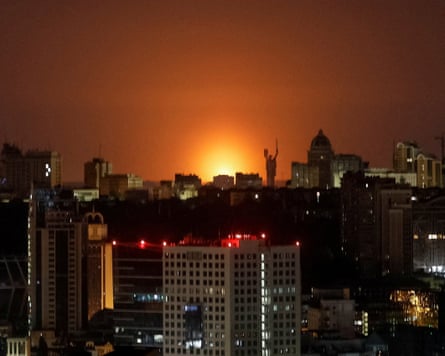
Taiwan, another perennial source of tension in US-China relations, was notably absent from the public discourse surrounding the summit. The island nation, which Beijing views as a breakaway province and the US has committed to supporting, was mentioned only sparingly in the official statements and media coverage of the visit. Xi Jinping, however, made his position abundantly clear during the proceedings, declaring that "Taiwan independence" and sustainable peace in the Taiwan Strait were fundamentally "incompatible" concepts. The Chinese president's firm rhetorical stance indicated that Beijing remains unmoved on its core position regarding the island's political status and future.
Trump's approach to Taiwan-related questioning differed markedly from his Chinese counterpart's assertiveness. The US president adopted what observers characterized as a notably muted posture, actively sidestepping direct questions about Taiwan and American commitments to the island. This diplomatic restraint suggested that Trump intended to avoid inflaming already-sensitive negotiations by making contentious public statements about the contentious issue. The White House did not provide extensive commentary on the Taiwan situation, maintaining strategic ambiguity in its public messaging.
Back in the United States, meanwhile, the political landscape continues to shift as the nation approaches critical midterm elections. One issue gaining unexpected prominence in electoral calculations involves renters' rights and housing policy, an area that political strategists believe could prove decisive in close races across multiple districts and states. Housing affordability, tenant protections, and landlord-tenant relations have emerged as significant concerns for voters, particularly in younger demographic cohorts and urban areas where rental housing dominates the residential market.
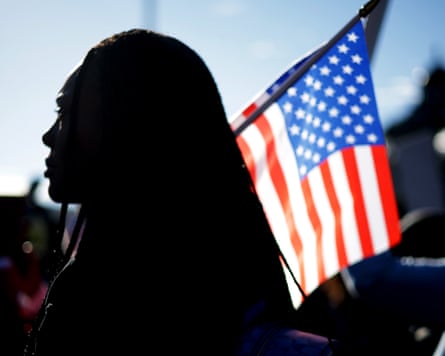
Political analysts have identified renters' rights as a key midterm issue with potential to reshape electoral dynamics in numerous competitive races. As housing costs continue to rise and landlord practices come under increasing scrutiny, candidates who address tenant concerns and propose meaningful protections may gain electoral advantage. The focus on housing policy represents a shift in campaign priorities, reflecting constituent concerns about cost of living and personal financial security.
The convergence of international diplomacy and domestic politics underscores the multifaceted challenges facing American leadership at this particular historical moment. While Trump navigates the complexities of great power competition with China, the administration must simultaneously remain attuned to evolving voter priorities and emerging policy concerns on the home front. The success or failure of the administration's approach on both fronts could significantly influence the political landscape in the months ahead.

来源: The Guardian


