
Trump's Historic Beijing Visit: Key Details

Former President Trump arrives in Beijing for significant diplomatic engagement with China's leadership. Explore the implications of this high-profile visit.
Former President Donald Trump has touched down in Beijing, marking a significant moment in international diplomacy and United States-China relations. This visit represents the first time a sitting or former American leader has traveled to China's capital since Trump's own visit during his presidency in 2017. The arrival has generated considerable attention from political analysts, international observers, and media outlets worldwide, given the complex and often contentious relationship between the two global superpowers.
The timing of Trump's Beijing visit carries substantial geopolitical implications. Relations between the United States and China have experienced significant tension over trade disputes, intellectual property concerns, technological competition, and strategic military positioning in the Indo-Pacific region. This journey represents an opportunity for dialogue at the highest levels of engagement, potentially opening channels for discussion on matters of mutual concern and interest between the two nations.
During his previous tenure as President, Trump oversaw a period of significant economic friction with China, implementing tariffs and trade restrictions that affected billions of dollars in bilateral commerce. Those policies shaped the current landscape of US-China relations and remain central to understanding the context of this current visit. The visit may provide insight into Trump's thinking regarding future diplomatic approaches should his political fortunes change.
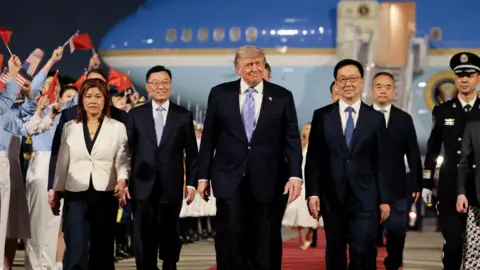
The diplomatic significance of this trip extends beyond simple bilateral relations between the two countries. China, as a permanent member of the United Nations Security Council and a major economic powerhouse, plays a crucial role in global affairs ranging from regional security to climate change negotiations. Any high-level engagement between American political figures and Chinese leadership draws attention from allies and competitors alike, particularly nations in the Asia-Pacific region who monitor developments closely.
Trump's political influence remains substantial within the Republican Party and among his substantial base of supporters. His travels abroad and meetings with foreign leaders generate headlines and potentially signal shifts in American foreign policy thinking. This visit to Beijing could influence broader conversations about how the United States should approach its relationship with China, whether through economic cooperation, strategic competition, or a combination of both approaches.
The historical context of American presidential visits to China adds weight to this current engagement. Richard Nixon's groundbreaking 1972 visit to Beijing fundamentally altered the trajectory of international relations and opened decades of diplomatic exchange. Subsequent visits by American presidents have generally been scheduled state visits with formal protocols and structured agendas. Trump's 2017 visit during his presidency was carefully orchestrated with significant fanfare and included extensive meetings with Chinese leadership.
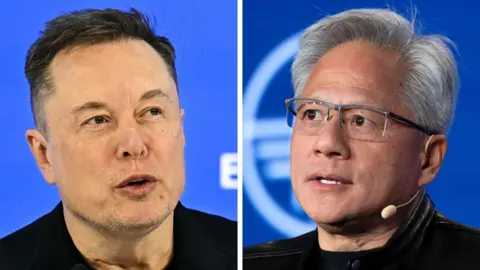
The current visit occurs amid ongoing discussions about US-China trade relations and economic competition. The relationship between America's largest economy and China's rapidly advancing second-largest economy affects markets worldwide. Issues including tariffs, manufacturing, supply chains, and technological advancement remain central points of tension and negotiation between the two powers. Any statements or agreements that emerge from Trump's visit could ripple through international markets and influence business decisions globally.
Security and military considerations form another critical dimension of the US-China relationship. The two nations maintain significant military capabilities and strategic interests that sometimes conflict, particularly regarding Taiwan, the South China Sea, and other regional flashpoints. Dialogue at the highest levels can help prevent misunderstandings and reduce the risk of accidental escalation of tensions. Back-channel communication through high-level visits often proves valuable for maintaining stability even amid broader strategic competition.
Trump's status as a former president rather than a sitting chief executive creates a unique diplomatic dynamic. While his influence within American politics remains considerable, his current position lacks the formal authority of a sitting president. Nevertheless, his prominence and the extensive media coverage surrounding his international travels mean his words and meetings receive careful scrutiny from observers in Beijing, Washington, and capitals around the world.
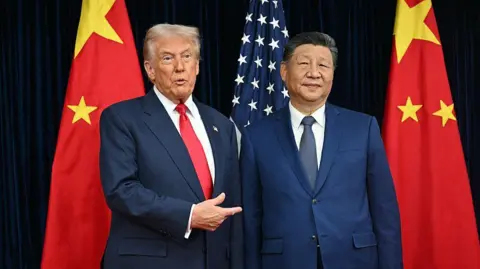
The response from the Biden administration to Trump's China diplomatic engagement may also warrant attention. While American presidents and political figures from opposing parties have historically conducted foreign policy during their respective administrations, Trump's unique position and contentious relationship with the current government adds complexity to the situation. Different interpretations of his visit and any resulting statements or agreements may emerge from various political quarters.
Media representation of this visit across different countries will likely vary significantly. Chinese state media may emphasize dialogue and potential cooperation, while American media outlets may focus on different aspects depending on their political orientation and editorial perspectives. International coverage will reflect how different nations perceive the implications of renewed engagement between high-level American and Chinese figures.
Looking forward, observers will be watching closely for any statements, agreements, or signals that emerge from Trump's time in Beijing. His discussions with Chinese officials, if made public, could provide insight into his thinking on key policy issues and potentially influence broader conversations about American foreign policy approaches. The visit represents one moment in the ongoing complex relationship between the United States and China, a relationship that will continue to shape global politics, economics, and security for years to come.
来源: BBC News


