
Trump Warns Taiwan Against Independence

Trump tells Taiwan not to pursue independence as China views it as a red line. Explore Taiwan's complex political situation and independence debate.
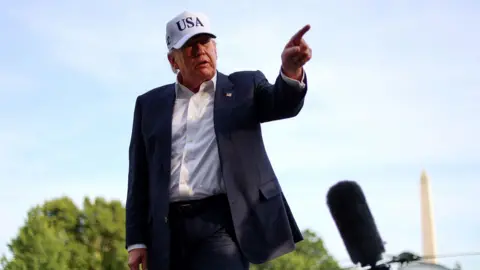
Former U.S. President Donald Trump has issued a stark warning to Taiwan, advising the island nation against pursuing independence from China. This statement underscores the delicate geopolitical dynamics surrounding Taiwan's political future and the competing interests of multiple global powers. The warning comes amid heightened tensions in the Taiwan Strait and represents a significant moment in discussions about the island's sovereignty and international standing.
Trump's comments reflect a fundamental reality of cross-strait relations: Taiwan's independence remains one of China's most sensitive political issues. Beijing views the island as a renegade province that must ultimately reunify with the mainland, and any move toward formal independence is considered an unacceptable violation of Chinese sovereignty. This position has been consistently maintained by successive Chinese governments and represents a core national interest that shapes Beijing's foreign policy objectives.
The question of whether Taiwan actually desires independence is far more nuanced than Trump's binary framing suggests. While Taiwan operates as a functioning democratic nation with its own government, military, and economic system, the political landscape on the island reveals deep divisions regarding its ultimate status. Public opinion polls consistently show that a significant portion of Taiwan's population supports the status quo—neither formal independence nor immediate unification with mainland China.
Taiwan's current political arrangement, often referred to as the status quo, has become increasingly popular among Taiwanese citizens over the past two decades. This position essentially maintains Taiwan's de facto autonomy and democratic governance while avoiding the formal declaration of independence that would provoke China's military response. Many Taiwanese see this arrangement as the safest path forward, allowing the island to preserve its distinct democratic identity while minimizing the risk of military conflict.
Recent surveys and election results provide compelling evidence of Taiwan's complex relationship with independence as a political goal. While support for independence has grown among younger Taiwanese who have no memory of the Chinese Civil War, the overall percentage of the population explicitly supporting formal independence remains a minority position. Instead, many Taiwanese citizens prefer what they describe as maintaining the status quo indefinitely, effectively creating a situation where Taiwan exercises sovereignty without formally declaring independence.
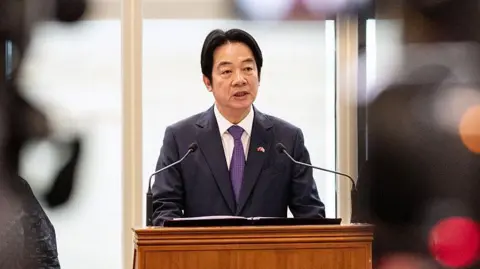
The Democratic Progressive Party (DPP), which has traditionally supported independence, has increasingly adopted a pragmatic approach in recent years. Rather than aggressively pursuing formal independence, DPP leaders have emphasized protecting Taiwan's democracy and way of life while avoiding provocative actions that might trigger military confrontation with China. This strategic shift reflects electoral realities and recognition that most Taiwanese voters prioritize stability and economic prosperity over pursuing independence as an abstract principle.
China's perspective on Taiwan independence remains unwavering and represents what Beijing describes as its most important national interest. The Chinese government has consistently stated that it will not tolerate Taiwan's formal separation from the mainland and has not ruled out using military force to prevent independence or to enforce eventual reunification. This hardline position has been reiterated across multiple Chinese administrations and enjoys broad support among the Chinese population.
Trump's warning to Taiwan must be understood within the context of his broader approach to U.S.-China relations and his transactional view of international diplomacy. Throughout his presidency, Trump frequently emphasized the importance of managing the U.S. relationship with China while also criticizing China on various trade and security issues. His recent comments about Taiwan's independence reflect a concern that pursuing formal independence could destabilize the region and complicate U.S. strategic interests.
The Taiwan independence question sits at the intersection of multiple competing interests and strategic calculations. The United States has maintained diplomatic relations with mainland China since 1979, which requires acknowledging the One China policy, while simultaneously providing Taiwan with defensive military capabilities under the Taiwan Relations Act. This balancing act has defined U.S. policy for decades and continues to shape American responses to developments in cross-strait relations.
For Taiwan's leadership and citizens, the independence question has become less about achieving formal independence and more about preserving the democratic institutions and freedoms that distinguish Taiwan from mainland China. The island's vibrant democracy, free press, and rule of law have become defining characteristics that Taiwanese increasingly see as worth protecting, regardless of the formal name given to their political status. This shift in focus from independence as a status to independence as a practice of democratic governance represents an important evolution in Taiwanese political thinking.
International observers and regional analysts note that Trump's warning reflects broader concerns about stability in the Asia-Pacific region. The rise of China as a military power and its increasing assertiveness in the Taiwan Strait have prompted various international actors to counsel moderation and caution from all sides. A military conflict over Taiwan would have catastrophic consequences for the global economy and international security, making the management of this issue critical for global stability.
The practical reality of Taiwan's situation is that formal independence has become simultaneously less necessary and more dangerous from the perspective of many Taiwanese. The island already exercises all the functions of an independent state: it has its own currency, democratic government, military, and international economic participation. Formally declaring independence would accomplish little in practical terms while significantly increasing the military threat posed by China.
Looking forward, Taiwan's political future will likely continue to be shaped by the preferences of its citizens rather than external pressure or warnings. The Taiwanese people have demonstrated through repeated democratic elections their commitment to determining their own political arrangements. Whether this ultimately leads to formal independence, continued status quo, or some other arrangement will depend on how the balance of opinion evolves within Taiwan and how regional circumstances change.
Trump's intervention in this sensitive issue reflects the enduring importance of Taiwan in U.S. strategic calculations and the broader geopolitical competition between the United States and China. As this competition intensifies, Taiwan's position will remain one of the most consequential flashpoints in international relations. The question of whether Taiwan pursues formal independence will be answered ultimately by Taiwanese citizens themselves, even as major powers continue to offer their own perspectives and warnings about the implications of different choices.
来源: BBC News


