
Ukrainian Strikes Target Russian Oil Refinery

Ukrainian forces hit a major Russian oil refinery in Tuapse, triggering evacuations as authorities work to contain spreading oil spill from previous attacks.
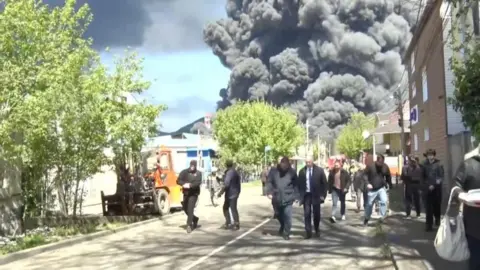
In a significant escalation of military operations, Ukrainian forces have launched their third consecutive strike against a major Russian oil refinery, intensifying pressure on Moscow's energy infrastructure. The attack on the refinery facility in Tuapse has prompted immediate evacuation orders for residents living in proximity to the burning installation, raising concerns about both immediate safety and environmental damage in the region.
The latest assault on the Russian oil refinery in Tuapse comes as authorities scramble to manage the aftermath of previous strikes that have already caused considerable damage to the facility. Emergency response teams are working around the clock to contain an expanding oil spill that resulted from earlier attacks on the strategic energy asset. The combination of active fires at the refinery and the spreading petroleum contamination has created a complex and dangerous situation for both emergency personnel and nearby civilian populations.
Local authorities have issued mandatory evacuation orders for residents in the immediate vicinity of the burning refinery, citing risks from potential explosions, toxic fumes, and environmental hazards. The evacuation represents a significant disruption to civilian life in the Tuapse region, as families are forced to abandon their homes with limited notice. Emergency services have established evacuation routes and temporary shelters to accommodate those displaced by the military operations.
The Ukrainian military strikes on Russian infrastructure reflect a strategic shift in the ongoing conflict, with Ukraine increasingly targeting the enemy's energy production capabilities. By focusing on oil refineries and related petroleum facilities, Ukraine aims to disrupt Russia's economic output and reduce available resources for military operations. The Tuapse refinery represents one of Russia's important energy assets, making it a logical target in this asymmetrical warfare strategy.
This pattern of repeated strikes against the same facility underscores Ukraine's determination to maximize damage to key Russian infrastructure. Each successive attack compounds the damage, making repairs increasingly difficult and costly for Russian authorities. The strategic targeting of Russian oil refineries has become a hallmark of Ukraine's recent military campaigns, demonstrating their capability to conduct precision operations deep within Russian territory.
The environmental consequences of the attacks extend beyond immediate safety concerns. The oil spill containment efforts must address not only the current release but also potential long-term ecological damage to surrounding areas. Water resources, soil quality, and local ecosystems face potential contamination from the petroleum products escaping the damaged refinery. Environmental specialists are assessing the full scope of the disaster and developing containment strategies to minimize lasting harm.
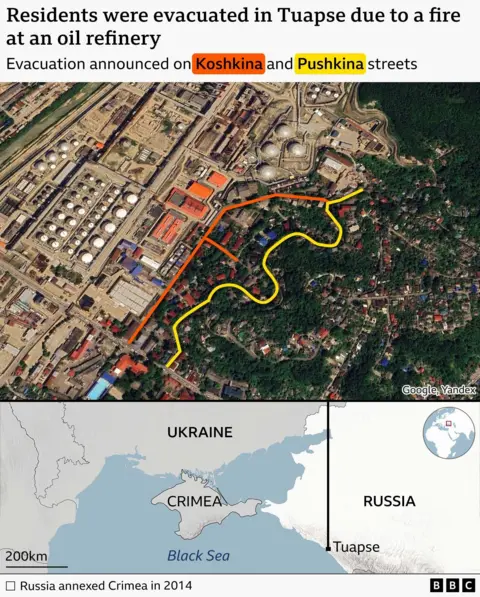
The evacuation of civilian populations near the refinery highlights the civilian toll of modern warfare, where strategic military targets located near populated areas create complex humanitarian challenges. Families must leave behind homes and possessions, facing uncertainty about when they might safely return. The psychological impact on evacuees is considerable, adding another layer of consequence to the military conflict.
Russian emergency services have mobilized extensive resources to combat the fires at the refinery and prevent further escalation. Firefighting teams are working under extremely challenging conditions, operating near an active military conflict zone while attempting to suppress petroleum fires that are difficult to extinguish. The technical complexity of controlling fires at a major refinery, combined with ongoing military operations, creates unprecedented operational challenges.
The repeated attacks on Russian oil facilities signal Ukraine's capability to conduct sustained operations against high-value targets despite the considerable distances involved. Whether using drones, missiles, or other weapons systems, Ukrainian forces have demonstrated the ability to penetrate Russian air defenses and strike critical infrastructure. This capability represents a significant shift in the conflict's dynamic, moving beyond traditional battlefield operations.
The economic implications of these strikes extend across Russia's energy sector and broader economy. Damaged refining capacity means reduced petroleum product availability for both civilian and military use. The costs of repairing such extensive damage accumulate rapidly, straining Russian resources already stretched by military expenditures. Each successful strike against refinery infrastructure represents both an immediate tactical victory and a long-term economic burden for Russia.
International observers continue to monitor the situation closely, recognizing that Ukrainian military operations against Russian oil infrastructure have potential ripple effects across global energy markets. Any significant disruption to Russia's oil production or refining capacity could influence worldwide energy prices and availability. The broader geopolitical implications of this conflict extend well beyond the immediate region, affecting energy security and economic stability globally.
As the situation develops, authorities in Tuapse and surrounding regions continue their dual focus on maintaining civilian safety while managing the environmental and structural damage caused by the attacks. The evacuation process is expected to continue as long as immediate dangers from the refinery remain elevated. Recovery and reconstruction efforts will likely extend far into the future, representing a significant long-term commitment of resources and personnel.
The pattern of strikes on Russian refinery facilities appears likely to continue, as Ukraine leverages its demonstrated capability to inflict damage on critical infrastructure. Military analysts suggest that targeting energy production represents an asymmetrical strategy that allows Ukraine to impose significant costs on Russia despite numerical disadvantages in conventional military forces. The strategic calculus behind these operations reflects Ukraine's commitment to degrading Russia's capacity to sustain its military operations over the long term.
来源: BBC News


