
美伊海峡对峙:双方都无法无限期地僵持下去

随着美国和伊朗围绕霍尔木兹海峡控制权发生冲突,军事紧张局势升级。专家警告说,两国都面临着不可持续的经济和战略压力。
The volatile situation unfolding across the Middle East has reached a critical juncture, with recent military exchanges between Iran and the United States raising serious concerns about regional stability and long-term strategic implications. Recent US strikes targeting Iranian positions represent merely the opening rounds of what analysts describe as an increasingly precarious standoff, one that neither nation can realistically maintain without facing severe economic and political consequences. The escalating tensions underscore the fundamental reality that the current trajectory of confrontation is unsustainable for both Washington and Tehran, creating pressure for negotiation despite the hardened rhetoric emanating from both capitals.
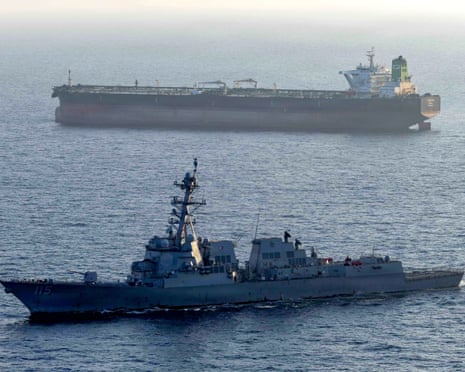
While President Donald Trump characterized the latest military operations as merely "a love tap," the underlying dynamics suggest a far more serious situation with potentially devastating implications for global energy markets and international stability. The Strait of Hormuz standoff represents one of the most critical chokepoints in global commerce, with approximately one-third of the world's seaborne traded oil passing through this vital waterway. The ability to control or disrupt this passage carries immense geopolitical weight, making the current confrontation far more consequential than casual characterizations might suggest.
The military asymmetry between the two nations appears stark on the surface. The US and its ally Israel have demonstrated comprehensive military superiority throughout the 38-day conflict, suffering minimal casualties while inflicting significant damage on Iranian assets and infrastructure. However, this apparent military advantage has not translated into the strategic dominance that Washington policymakers had anticipated, revealing a crucial gap between tactical military success and lasting geopolitical control. Meanwhile, Iran has managed to consolidate its position regarding the strait, leveraging its geographic proximity and naval capabilities to assert influence over maritime commerce and drive oil prices upward, creating economic pressure on the United States and its allies.
The economic ramifications of this standoff fall unevenly on the two nations, presenting a critical pressure point that will ultimately force a resolution.对于伊朗人来说,这种情况是一个生存挑战,因为该国经济仍然极易受到制裁、货币波动和石油出口能力中断的影响。 Simply maintaining the status quo could prove catastrophic for Iran's already-strained economy, with ordinary Iranians facing potential shortages of essential goods, inflation, and unemployment as the standoff continues.随着公民努力应对长期国际对抗所带来的现实后果,伊朗政府面临着解决危机的越来越大的国内压力。
相反,特朗普政府面临着源于旨在孤立和施压伊朗的政策的自身经济挑战。 The rising oil prices resulting from the Iranian strait control threaten to undermine economic gains that the administration has touted, potentially dampening consumer confidence and affecting GDP growth in crucial election cycle considerations.能源价格波及美国经济的各个领域,从交通运输到制造业再到消费品,对于一位以经济能力和繁荣为竞选主题的总统来说,持续上涨的石油成本在政治上是不可持续的。 This economic pressure creates an incentive for the Trump administration to seek a resolution, even as hardliners counsel continued confrontation.
The geopolitical dynamics at play extend far beyond bilateral US-Iran relations, encompassing critical interests of European nations, Asian economies, and global financial systems. China and India, both heavily dependent on Middle Eastern oil, have substantial economic stakes in resolving this crisis before supply disruptions become more severe.已经在能源安全挑战中苦苦挣扎的欧洲国家对中东长期的不稳定不感兴趣,因为中东的不稳定可能会使它们的经济状况进一步复杂化。 These third-party interests create international pressure for de-escalation and negotiation, potentially providing openings for diplomatic solutions if policymakers on both sides demonstrate willingness to engage.
Historical precedent suggests that maritime standoffs in this region, while dramatic, typically resolve through diplomatic channels when economic pain becomes sufficiently widespread.两伊战争期间,油轮战争扰乱了航运,最终加剧了导致冲突终止的压力。同样,产生《联合全面行动计划》(JCPOA) 的核谈判表明,尽管存在深刻的不信任和敌对言论,但当双方认识到持续对抗的共同代价时,就可以达成实质性协议。 The current situation, while dangerous, may ultimately follow similar patterns if sufficient economic pressure accumulates on both the American and Iranian sides.
The military balance, while favoring the United States and Israel in conventional capabilities, masks the strategic realities of sustained regional conflict. Prolonged confrontation guarantees continued volatility in energy markets, creating headwinds for global economic growth and complicating policy decisions for central banks worldwide.此外,对峙持续的时间越长,非国家行为者误判、发生事故或未经授权采取行动的风险就越大,这些风险可能会使局势升级,超出任何国家的意图或控制范围。 Both the US and Iran have sufficient military capability to inflict meaningful damage on each other's interests, even if overall strategic superiority tilts toward Washington.
For Iranian leadership, the calculus involves recognizing that continued economic pressure from sanctions combined with the costs of military confrontation could ultimately force greater concessions than might be negotiated now from a position of relative strength regarding the strait.对于特朗普政府来说,认识到军事优势不会自动转化为政治成功,再加上油价上涨带来的国内经济压力,促使他们探索外交出口,让双方都能获得战术或战略利益。 The current situation resembles a high-stakes game of chicken where both drivers eventually must swerve to avoid catastrophic collision.
The fundamental reality underpinning this analysis is that neither side can sustain the current standoff indefinitely without incurring costs that exceed the benefits of continued confrontation.伊朗无法在维持当前军事态势的同时承受持续的经济压力,美国也无法在不损害其经济和政治利益的情况下维持油价上涨和全球市场不稳定。 This recognition should eventually push both nations toward negotiating some form of resolution, whether through quiet diplomatic channels, international mediation, or a combination of military signaling and dialogue. The window for achieving a negotiated settlement remains open, but it will not remain so indefinitely as economic costs continue to accumulate and the risk of unintended escalation increases with each exchange of fire.
来源: The Guardian


