
Xbox Game Library Filters Transform Messy Collections

Microsoft introduces advanced filtering tools to organize Xbox game libraries. New startup experience also being tested to enhance user experience.
Microsoft is taking significant steps to address one of the most persistent frustrations among Xbox users: the overwhelming chaos of massive game libraries. The company has unveiled a comprehensive suite of new filtering tools designed to help gamers navigate, discover, and manage their collections with unprecedented ease and efficiency. This initiative represents a meaningful investment in user experience, acknowledging that as digital game libraries continue to expand, players need better organizational systems to keep everything accessible and manageable.
The Xbox game library has become increasingly sprawling as subscription services like Game Pass add hundreds of titles regularly. Many players find themselves scrolling endlessly through their collection, struggling to locate specific games or remember what they own. This problem has only intensified as the number of available games continues to grow exponentially. Microsoft recognized this pain point and responded with thoughtful solutions that put player convenience at the forefront of their development priorities.
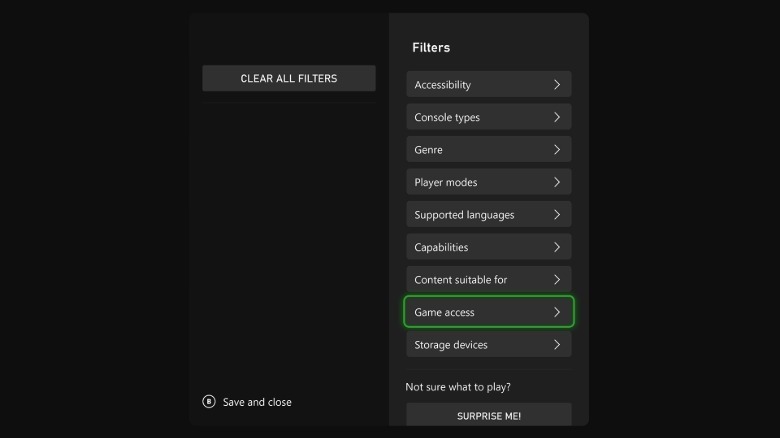
The new filtering capabilities offer gamers multiple ways to sort and categorize their games beyond the basic alphabetical or recently played arrangements. Players can now filter by genre, allowing them to quickly isolate action games, role-playing experiences, puzzle challenges, sports titles, or any other category that resonates with their current mood or preferences. Additionally, the system supports filtering by playtime, installation status, and completion level, giving users granular control over how they view their collections.
Beyond game-specific filters, Microsoft is also implementing personalized organization options that learn from user behavior over time. The system can track which games users launch most frequently, which ones they've recently completed, and which titles they've been meaning to play but haven't gotten around to yet. This intelligent approach transforms the library from a static list into a dynamic interface that adapts to individual gaming habits and preferences, making the most relevant games readily accessible.
The company is simultaneously testing a new startup experience that fundamentally reimagines how players interact with their Xbox console when they first turn it on. Rather than presenting the existing interface with its various menus and options scattered across the screen, the redesigned startup sequence aims to be more intuitive, faster, and more visually engaging. This improved first impression could significantly enhance player satisfaction and reduce the time spent navigating menus before actually starting to play.
The startup experience redesign focuses on getting users into their chosen games faster while prominently featuring Game Pass recommendations and featured content. The interface is expected to highlight new releases, trending games, and personally recommended titles based on a player's gaming history and preferences. By streamlining the startup process, Microsoft hopes to reduce friction in the user experience and make accessing games feel more seamless and enjoyable.
These improvements come as part of Microsoft's broader strategy to enhance the Xbox user experience across all its platforms and devices. The company has been actively listening to community feedback and incorporating user suggestions into its development roadmap. Gamers have consistently requested better organization tools, and Microsoft is demonstrating its commitment to addressing these demands with meaningful, practical solutions that will genuinely improve daily usage.
The timing of these updates is particularly significant given the competitive landscape of gaming consoles. With PlayStation and Nintendo also offering robust digital libraries and user-friendly interfaces, Microsoft needs to ensure that Xbox remains an attractive platform choice. By prioritizing user experience enhancements like library management and startup optimization, the company is signaling that it values player convenience and satisfaction as core components of its service offering.
Industry observers note that these features reflect broader trends in digital entertainment platforms. Streaming services like Netflix and Spotify have long invested in sophisticated recommendation and filtering systems because they recognize that helping users find relevant content quickly is essential to engagement and satisfaction. Microsoft is applying these proven principles to gaming, understanding that a better-organized library translates directly to more playtime and happier players.

The Game Pass subscription service particularly benefits from these organizational improvements. With hundreds of titles available through the service, players need effective ways to discover games they might enjoy. The enhanced filtering and personalized recommendations will help Game Pass subscribers find their next favorite game more easily, potentially increasing engagement with the service and demonstrating its value proposition more effectively. This could translate to better retention rates and increased subscriber satisfaction across Microsoft's gaming ecosystem.
Early testing feedback has been predominantly positive, with beta testers praising the intuitive nature of the new filters and the significantly improved startup experience. Users report spending less time navigating menus and more time actually playing games, which is precisely what these improvements were designed to accomplish. The enthusiasm from testers suggests that Microsoft may be onto something genuinely valuable that addresses real user needs rather than adding unnecessary complexity.
Looking ahead, Microsoft has indicated that it will continue refining these features based on ongoing user feedback before rolling them out to the broader Xbox community. The company remains committed to the iterative development approach that allows for continuous improvements and adjustments based on real-world usage patterns. This methodical approach ensures that the final versions of these features will be as polished and user-friendly as possible when they launch to all players.
The introduction of these organizational enhancements underscores Microsoft's dedication to keeping Xbox competitive and player-focused in an increasingly crowded gaming market. By acknowledging and addressing the legitimate frustrations that come with managing large digital libraries, the company demonstrates that it understands its audience and is willing to invest resources in meaningful quality-of-life improvements. These features may not be flashy or headline-grabbing, but they represent the kind of thoughtful, user-centered design that keeps players engaged and satisfied with their gaming platform of choice.
来源: Engadget


