
1,500 Beagles Freed From Wisconsin Research Facility

Big Dog Ranch Rescue secures landmark deal to rescue 1,500 beagles from Ridglan Farms breeding facility following sustained animal welfare protests.
In a significant victory for animal welfare advocates, Big Dog Ranch Rescue has negotiated a groundbreaking agreement to acquire 1,500 beagles from Ridglan Farms, a controversial Wisconsin breeding and research facility that has faced intense scrutiny and organized protests in recent months. This landmark rescue operation represents one of the largest single animal welfare interventions of its kind, offering hope to thousands of dogs that have spent their lives in laboratory and breeding conditions.
The first group of beagles to arrive at the rescue facility displayed immediate signs of relief and emotional response to their newfound freedom. According to Lauree Simmons, the president and founder of Big Dog Ranch Rescue, the dogs demonstrated remarkable resilience and capacity for affection despite their previous circumstances. "They started within an hour or so coming up to us, wanting attention. Some crawled in people's laps. Every single one of them are super sweet," Simmons recounted on Sunday, her voice reflecting both joy and compassion for the animals.
What struck rescue workers most profoundly was the dogs' apparent awareness of their changed circumstances. Simmons emphasized this observation, noting that the beagles seemed to comprehend their new safety immediately. "I think they are loving the attention. I just know they know they're safe," she said, highlighting the emotional intelligence and sensitivity these animals possess. This response underscores the psychological impact that laboratory confinement has on companion animals and their capacity to respond positively when removed from stressful environments.

The Ridglan Farms facility had become a focal point for animal rights organizations and concerned citizens throughout the Wisconsin region. Recent protests at the breeding facility highlighted growing public awareness and concern about the conditions in which research and breeding dogs are maintained. These demonstrations reflected a broader national conversation about ethical standards in laboratory animal care and the responsibilities of facilities that breed animals for research purposes.
Big Dog Ranch Rescue's acquisition of these animals represents the culmination of careful negotiations and sustained advocacy efforts. The organization, known for its comprehensive animal care programs and rehabilitation services, has extensive experience handling dogs from challenging backgrounds. The rescue facility operates on the principle that every dog, regardless of its past, deserves a second chance at a healthy, happy life with proper medical care, behavioral support, and eventual placement in loving homes.
The sheer scale of this rescue operation presents both opportunities and challenges for the organization. Housing, feeding, and providing medical care for 1,500 dogs simultaneously requires substantial resources, dedicated staff, and a well-organized infrastructure. Big Dog Ranch Rescue has mobilized its network of volunteers, veterinary professionals, and support staff to manage this unprecedented undertaking, demonstrating the capability of well-run animal rescue organizations to respond to large-scale situations.
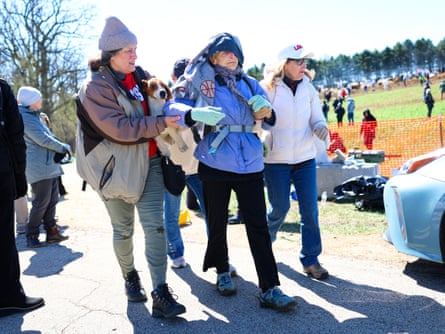
The beagles rescued from Ridglan Farms will undergo comprehensive health evaluations upon arrival at the rescue facility. This assessment process includes veterinary examinations, behavioral evaluations, and individualized care plans designed to address each dog's specific needs. Many of these animals may require treatment for physical health issues, and all will benefit from behavioral rehabilitation as they adjust to life outside the laboratory environment. The rescue rehabilitation process represents a crucial transition period for animals accustomed to highly controlled, structured conditions.
Looking forward, Big Dog Ranch Rescue must coordinate the adoption process for thousands of dogs while ensuring appropriate placement in suitable homes. The organization maintains rigorous screening procedures for potential adopters to ensure that each dog is matched with a family capable of providing appropriate long-term care. This careful matching process, while time-consuming, represents a critical safeguard against future animal welfare concerns and helps ensure successful, lasting placements.
The broader implications of this rescue extend beyond the immediate welfare of the 1,500 dogs involved. The deal signals shifting public attitudes toward laboratory animal breeding and research facility operations. As consumers, policymakers, and advocacy organizations increasingly scrutinize the conditions of animals in research and breeding facilities, facilities like Ridglan Farms face growing pressure to reform their operations or cease breeding activities entirely. This rescue represents a tangible outcome of sustained public engagement with animal welfare issues.
Support for this rescue operation has come from diverse quarters, including individual donors, corporate sponsors, and partnering animal welfare organizations. The financial and logistical support required to execute such a large-scale rescue reflects genuine commitment from the broader animal advocacy community. Many supporters recognize that this single intervention, while significant, addresses only one facility among numerous breeding and research operations across the country.
The beagle rescue success story offers hope and inspiration to countless other animals still confined in similar conditions. While Big Dog Ranch Rescue's capacity has been stretched to accommodate this large influx of dogs, the organization's success demonstrates what becomes possible when animal welfare advocates, rescue professionals, and concerned citizens work in concert toward a common goal. The beagles' rapid transformation from fearful laboratory subjects to affectionate, trusting animals validates the fundamental premise of animal rescue work: that compassion and proper care can heal even the deepest wounds inflicted by confinement and neglect.
As these 1,500 beagles begin their journeys toward permanent homes and full recovery, their story will undoubtedly inspire continued efforts to improve conditions for laboratory animals and strengthen regulations governing animal research facilities. The faces of these grateful, loving dogs will remain powerful reminders of why animal welfare matters and why organizations like Big Dog Ranch Rescue continue their vital work despite the enormous challenges they face.
Source: The Guardian


