
1,500 Miles Away: One Woman's Choice

A woman relocates across the country to reunite with her deported husband, highlighting immigration's emotional toll on American families facing separation.
Immigration enforcement has torn apart countless American households, forcing families into impossible decisions that test the bonds of marriage and commitment. One woman's story exemplifies the heart-wrenching choices that spouses of deported immigrants must confront when facing the threat of permanent separation. Her decision to uproot her entire life and travel 1,500 miles represents the growing crisis affecting millions of families across the United States as immigration policies continue to reshape American communities.
The journey began when her husband received a deportation order following a legal determination that he had entered the country without proper authorization. Like thousands of other undocumented immigrants, he faced removal proceedings that offered limited opportunities for appeal or legal intervention. The immigration deportation process moved swiftly through the system, leaving the couple with mere weeks to make life-altering decisions about their future together. For this family, the choice was stark: remain separated by thousands of miles or abandon their American home and start anew in a foreign country.
The emotional weight of this decision cannot be overstated, as the couple grappled with the reality that their marriage would either survive the test of international separation or dissolve under the strain. They had built a life together in America, establishing roots, friendships, and a sense of home that had taken years to develop. The prospect of losing everything—their house, their jobs, their community connections—weighed heavily on both spouses as they contemplated the path forward. After careful consideration and difficult conversations with family and friends, she made the courageous decision to follow her husband.

The logistics of such a dramatic relocation are staggering and require meticulous planning. Selling a home, terminating employment, and arranging international travel all happened within a compressed timeframe that left little room for error or second thoughts. Beyond the practical considerations, the psychological impact of leaving behind an entire existence—memories embedded in specific places, relationships cultivated over years, and the familiar rhythms of daily American life—represented a profound loss. She had to navigate the bureaucratic maze of immigration law to understand visa requirements, residency options, and the legal pathway to joining her husband in his country of origin.
Her story illuminates the broader crisis affecting American families with undocumented members who face increasingly stringent immigration enforcement. The Trump and Biden administrations have both prioritized deportation enforcement, resulting in record numbers of removal cases processed through immigration courts. Families have limited time to adapt, advocate, or explore legal alternatives once deportation orders are issued. These policies create situations where American citizens—people born and raised in the United States—must choose between staying in their homeland or abandoning it to preserve their marriages and family units.
The financial burden of such decisions extends far beyond the immediate costs of relocation. She faced the loss of retirement savings, the depreciation that comes with selling a home quickly, and the uncertainty of establishing employment in a new country where she may not speak the language fluently. Healthcare coverage, insurance policies, and social safety nets she had relied upon for years suddenly became inaccessible. The spousal immigration sponsorship process, while potentially available in some cases, requires significant financial resources and months of processing time that most families cannot afford to wait.

Immigration advocates argue that such cases demonstrate the fundamental failure of current deportation policies to account for family relationships and the lived experiences of American citizens whose spouses face removal. Many of these individuals have deep roots in American society—children in American schools, property ownership, employment history, and family ties spanning decades. The rigid application of immigration law ignores the human dimension of these cases, prioritizing legal status over the welfare of families and relationships.
Her relocation also raises questions about the sustainability of such sacrifices and the long-term viability of maintaining a life abroad. Adjusting to a new culture, learning a new language, and rebuilding professional credentials in a foreign job market present ongoing challenges that extend far beyond the initial moving process. She faces the reality of potentially never returning to the United States, at least not until immigration law and circumstances change enough to permit her husband's reentry. This permanent exile, chosen voluntarily but forced by circumstance, represents a silent cost of immigration enforcement that rarely makes headlines.
The couple's experience reflects broader demographic patterns, as an estimated 5.5 million American citizens live with at least one undocumented family member. These families are spread across the country, representing diverse occupational backgrounds, income levels, and educational attainment. Many have children born on American soil, yet still face the constant threat of family separation when immigration enforcement focuses on deporting undocumented parents and spouses. The undocumented immigrant families caught in this system often make their decisions in isolation, unaware of available resources or advocacy organizations that might help them navigate their options.
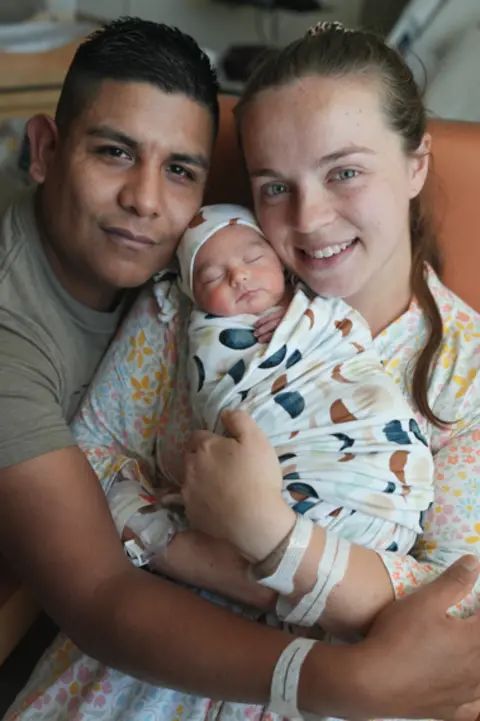
Her story has resonated with immigrant advocacy groups who view it as emblematic of the human cost of hardline immigration policies. Organizations dedicated to protecting immigrant rights have highlighted her case as evidence that enforcement-focused approaches fail to account for American citizens' rights and the destruction of family units. They argue for comprehensive immigration reform that would provide pathways to legal status for undocumented immigrants already embedded in American communities, thereby preventing situations where citizens must choose between country and family.
Looking forward, the couple faces an uncertain future in their new home country. They must navigate the complexities of establishing permanent residency, securing employment, and rebuilding the life they left behind. The psychological and emotional adjustment to permanent relocation will likely extend for years, as memories of their American home surface unexpectedly. Yet their commitment to their marriage ultimately proved stronger than the legal barriers designed to separate them, demonstrating that immigration enforcement, for all its bureaucratic power, cannot completely sever the bonds that hold families together.
This case ultimately represents one of thousands unfolding across America, where immigration deportation cases force families into impossible choices that no government policy should impose. The decision to relocate 1,500 miles away from everything familiar reflects the desperation of a woman determined to preserve her marriage and family unit despite systemic barriers designed to keep immigrant families divided. As immigration debates continue in political and legislative arenas, the human stories behind the statistics deserve greater consideration in shaping policy decisions that fundamentally alter the lives of millions of American citizens and their families.
Source: BBC News


