
11,000 North Korean Troops: Russia's Hidden Casualty Crisis

Thousands of North Korean soldiers deployed to Russia's Ukraine war. New memorial reveals staggering death toll from the controversial military alliance.
In a striking development that underscores the expanding nature of Russia's military operations in Ukraine, evidence has emerged suggesting that an estimated 11,000 North Korean soldiers have been deployed to fight alongside Russian forces. This unprecedented military arrangement represents one of the most significant international military collaborations in recent history, with profound implications for global geopolitics and the ongoing conflict in Eastern Europe.
The deployment of North Korean troops to Russian forces marks a dramatic escalation in Russia's strategy to bolster its military capabilities as the war in Ukraine continues to grind on. These soldiers, reportedly drawn from the ranks of North Korea's massive standing army, have been integrated into Russian military units operating on various fronts throughout the conflict. The scale of this deployment—estimated at around 11,000 personnel—suggests a coordinated effort between Moscow and Pyongyang to strengthen Russia's fighting force.
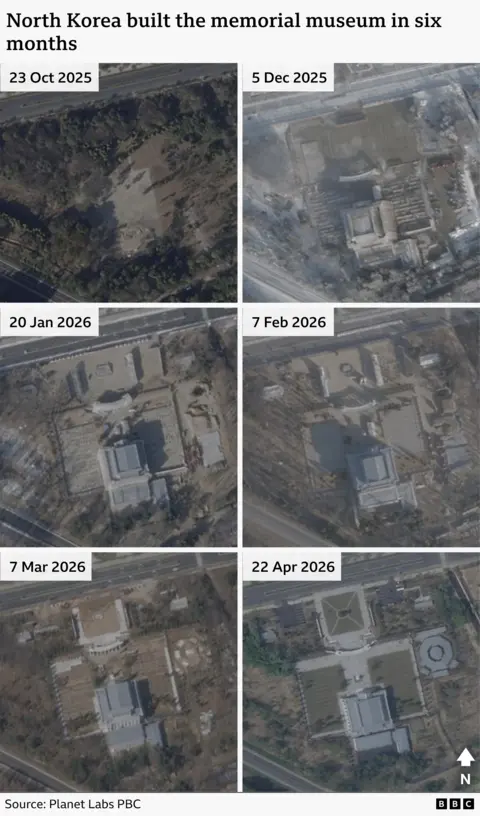
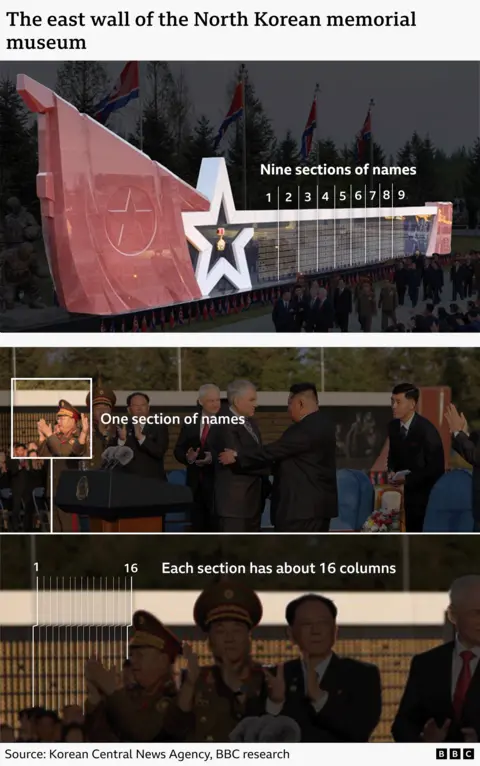
Recent reports indicate that a memorial site has surfaced, offering haunting evidence of the human cost of this military partnership. The memorial, whose existence was confirmed through multiple sources, appears to document casualties among the North Korean contingent. This discovery has raised significant questions about the actual death toll among North Korean forces serving in the Russian military, as well as the circumstances under which they were deployed and the conditions they faced on the battlefield.
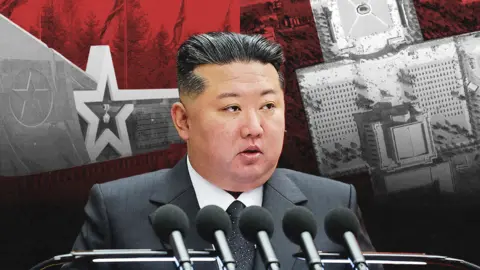
The presence of North Korean troops in Russia's war effort challenges long-standing assumptions about the conflict's scope and the alliances forming around it. For decades, North Korea has maintained a policy of military self-reliance, with its massive armed forces primarily focused on internal security and deterrence against potential external threats. The decision to send troops abroad to fight in Russia's war represents a remarkable departure from this historical pattern, suggesting either significant pressure from Moscow or extraordinary incentives offered by the Kremlin.
Military analysts have long speculated about the possibility of such deployment, but confirmation through reports and visual evidence has proven more difficult to establish. The emergence of a memorial site dedicated to these fallen soldiers provides concrete proof that casualties have indeed occurred among the North Korean contingent. The very existence of such a memorial, whether official or informal, underscores the gravity of the situation and the real human cost of the military arrangement between North Korea and Russia.
The integration of North Korean troops into Russian military operations raises complex questions about their training, command structure, and operational effectiveness. Reports suggest that these soldiers have been distributed across different military units rather than maintaining separate North Korean formations, which would facilitate their integration into existing Russian command structures. This approach differs from traditional practices in international military cooperation and may reflect specific strategic considerations by Russian military planners.
Conditions faced by North Korean soldiers serving in Ukraine have been a subject of growing international concern. Accounts from various sources suggest that these troops have been deployed to some of the most challenging and dangerous sectors of the front, where casualty rates among Russian forces have been notably high. The apparent willingness to place these soldiers in high-casualty situations raises ethical questions and may indicate that Russian military leadership views these foreign troops as more expendable than Russian personnel.
The relationship between Russia and North Korea has historically been complex, shaped by Cold War legacies and evolving regional dynamics. However, the current conflict in Ukraine has created new opportunities for military cooperation between the two nations. Both countries face significant international isolation and sanctions regimes, creating mutual interests in supporting each other's strategic objectives. The deployment of North Korean troops can be understood within this broader context of deepening ties between Moscow and Pyongyang.
International observers have struggled to verify the exact nature and scope of North Korean military involvement in Russia's war effort. Intelligence agencies from various Western nations have conducted extensive analysis of available evidence, including satellite imagery, communications intercepts, and human intelligence. The confirmation of approximately 11,000 North Korean soldiers represents a significant intelligence assessment that has major implications for understanding the Russia-Ukraine conflict and its international dimensions.
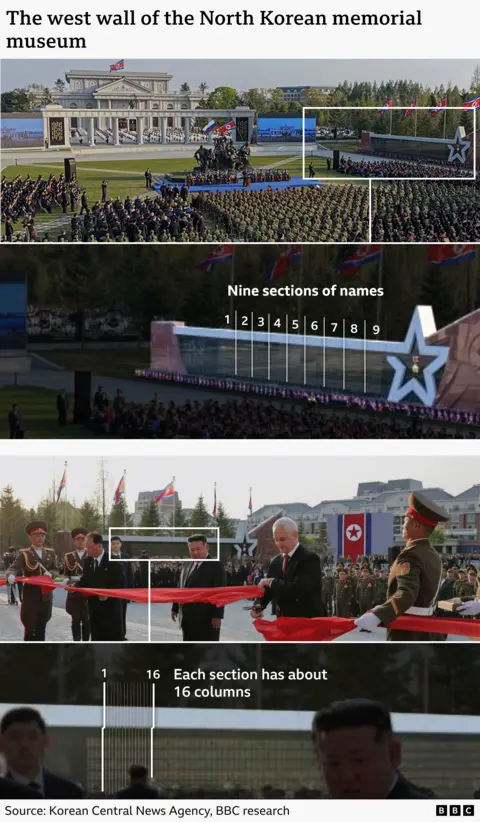
The memorial that has come to light provides a tangible reminder of the human toll exacted by this military arrangement. Whether officially sanctioned or informally erected by grieving communities, such memorials serve important functions in societies dealing with large-scale military losses. The existence of a memorial specifically acknowledging North Korean casualties suggests that information about these deaths has reached home communities and that the Korean peninsula is grappling with the reality of its citizens dying in a foreign war.
Strategic implications of this development extend far beyond the immediate military situation in Ukraine. The willingness of North Korea to commit significant military resources to Russia's war effort suggests alignment on broader geopolitical issues and may presage further military cooperation between these nations. Additionally, this arrangement demonstrates how the Ukraine conflict has become increasingly internationalized, with states from different regions finding common cause with Russia in its struggle against Ukraine and Western support for Kyiv.
The North Korean troop deployment has not gone unnoticed by Ukrainian military officials and Western intelligence services. Ukrainian military analysts have incorporated information about these foreign fighters into their understanding of Russian capabilities and operational planning. The presence of North Korean soldiers on Ukrainian territory has added another layer of complexity to an already intricate conflict involving multiple foreign fighters and volunteer formations from various nations.
Questions about the future of this military partnership remain open. Will North Korea continue to supply troops to Russia as the conflict evolves? Are there agreements already in place for additional deployments? How will the North Korean government manage the political fallout from significant military casualties among its citizens? These questions will likely dominate analysis of Korea-Russia relations in the coming months.
The revelation of significant North Korean military losses through the existence of memorial sites serves as a sobering reminder of the human cost of international conflicts. Each casualty represents not only a military loss but also families affected by death, communities mourning their losses, and broader societal impacts that extend beyond the immediate theater of war. The international military cooperation between Russia and North Korea, whatever its strategic rationale, is being paid for in the currency of human lives.
As the Ukraine conflict continues to evolve, the role of North Korean forces and other international participants will remain an important factor in military assessments and strategic planning. The evidence provided by memorial sites and other documentation of casualties among North Korean troops underscores the serious commitment both countries have made to their military partnership. Future historical accounts of this conflict will undoubtedly need to incorporate the experiences and sacrifices of these thousands of North Korean soldiers who found themselves fighting thousands of miles from home.
Source: BBC News


