
17,000 Evacuated as Sandy Fire Spreads in Southern California

Over 17,000 residents flee homes in Simi Valley as wind-driven wildfire destroys properties. Hundreds of firefighters battle the Sandy Fire northwest of Los Angeles.
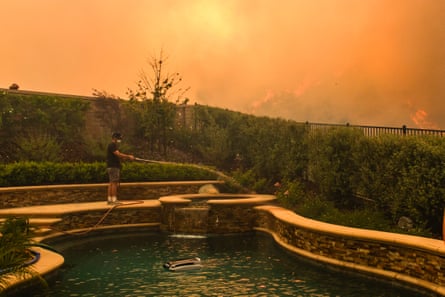
More than 17,000 residents in southern California have been placed under mandatory evacuation orders as a rapidly spreading wildfire continues to threaten suburban communities and residential areas throughout the region. The Sandy Fire, which was first reported on Monday evening in the elevated terrain above Simi Valley, has escalated into a significant threat, forcing authorities to implement emergency protocols to protect lives and property in the affected areas.
The fire was initially spotted in the hills overlooking Simi Valley, a suburban community located approximately 30 miles northwest of Los Angeles in Ventura County. Wind-driven fire conditions have proven to be a major complicating factor in containment efforts, with gusty winds pushing the flames across dry vegetation and creating unpredictable fire behavior. Firefighting officials have mobilized hundreds of personnel to combat the blaze, establishing defensive perimeters around residential neighborhoods while attempting to prevent the fire's eastward advance toward populated areas.
As of Tuesday morning, at least one residential home has been confirmed destroyed by the advancing flames, with authorities warning that additional structures may be at risk as the fire continues its destructive path. The exact total acreage consumed by the Sandy Fire has grown significantly since the initial reports, with the blaze expanding rapidly due to low humidity levels, high temperatures, and persistent wind gusts that have challenged firefighting operations throughout the evening and early morning hours.

Emergency management officials have implemented a coordinated evacuation strategy, establishing multiple evacuation zones and designated safe routes for residents fleeing the threatened areas. Law enforcement agencies are actively patrolling evacuation zones to ensure compliance with mandatory orders and to assist residents who may require additional support during the evacuation process. Traffic management personnel have been deployed to major roadways to direct the flow of vehicles and prevent congestion that could impede emergency response vehicles.
The Sandy Fire evacuation represents one of several significant incidents that have occurred in the Los Angeles metropolitan area during the current fire season. Southern California's topography, characterized by steep hillsides and dense vegetation in many areas, creates conditions that are particularly vulnerable to rapid fire spread, especially when strong winds are present. The region's Mediterranean climate, with hot, dry summers and minimal rainfall, further increases the risk of catastrophic wildfires during peak season months.
Firefighting resources have been concentrated on establishing and maintaining defensive lines around the most densely populated areas, while also working to protect critical infrastructure including power lines, water treatment facilities, and emergency service installations. Air support operations, including helicopter water drops and aerial reconnaissance, have been deployed to supplement ground-based firefighting efforts. Cal Fire personnel are working in coordination with local fire departments and mutual aid resources from neighboring counties.
Residents who remain in areas not yet under mandatory evacuation have been advised to prepare evacuation kits and monitor official communications for potential updates to their status. Evacuation warning zones, which represent areas where residents should be prepared to leave on short notice, have been established in several additional neighborhoods surrounding the primary fire perimeter. Emergency management officials stress the importance of having important documents, medications, and irreplaceable items readily accessible in case evacuation orders are expanded.
Air quality in the region has deteriorated significantly due to smoke from the Sandy Fire, with particulate matter levels exceeding safe thresholds in areas downwind from the fire's smoke column. Health officials have recommended that vulnerable populations, including elderly individuals and those with respiratory conditions, remain indoors with air filtration systems operating. The smoke plume is expected to continue affecting air quality throughout the region for several days, even if containment progress is achieved on the fire itself.
Local authorities have established evacuation centers where displaced residents can receive assistance, including temporary shelter options, meal services, and information regarding available support programs. Red Cross volunteers and community organization personnel are staffing these facilities to help residents navigate the challenges associated with emergency displacement. Pet-friendly evacuation areas have also been designated to accommodate residents who are evacuating with companion animals.
The Sandy Fire incident underscores the ongoing challenges that southern California communities face regarding wildfire preparedness and response capabilities during periods of elevated fire danger. Climate patterns in recent years have extended the fire season, resulting in more frequent and intense wildfire incidents across the region. Community preparedness initiatives and home hardening efforts have become increasingly important as residents work to protect their properties from potential fire damage.
Investigators will ultimately determine the cause of the Sandy Fire once containment is achieved and conditions permit detailed investigation of the fire's origin area. Initial assessments suggest that the fire began in an unpopulated area, which allowed it to grow unchecked until it became visible enough to trigger emergency response protocols. The exact circumstances of ignition remain under investigation by Cal Fire personnel and local law enforcement agencies.
As evacuation operations continue, emergency management officials are working to balance the urgent need to move people to safety with the challenges of managing large-scale population movements across limited roadways. Traffic incidents and vehicle breakdowns could significantly impact evacuation progress, prompting officials to request that residents depart early and avoid peak evacuation periods. The availability of multiple evacuation routes helps distribute traffic and reduce the potential for congestion-related delays.
The economic impact of the Sandy Fire extends beyond the immediate property damage, as businesses located in evacuation zones must suspend operations and evacuate employees and valuable materials. Insurance companies have begun receiving claims related to property damage and business interruption losses. Long-term recovery efforts will likely require significant resources and coordination among multiple agencies and organizations committed to community restoration.
Source: The Guardian


