
18 Wolves Dead in Italian Park: Poisoning Suspected

Investigation underway after 18 wolf carcasses discovered in Italian national park. Authorities suspect deliberate poisoning in what could be a targeted wildlife attack.
A troubling discovery has unfolded in one of Italy's most significant protected areas, where wildlife officials are grappling with a potential environmental catastrophe. The deaths of 18 wolves across a national park have sparked widespread concern among conservationists and government authorities, who are now treating the incident as a possible case of deliberate wildlife poisoning.
The investigation began when initial reports came in detailing the discovery of 10 wolf carcasses found last week throughout the park's protected boundaries. What started as an alarming cluster of deaths quickly escalated when an additional eight wolves were discovered over the following days, doubling the scale of the suspected incident. These discoveries have raised serious questions about the circumstances surrounding the deaths and potential criminal activity within the park's jurisdiction.
Park officials and wildlife experts have initiated comprehensive forensic examinations to determine the exact cause of death for each animal. Early indications point toward poisoning as the likely culprit, though investigators are still working to identify the specific toxin or substance involved. The pattern and timeline of the deaths suggest this may not be a natural occurrence but rather a deliberate act targeting the wolf population.
The Italian national park where these deaths occurred is home to a carefully managed wolf population that has been the subject of extensive conservation efforts over recent decades. Wolves were hunted to near extinction in Italy throughout the 20th century, and their return to the country's wild spaces represented a significant conservation success story. This recent tragedy threatens to undermine years of hard work by dedicated wildlife managers and researchers who have worked to restore the species to its natural habitat.
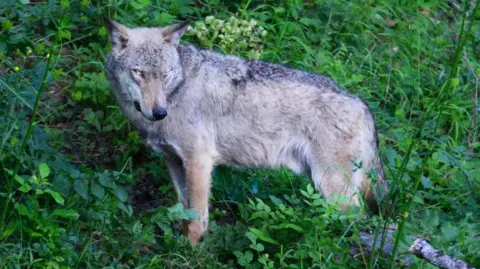
The discovery of such a large number of deceased wolves in a concentrated area within a relatively short timeframe is highly unusual and suggests a coordinated action rather than isolated incidents. Wildlife authorities are treating the case with the utmost seriousness, recognizing the potential implications for the broader ecosystem and the delicate balance that has been established within the park over the past several years. The investigation extends beyond simple determination of cause, encompassing a full criminal inquiry into who may have been responsible.
Poisoning incidents targeting wildlife in European protected areas are not without precedent, though cases involving this many animals at once remain comparatively rare. Previous investigations into similar situations have revealed various motives, ranging from farmer concerns about livestock predation to poaching operations and organized illegal hunting networks. The circumstances of this particular incident will be crucial in determining which category this incident falls into and what preventative measures might be implemented.
The ecological implications of losing 18 wolves from a single population cannot be understated. Wolves play a critical role as apex predators in maintaining ecosystem balance, controlling herbivore populations and preventing overgrazing that can degrade habitat quality. The sudden removal of this many individuals from the breeding population could have ripple effects throughout the food web and landscape dynamics for years to come.
Environmental groups and wildlife conservation organizations throughout Italy and across Europe have responded to the news with alarm and calls for swift action. Conservation efforts for wolves in Italy represent significant investment from both public and private sectors, making this incident not just an ecological concern but also a matter of considerable economic and cultural importance. The symbolic value of wolves in Italian wilderness cannot be separated from the practical realities of their ecological function.
Experts are particularly concerned about the timing of this incident and what it might signal about attitudes toward the wolf population among certain segments of the public. The discovery of 18 poisoned wolves suggests someone had both the means and the determination to carry out this action, raising questions about whether this represents isolated criminal activity or part of a broader pattern of anti-predator sentiment in the region. Understanding the motivation behind these deaths will be essential for developing an appropriate response.
The investigation process itself presents significant challenges. Determining the exact substance used in the poisoning requires specialized forensic analysis, which takes considerable time to complete. Additionally, identifying who may have been responsible for administering the poison will require careful examination of the crime scene, witness interviews, and potentially analysis of security footage if any cameras monitor the park areas where the wolves were found.
Park management officials are implementing heightened security measures and increased patrols throughout the protected area to prevent further incidents while the investigation continues. These efforts aim not only to protect the remaining wolf population but also to gather additional evidence that might help identify the perpetrators. The presence of park rangers in areas where wolves are known to frequent may also serve as a deterrent to anyone considering further illegal activity.
Wolf population management in Italy requires balancing the needs of local communities with conservation objectives. Some agricultural interests have expressed concerns about predation on livestock, though compensation programs and protective measures are in place to address these issues. The majority of predation incidents can be managed without resorting to widespread killing, but tensions between conservation and rural livelihoods occasionally surface in dramatic ways.
The broader context of European wolf conservation adds significance to this incident. Several European nations have successfully reestablished wolf populations after decades of absence, creating opportunities for ecosystem restoration and wildlife appreciation. However, these successes have also generated controversies in regions where wolves and human activities intersect, particularly in agricultural areas where livestock losses can impact rural economies.
Law enforcement agencies are coordinating across multiple jurisdictional boundaries to ensure a thorough investigation. The poisoning incident may potentially violate both wildlife protection laws and criminal statutes depending on what evidence emerges. Penalties for deliberately poisoning protected wildlife species in Italy can be severe, reflecting the legal protections afforded to these animals under national and European environmental legislation.
As the investigation progresses, wildlife authorities will likely focus on identifying any patterns that might connect this incident to other suspected poisoning cases in the region. A comprehensive analysis of historical incidents could reveal whether this represents an escalation of a long-standing problem or an unprecedented act. Such context would be invaluable for determining appropriate policy responses and enforcement priorities.
The incident underscores the ongoing challenges faced by conservation programs in maintaining public support and ensuring the safety of recovering wildlife populations. Education and outreach efforts that help communities understand the value and behavior of wolves may become increasingly important as stakeholders grapple with this tragedy. Building trust between wildlife managers and local residents will be essential for preventing similar incidents in the future and ensuring the long-term success of wolf recovery efforts in Italy.
Moving forward, this case will likely influence policy discussions around wildlife protection and enforcement in Italian national parks. The findings and conclusions from the investigation could lead to enhanced security measures, revised management protocols, or stronger penalties for crimes against protected species. The outcome will serve as a test of Italy's commitment to its conservation objectives and its ability to prosecute those who threaten these programs.
Source: BBC News


