
18 Wolves Found Dead in Italian Park Mass Poisoning

Criminal investigation launched after 18 wolf carcasses discovered in Italian national park within one week. Conservationists call it worst wildlife crime in a decade.
A criminal investigation has been initiated following the discovery of multiple wolf carcasses across one of Italy's most important protected areas. Authorities are treating the deaths as a coordinated series of poisonings that has shocked wildlife conservation groups across the country and raised serious concerns about the protection of endangered species in the region.
The Abruzzo, Lazio and Molise National Park has become the focal point of an unprecedented wildlife tragedy, with 18 wolves found dead within just seven days. Park authorities confirmed that eight of the deceased wolves were discovered in recent days scattered across three separate locations within the sprawling protected area, while an additional ten carcasses had surfaced during the previous week. The sheer number of deaths in such a compressed timeframe has alarmed environmental groups and park officials alike.
Beyond the devastating toll on the wolf population, the incident has affected other wildlife species as well. Three dead foxes and a buzzard were also discovered among the carcasses, suggesting that the poisoning may have been indiscriminate or that secondary poisoning occurred through the food chain. These additional deaths indicate the broader ecological impact of whatever toxic substance was used in what authorities are treating as a deliberate act.
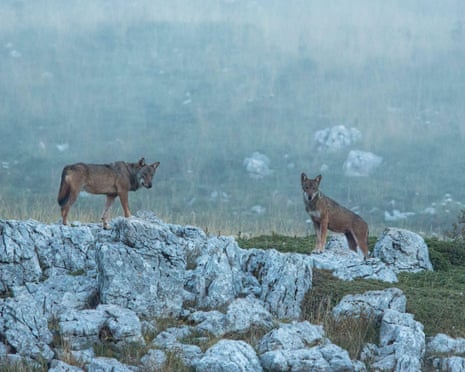
Conservation groups have characterized this discovery as the most serious wildlife crime in Italy in the past decade, underscoring the gravity of the situation. The systematic nature of the deaths, combined with their concentration within a protected area, suggests deliberate human action rather than natural causes or disease. Environmental organizations have called for swift action from law enforcement to identify and prosecute those responsible for what amounts to an attack on Italy's natural heritage.
The national park protection measures that are supposed to safeguard these wolves have clearly proven inadequate in this instance. The park, which spans three regions and represents one of the most important habitats for Italian wildlife, serves as a crucial refuge for wolves that have been slowly recovering in numbers across the Italian peninsula over recent decades. This incident threatens to reverse years of conservation progress and raises questions about the effectiveness of existing security protocols within the park.
Wolves have made a remarkable comeback in Italy and across Europe following near-extinction in the 20th century, but they remain controversial figures among some rural communities and agricultural interests. The recovery of wolf populations has sometimes led to conflict with local farmers concerned about livestock predation, though scientific evidence suggests such losses are relatively limited compared to other causes of livestock mortality.
Investigators are working to determine the specific method of poisoning and are examining potential motives for the mass killing. Whether the incident was perpetrated by a single individual or a coordinated group remains unclear at this stage of the criminal investigation. Park authorities are appealing to the public for any information that might lead to the identification of those responsible for the deaths.
The discovery has prompted renewed discussion about the need for enhanced surveillance and protection within Italy's national parks. Security experts and conservation biologists have called for increased patrols, the installation of monitoring technology, and stronger penalties for wildlife crimes to deter similar incidents in the future. The incident highlights the ongoing tension between wildlife conservation efforts and those who view apex predators like wolves as threats to their livelihoods or interests.
International conservation organizations have also expressed alarm at the incident, with many noting that Italy's wolf population, while recovering, remains vulnerable to setbacks caused by human interference. The Italian wolf population is estimated at several hundred individuals, concentrated primarily in the Apennine Mountains and Alpine regions, making any significant loss particularly concerning from a conservation perspective.
The Abruzzo, Lazio and Molise National Park is among the most biodiverse protected areas in Italy and serves as critical habitat not only for wolves but for numerous other endangered species including brown bears and lynx. The park's 502-square-kilometer expanse represents one of the last pristine wilderness areas in central Italy and plays an essential role in maintaining ecological corridors that allow wildlife to move across the fragmented Italian landscape.
As the investigation into the wolf deaths continues, park authorities have increased their presence throughout the park and are working with regional law enforcement agencies. The case has drawn international media attention and put a spotlight on the challenges facing those who work to protect Italy's natural heritage and endangered species. Wildlife authorities are urging anyone with information about suspicious activities in the park to come forward immediately.
Source: The Guardian


