
22 Buddhist Monks Arrested in Sri Lanka's Largest Airport Drug Bust

Sri Lankan police arrest 22 Buddhist monks after discovering 110kg of high-grade cannabis hidden in luggage at Colombo airport, marking the largest drug seizure at the facility.
In what authorities are describing as a shocking breach of religious trust, Sri Lankan police have arrested 22 Buddhist monks following the discovery of a massive quantity of illegal drugs at the country's busiest international airport. The customs and excise department's detection of 110 kilograms of high-grade cannabis concealed within carefully constructed false compartments in the monks' luggage represents the largest drug bust at Colombo International Airport to date, according to official statements released by the customs authority.
The incident has sent ripples through Sri Lanka's religious community, as the monks involved reportedly included predominantly junior monks in various stages of their monastic training. These individuals were returning from what was ostensibly a recreational holiday in Bangkok, Thailand, when customs officials conducting routine baggage screening detected irregularities in their luggage. The sophisticated nature of the concealment method—featuring false walls and hidden compartments specifically engineered to evade detection—suggests that this was not a spontaneous decision but rather a premeditated smuggling operation involving careful planning and preparation.
According to statements from a Sri Lanka customs spokesperson, the monks had allegedly "carried about five kilos of the narcotic concealed within false walls in their luggage." This figure represents the initial assessment, though the total quantity discovered during the comprehensive search of all 22 monks' belongings reached the substantially higher amount of 110 kilograms. The cannabis seized was identified as high-grade material, suggesting it was destined for significant distribution networks rather than personal consumption, which raises questions about potential involvement of larger criminal organizations.
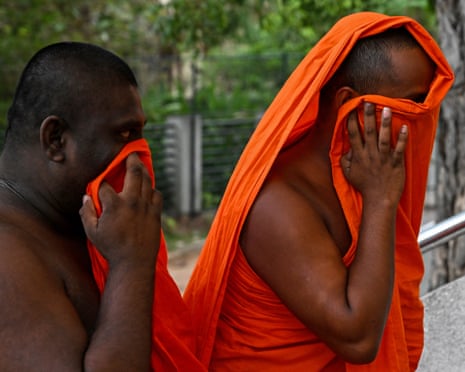
The manner in which the drugs were concealed demonstrates considerable sophistication in smuggling methodology. Customs officials discovered that the false walls constructed in the luggage had been carefully designed to withstand standard X-ray screening and physical inspection procedures. This level of technical knowledge points to potential involvement of professional smugglers who may have recruited the monks or coerced them into participating in the operation. Investigators are currently examining whether the monks were knowingly transporting the narcotics or if they were unwitting accomplices in a larger trafficking scheme orchestrated by external criminal elements.
The arrest of 22 religious figures has raised significant concerns about the vulnerability of organized religion to exploitation by criminal networks. Law enforcement agencies in Sri Lanka are currently undertaking detailed investigations to determine the full scope of this operation, including identifying any potential collaborators within the temples, airport staff, or broader supply chain networks. The fact that such a substantial quantity of controlled substances could be assembled and packed without detection by temple authorities suggests either negligence or deliberate complicity at institutional levels that authorities are keen to uncover.
Cannabis trafficking has become an increasingly significant issue in Sri Lanka and across South Asia, with Bangkok emerging as a major transshipment point for narcotics destined for markets across the Indian subcontinent and beyond. The city's strategic location, combined with relatively permissive enforcement attitudes in certain areas, has made it an attractive hub for organized drug operations. Sri Lankan authorities have ramped up their efforts to combat narcotics smuggling in recent years, implementing stricter screening procedures and enhanced intelligence-sharing arrangements with regional partners.
The Colombo International Airport customs operation that led to this breakthrough represents months of intelligence gathering and coordination between various law enforcement agencies. The detection mechanism employed by customs officials at the airport incorporates advanced imaging technology and trained detection personnel who are specifically instructed to identify the telltale signs of concealment methods commonly employed by smugglers. This bust demonstrates the effectiveness of these protocols when properly implemented and suggests that previous smuggling operations may have successfully evaded detection using less sophisticated methods or during periods of reduced enforcement vigilance.
Religious organizations in Sri Lanka are facing increased scrutiny following the arrests, with many Buddhist temples issuing statements condemning the alleged actions of the arrested monks. Senior monastics have expressed concern about the reputational damage this incident may cause to Buddhism in the country and have called for thorough investigations to determine whether institutional safeguards were bypassed or ignored. Some temples have announced internal reviews of their procedures for monitoring the activities and movements of junior monks in training, acknowledging that such incidents highlight vulnerabilities in their oversight mechanisms.
The 22 arrested monks remain in police custody while investigations continue, with authorities seeking to establish the identities of higher-level organizers and any potential connections to international drug trafficking networks. Interrogations have reportedly focused on understanding how the smuggling operation was organized, who financed the purchase of the narcotics, and where the drugs were intended to be distributed following their arrival in Sri Lanka. Prosecutors are preparing charges that are likely to include drug trafficking, customs violations, and potentially conspiracy offenses given the scale and coordination evident in the operation.
This incident serves as a stark reminder that criminal organizations exploit religious institutions and personnel to facilitate their operations, viewing monks and other clergy as potentially lower-risk couriers due to assumptions about reduced screening and public sympathy. The apparent targeting of Buddhist monks suggests that trafficking networks have developed specific strategies to leverage the respect and deference afforded to religious figures in South Asian societies. Law enforcement agencies across the region are now reassessing their approach to screening religious personnel and considering whether additional measures are warranted to prevent similar exploitation.
The broader implications of this drug bust extend beyond Sri Lanka's borders, highlighting the interconnected nature of Southeast Asian and South Asian narcotics markets. The discovery of 110 kilograms of high-grade cannabis moving through an international airport suggests that significantly larger quantities of drugs are likely transiting through the region's transportation networks undetected. Sri Lankan authorities have indicated that they intend to increase cooperation with regional partners, particularly Thailand and regional intelligence agencies, to identify and dismantle the broader trafficking infrastructure of which this operation represents merely one component.
As the investigation progresses, authorities will likely focus on tracing the origin of the drugs within Thailand and determining their intended final destination within Sri Lanka and potentially beyond. The sophisticated nature of the operation suggests connections to established trafficking organizations rather than an isolated incident. This landmark bust at Colombo airport represents a significant victory for customs and law enforcement personnel and underscores the critical importance of maintaining vigilance at international gateways where vast quantities of contraband attempt to cross borders daily.


