
274 Climbers Summit Everest in Record-Breaking Day

A record 274 mountaineers reached Mount Everest's summit from Nepal in a single day, capitalizing on ideal weather conditions after spring season delays.
In a remarkable display of mountaineering achievement, Mount Everest experienced an unprecedented surge of climbers reaching its summit in a single day, with 274 mountaineers successfully attaining the peak from the Nepalese side. This extraordinary milestone reflects both the improving conditions on the world's highest mountain and the coordinated efforts of experienced expedition teams operating in the region. The successful summit push occurred on Wednesday, when climbers capitalized on a favorable weather window that had been eagerly anticipated throughout the spring climbing season.
The spring climbing season on Mount Everest had experienced a delayed start due to significant safety concerns regarding ice fall threats on the standard tourist route that the majority of commercial expeditions utilize. These hazardous conditions, which are common during the early weeks of the climbing season, forced expedition operators to hold climbers in base camp longer than usual while conditions stabilized. Rishi Ram Bhandari, a spokesperson for the Expedition Operators Association Nepal, confirmed that the optimal weather window that emerged on Wednesday represented the ideal opportunity for the massive coordinated summit push that resulted in the record-breaking achievement.
The threat of ice fall on the normal route had been a persistent concern for weeks leading up to the actual summit attempt, as loose ice and unstable snow conditions pose severe risks to climbers traversing the upper portions of the mountain. These natural hazards are particularly dangerous on sections like the Khumbu Icefall and other technical passages that climbers must navigate to reach higher altitudes. The delayed start to the season, while frustrating for climbers and expedition companies, ultimately provided additional time for the mountain's conditions to stabilize and for snow to settle more securely.

The clear weather conditions that emerged on Wednesday represented the convergence of multiple favorable atmospheric factors that allowed such a large number of climbers to successfully reach the summit on the same day. During spring climbing season, weather windows of this magnitude can be relatively rare, making it crucial for expedition operators to recognize optimal conditions and mobilize their teams efficiently. The decision to launch the summit push was made by multiple expedition teams working in coordination, understanding that delays could mean missing the narrow window of opportunity that mountain conditions provide.
This record-breaking summit day involved climbers from numerous countries and various expedition companies operating under different permits issued by the Nepal Ministry of Tourism. The coordinated nature of the push meant that climbing teams had to carefully manage logistics, including guide assignments, supplemental oxygen distribution, and staging at camps lower on the mountain. The successful coordination between multiple expedition operators demonstrates the level of professionalism and organization that has developed in the commercial Everest climbing industry over recent decades.
The Mount Everest climbing season has become increasingly popular in recent years, with growing numbers of climbers attempting the peak annually from both the Nepalese and Tibetan sides. Commercial expedition companies have refined their operations, improved their logistics, and invested in training guides and support staff to manage the influx of climbers with varying levels of experience. This professionalization of Everest expeditions has contributed to improving success rates and safety outcomes, though the mountain remains inherently dangerous regardless of preparation level.
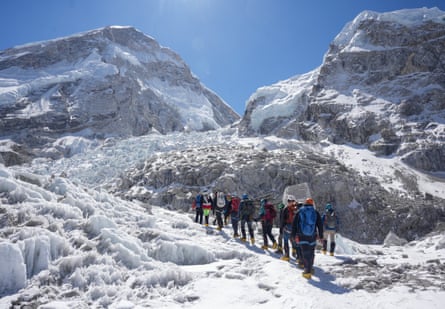
The delay in the spring season's start had concerned many climbers and expedition companies who worry about missing the brief window when weather permits safe summit attempts. The ice fall risk that necessitated the delayed start is a recurring challenge during spring climbing season, as the mountain's unstable upper slopes require careful monitoring and assessment. Weather forecasters and mountain guides work collaboratively to identify when conditions have stabilized sufficiently to allow for safe passage through dangerous sections of the climbing route.
Reaching the summit of Mount Everest represents the culmination of months of preparation, acclimatization, physical training, and mental fortitude for climbers attempting the world's highest peak. The climbers who successfully summited on Wednesday had endured weeks at altitude, working their way up through the various base camps and establishing higher camps while their bodies adjusted to the extreme conditions. The final push to the summit typically begins in the early morning hours to maximize the time climbers have to reach the peak and descend safely before darkness falls.
The Expedition Operators Association Nepal plays a crucial role in coordinating between climbing companies, the Nepalese government, and local guides to ensure that expeditions operate safely and responsibly on the mountain. The association helps establish standards for equipment, guide qualifications, and safety protocols that apply across different expedition companies. This coordination becomes particularly important during periods of high traffic on the mountain, such as the day when 274 climbers summited, when careful management of ropes, fixed lines, and climber spacing is essential for preventing accidents.

The achievement of reaching 274 summits in a single day is particularly noteworthy because it demonstrates the capacity of modern expedition operations to safely manage large numbers of climbers on the mountain. Decades ago, such a large coordinated summit push would have been impossible with the technology, infrastructure, and logistics available at that time. Today's climbers benefit from improved communication systems, refined route preparation with fixed ropes and ladders, and better weather forecasting that allows expedition leaders to identify optimal summit windows.
Local Sherpa guides from Nepal's mountain communities continue to play an essential role in the success of Mount Everest expeditions, providing invaluable expertise, altitude acclimatization, and mountaineering skills that international climbers rely upon throughout their journey. These experienced guides understand the mountain's moods and dangers intimately, having worked on Everest for years or even decades. Their contributions to the safety and success of climbers cannot be overstated, yet their work remains physically demanding and carries significant personal risk.
The record-breaking summit day serves as a reminder of both the allure and the challenges that Mount Everest presents to climbers from around the world. While modern commercial expeditions have made summiting more accessible to climbers without extensive mountaineering experience, the mountain's inherent hazards and the extreme environment above 26,000 feet mean that preparation, guidance, and respect for the mountain remain paramount. The successful coordination and safe execution of 274 summits in a single day reflects the progress that the Everest climbing community has made in managing one of the world's most challenging and prestigious mountaineering objectives.
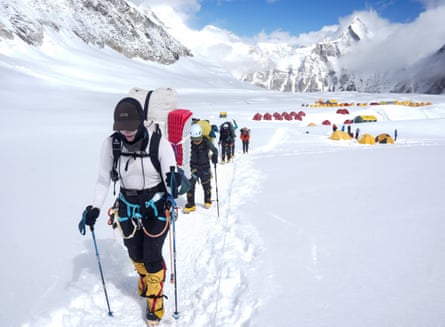
Looking forward, the success of this spring season may encourage even more climbers to pursue Everest summits in future years, continuing the trend of increasing traffic on the world's highest mountain. The Nepalese climbing season will likely see continued growth as more people worldwide gain the financial means and motivation to attempt Everest. This ongoing popularity underscores the enduring human desire to test ourselves against nature's greatest challenges and to achieve what many consider the ultimate mountaineering goal.
Source: The Guardian


