
300 Couples Marry Together in Gaza Mass Wedding

In a heartwarming moment, 300 couples exchanged vows simultaneously at a joint celebration in Gaza, selected from nearly 2,000 participants in a lottery draw.
A remarkable display of hope and celebration unfolded in Gaza as 300 couples exchanged marriage vows in a unified ceremony, marking a significant moment of joy in the region. The mass wedding celebration brought together hundreds of families and well-wishers who gathered to witness the simultaneous unions. This extraordinary event served as a beacon of optimism during challenging times, demonstrating the community's resilience and commitment to tradition and family values.
The selection process for the joint celebration was conducted through a lottery system that drew participants from a pool of nearly 2,000 hopeful couples. This transparent method of selection ensured fairness and equal opportunity for all those wishing to participate in the momentous occasion. The draw process generated considerable anticipation within the community, as couples eagerly awaited the announcement of which partnerships would be honored at this historic event. The final selection of 300 couples represented a diverse cross-section of Gaza's population.
The Gaza wedding ceremony represented far more than just a simple matrimonial event; it embodied the cultural significance and spiritual importance that marriage holds within Palestinian and Arab traditions. Weddings in this region are typically grand family affairs that celebrate not only the union of two individuals but also the connection between families and communities. By hosting such a large-scale collective wedding, organizers created a powerful symbol of unity and hope that resonated deeply with local residents and observers worldwide.
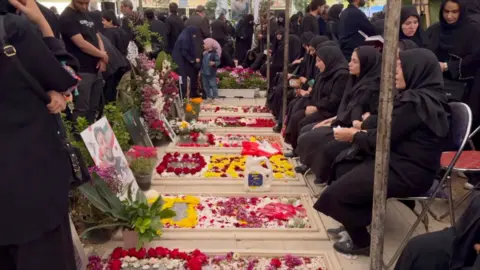
The logistics of organizing such an expansive event presented considerable challenges that required meticulous planning and coordination. Hundreds of guests, family members, and officials converged on the venue to participate in the celebrations. The ceremony itself needed to accommodate the simultaneous vows of 300 different couples while maintaining the dignity and significance of each individual union. Event organizers demonstrated remarkable efficiency in managing these complexities while ensuring that each couple felt valued and celebrated on their special day.
Community leaders and local officials played a crucial role in facilitating the Gaza mass wedding event, recognizing the importance of such gatherings for social cohesion and psychological well-being. The initiative reflected a broader effort to maintain cultural traditions and provide moments of collective joy despite prevailing circumstances. Religious leaders participated in blessing the ceremonies and offering spiritual guidance to the newlyweds. The participation of civic authorities underscored the event's significance as a community-wide endeavor rather than merely a private family affair.
The cultural and social implications of such a large-scale marriage ceremony extended beyond the immediate moment of celebration. Weddings serve as vital social institutions that strengthen community bonds and create lasting memories for generations to come. In many traditional societies, these occasions represent important life milestones and provide opportunities for families to affirm their values and commitment to continuity. The Gaza event exemplified how communities maintain these essential traditions even in the face of adversity.

The selection of 300 couples from nearly 2,000 applicants underscored the tremendous demand for such collaborative celebrations within the Gaza community. Many couples recognized the symbolic and practical benefits of participating in a joint wedding ceremony, which helped reduce individual expenses while amplifying the sense of community participation. This approach addressed both economic and social dimensions of the marriage tradition, making it more accessible to families who might struggle with the substantial costs typically associated with hosting independent wedding ceremonies.
Economic considerations were particularly relevant in Gaza, where many families face financial constraints that can complicate wedding planning. By consolidating 300 ceremonies into a single coordinated event, significant cost savings became possible for participating families. Shared venue expenses, catering, and other logistical costs were distributed among hundreds of couples, making the celebration more affordable and accessible. This financial benefit represented a tangible way that the community supported young couples beginning their married lives together.
The emotional resonance of the mass wedding in Gaza extended to observers well beyond the immediate region. International media coverage brought attention to the event, highlighting stories of hope, resilience, and cultural continuity. The ceremony served as a powerful counter-narrative to often negative portrayals of life in Gaza, demonstrating the persistence of joy, celebration, and human connection. Social media platforms filled with images and accounts of the joyous occasion, inspiring many people around the world.
The post-ceremony celebrations continued the tradition of festive gatherings that typically characterize wedding events in Palestinian culture. Music, dancing, and feasting provided opportunities for attendees to share in the joy of the newlyweds. The communal nature of the festivities strengthened social bonds and created memorable experiences that would be retold within families and communities for years to come. These celebrations affirmed the importance of marking life's significant transitions through collective recognition and support.
The 300-couple wedding event also held deeper significance in terms of family formation and demographic continuity within Gaza. The marriages represented the formal beginning of new household units and the potential for future generations. Community leaders recognized that supporting couples in establishing new families contributed to social stability and long-term community development. The encouragement and facilitation of marriage ceremonies reflected a commitment to these fundamental social processes.
Looking forward, the success of this mass wedding initiative may establish a template for future celebrations in Gaza and other communities facing similar circumstances. The innovative approach of combining hundreds of ceremonies while respecting the dignity and individuality of each couple demonstrated that large-scale coordination was both feasible and beneficial. Should similar events be organized in the future, organizers would have valuable lessons learned from this historic gathering to inform their planning and execution.
The Gaza wedding celebration ultimately represented a triumph of human spirit and cultural continuity. In bringing together 300 couples in unified matrimonial vows, the community reaffirmed its commitment to hope, family, and the persistence of joy. The event created ripples of inspiration that extended far beyond its physical location, touching hearts and reminding observers everywhere of the universal human desires for connection, celebration, and renewal. As news of the remarkable gathering spread, it served as a testament to the enduring power of community solidarity and the resilience of people in maintaining their traditions and values.
Source: BBC News


