
50,000+ German Students Plan Strike Against Rearmament

German pupils organize nationwide school boycott protesting government's military expansion policy, risking expulsion and penalties despite warnings.
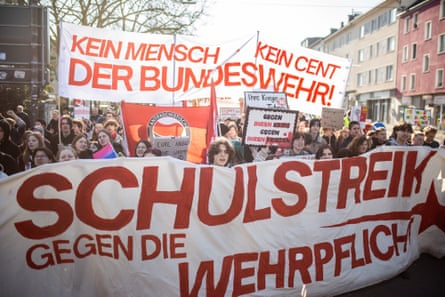
Across Germany, a groundswell of student activism is building momentum as tens of thousands of young people prepare to abandon their classrooms in protest of the government's controversial rearmament policy. Organizers of this unprecedented nationwide demonstration have made their position clear: the coordinated school strike is designed to prevent governmental policies from transforming young Germans into what they term "cannon fodder" for military conflicts.
The scale of this youth-led movement has become increasingly difficult for authorities to ignore. Organizers confidently predict that Friday's planned school strike will draw participation numbers at least as substantial as the previous two demonstrations, each of which attracted an estimated 50,000 student protesters. This consistency in turnout reflects the depth of concern among young Germans regarding their government's military spending and rearmament trajectory.
Despite significant institutional resistance and stern warnings from both teachers' associations and education ministries, student organizers remain undeterred by threats of serious consequences. Officials have explicitly cautioned that pupils participating in demonstrations during school hours could face substantial penalties, including potential expulsion from their educational institutions. Yet these warnings have failed to dampen enthusiasm among the student protest movement, which views the stakes as far too high to remain silent.

The German youth protest movement represents a significant political statement about generational concerns regarding militarization and international security policy. Young people across the country have mobilized through social media platforms and grassroots organizing to coordinate this mass action, demonstrating sophisticated organizational capacity. The movement reflects broader anxieties about Germany's shifting role in European defense and NATO responsibilities, with students arguing that their generation should have a voice in decisions affecting their futures.
Teachers' associations have found themselves in an awkward position, forced to balance their professional obligations to enforce attendance policies against sympathy for student concerns about substantive policy matters. Some educators have expressed private support for student activism while maintaining official institutional stances requiring classroom attendance. This tension reveals the complexity of managing student dissent within formal educational structures.
The rearmament policy debate at the heart of these protests touches on deeply rooted German historical consciousness and pacifist traditions. Following World War II, Germany developed a strong cultural emphasis on peace advocacy and military restraint. Recent government proposals for increased defense spending and military modernization have thus triggered passionate responses from citizens, particularly younger generations who were born after the Cold War's conclusion.
Education authorities have struggled to articulate consistent policies regarding student participation in political demonstrations during school hours. The legal and philosophical questions surrounding student free speech rights, parental authority, state education responsibilities, and political expression rights create a complex regulatory landscape. Different regional education ministries have adopted varying approaches, though all have issued formal discouragement of classroom boycotts.
Student organizers have developed compelling messaging that emphasizes the personal stakes involved in military policy decisions. By framing rearmament as a direct threat to their generation's security, economic opportunities, and moral values, young protesters have created emotional resonance that extends beyond traditional peace movement constituencies. This approach has successfully mobilized not only committed activists but also politically unengaged students concerned about their futures.
The coordination across multiple cities and states demonstrates the organizational infrastructure that student activists have constructed. Online platforms, messaging applications, and traditional word-of-mouth networks have enabled rapid communication and shared strategic planning. Organizers have provided specific guidance to participants about assembly points, safety protocols, and messaging to ensure the demonstrations remain peaceful and focused.
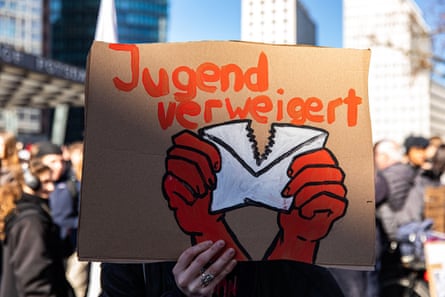
International observers have noted that the German student strike movement represents one of the most significant youth-led political mobilizations in recent European history. The scale and persistence of the protests underscore generational divides regarding security policy approaches. Whereas older voters and political leaders often emphasize NATO commitments and deterrence capabilities, younger citizens frequently prioritize diplomatic solutions and reduced military expenditures.
Parents and families have become increasingly involved in supporting student protesters, with some families choosing to excuse absences or writing letters to school administrators explaining their solidarity with the demonstrations. This family-level mobilization has amplified the social impact of the student strike movement and created additional pressure on educational institutions attempting to enforce attendance policies uniformly.
The German rearmament debate reflects broader European security concerns following geopolitical changes in Eastern Europe and shifting international relations. Government officials argue that military modernization serves essential defensive purposes and honors NATO obligations. Student protesters counter that peaceful diplomacy and investment in social needs would better serve national and international interests.

Political parties across Germany's spectrum have struggled to respond to student activism, recognizing both the legitimacy of youth concerns and the electoral importance of defense policy positions. Some left-leaning politicians have endorsed student demonstrations, while others across the political spectrum have called for dialogue between government officials and young protesters. This political complexity reflects the sensitivity surrounding military policy in German public discourse.
Educational institutions continue developing protocols for managing future demonstrations while protecting student rights and institutional authority. Some schools have announced intentions to work with student organizers to find compromise solutions, such as designated times for peaceful assembly outside school hours or organized discussions about policy issues during class. These dialogue-oriented approaches attempt to honor student activism while maintaining educational mission focus.
The persistence and scale of these student protests suggest that youth opposition to rearmament represents a deeply held conviction rather than temporary activism. Future rounds of political decision-making regarding military spending and defense policy will likely encounter continued organized student resistance. This generational mobilization may shape German political debates for years to come, as young citizens assert their stake in security and foreign policy outcomes.
Source: The Guardian


