
60+ Labour MPs Demand Starmer Set Exit Timeline

Over 60 Labour MPs call for PM Keir Starmer to establish a departure timetable, citing concerns about party leadership. Supporters of rivals Andy Burnham and Wes Streeting join the call.
In a significant show of internal dissent within the Labour Party, more than 60 MPs have publicly called on Prime Minister Keir Starmer to establish a clear timetable for his departure from office. This coordinated move represents a substantial challenge to Starmer's political authority and reflects growing concerns among party members about the direction of his leadership. The unprecedented call comes at a critical juncture for the Labour government, raising questions about party unity and the sustainability of Starmer's grip on power.
The Labour MPs demanding his resignation span diverse factions within the party, including notable supporters of potential leadership successors Andy Burnham and Wes Streeting. These MPs collectively argue that the prime minister has fundamentally failed to demonstrate the leadership qualities necessary to guide the country through the next election cycle. Their collective statement suggests a loss of confidence that extends beyond a single faction or ideological wing, indicating the breadth of discontent coursing through Labour's parliamentary ranks.
This development represents a dramatic escalation in the internal party tensions that have simmered beneath the surface of Starmer's premiership. The timing of the announcement, coming after Starmer's recent public statements in which he insisted he would prove his critics wrong and vigorously contest any formal leadership challenge, demonstrates the defiant stance he has adopted in response to mounting pressure. His determination to fight suggests he has no intention of voluntarily stepping aside, setting the stage for an intensifying power struggle within the party.
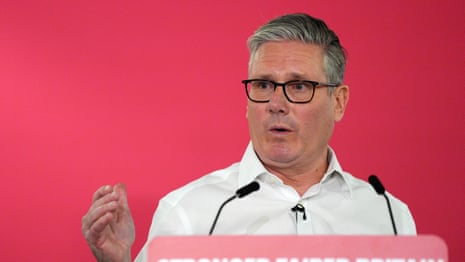
The significance of this rebellion cannot be understated, as it reflects a fundamental breach in the confidence that party members, particularly those serving as elected representatives, hold in Starmer's ability to lead Labour effectively. The call for a timetable for stepping down is strategically crafted language that allows MPs to pressure the prime minister without formally triggering a leadership contest. By framing their request around establishing a departure timeline rather than demanding immediate resignation, these MPs are attempting to maintain some semblance of party cohesion while still making their position abundantly clear.
The involvement of supporters associated with both Andy Burnham, the mayor of Greater Manchester, and Wes Streeting, the health secretary, indicates that multiple potential successors have backing among the parliamentary Labour Party. This multi-factional nature of the rebellion suggests that the discontent is not merely the work of a single ambitious politician's supporters, but rather a broader movement reflecting widespread concerns about Starmer's political viability. Such alignment among MPs typically sympathetic to different leadership contenders creates a particularly formidable challenge for any incumbent leader.
Andy Burnham has emerged as a prominent figure in recent Labour politics, having built significant political capital through his tenure as mayor of Manchester and his advocacy for regional investment. His supporters within the Labour Party view him as a potential alternative who could reconnect with working-class voters in traditional Labour strongholds. Meanwhile, Wes Streeting, as health secretary, holds a prominent position within Starmer's own cabinet, and his supporters believe his experience in government combined with his political acumen could make him an attractive successor.
The context of this rebellion is crucial for understanding its implications. Starmer's premiership has faced persistent challenges including difficult economic conditions, ongoing industrial disputes, and polling figures that have failed to demonstrate the significant lead that Labour enjoyed during its time in opposition. Public satisfaction with the government's performance has declined, and there are indications that the party's electoral prospects for the next general election may not be as favorable as once anticipated. These factors have collectively emboldened MPs to take the unprecedented step of publicly calling for a departure timeline.
The prime minister's recent public statements declaring his determination to prove doubters wrong and to fight any formal leadership challenge indicate his resolve to remain in position. Starmer appears to be banking on his ability to demonstrate improved performance before the next election, hoping that delivering tangible results on key policy priorities will restore confidence among party members. His combative stance suggests he views these calls for his departure as a challenge to be overcome rather than a signal to heed.
The structural challenge facing the Labour Party at this moment is formidable. The party finds itself governing during a difficult period, with limited public enthusiasm for government policies and ongoing criticism from both within the party and from the opposition. The emergence of this substantial rebellion among MPs indicates that the traditional mechanisms for maintaining party discipline have become strained. In the modern era, when information spreads rapidly and party members can mobilize quickly, it becomes increasingly difficult for a prime minister facing significant internal opposition to maintain authority.
The question of Labour leadership succession becomes increasingly relevant given these developments. Should Starmer decide to step aside or be forced out, the party would need to conduct a leadership election to choose his successor. The current lineup of potential candidates appears crowded, with several senior figures potentially interested in the role. The institutional mechanisms for selecting a new Labour leader involve both MPs and party members, a process that could take several months and further distract from government business during a critical period.
The implications for government functioning are significant. A prime minister facing active rebellion within his own parliamentary party typically experiences diminished authority and reduced ability to implement his legislative agenda. Coalition negotiations with backbenchers become more fraught, and policy announcements may be greeted with skepticism rather than support. The current situation threatens to undermine Starmer's ability to govern effectively, creating a potential vicious cycle wherein poor governance performance further undermines confidence in his leadership.
Political analysts have noted that the timing of this rebellion, while triggered by specific concerns about Starmer's performance, also reflects longer-term structural challenges within the Labour Party. The party has struggled to maintain internal unity across its diverse ideological spectrum, encompassing both traditional working-class constituencies and affluent metropolitan progressives. Finding a leader capable of satisfying both wings of the party while also appealing to swing voters necessary for electoral victory represents an ongoing challenge for Labour.
Looking forward, the trajectory of this conflict will depend significantly on whether Starmer can stabilize his position through improved government performance or whether the rebellion gains additional momentum. The coming weeks and months will be critical in determining whether this represents a temporary crisis from which Starmer can recover or a terminal decline in his political fortunes. The prime minister's response to these calls, and his ability to rebuild confidence among party members, will largely determine the outcome of this significant intra-party struggle for the future direction of Labour.
Source: The Guardian


